
Travel Guide · Homestays
Cao Bang Homestay Guide 2026: Villages, Food and Etiquette
In Cao Bang, a homestay usually means a night under a Tay or Nung family's roof: wooden stilt houses, old stone villages near the border and dinner around a shared tray.
A Cao Bang homestay is one of the best parts of a trip to Vietnam's far northeast. You sleep in a family home, often a wooden stilt house or a stone house that has stood for generations, eat what the family eats and wake up to mist lifting off the rice fields. It is simple, warm and very different from a hotel night, and a little preparation makes it far more comfortable.
This Cao Bang homestay guide explains what a homestay in Cao Bang is really like, where the best homestay villages are, what to expect from beds, bathrooms and dinner, and the etiquette that makes your hosts glad you came. Conditions vary from house to house and change over time, so read recent reviews or ask your host before you go.
Cao Bang homestays in brief
- Hosts: mostly Tay and Nung families, the two largest ethnic groups in the province.
- Styles: wooden stilt houses, old stone houses and newer, purpose built homestays.
- Best areas: Khuoi Ky and the Ban Gioc area, Phong Nam Valley, Truong Ha near Pac Bo, and Pac Ngoi village at Ba Be Lake.
- Comfort: simple but clean. Shared sleeping areas are common, and private rooms are increasingly easy to find.
- Money: bring cash, because many homestays do not take cards.
- On our jeep tours: homestays are booked and paid for in advance, so you just turn up for dinner.
What Is a Cao Bang Homestay?
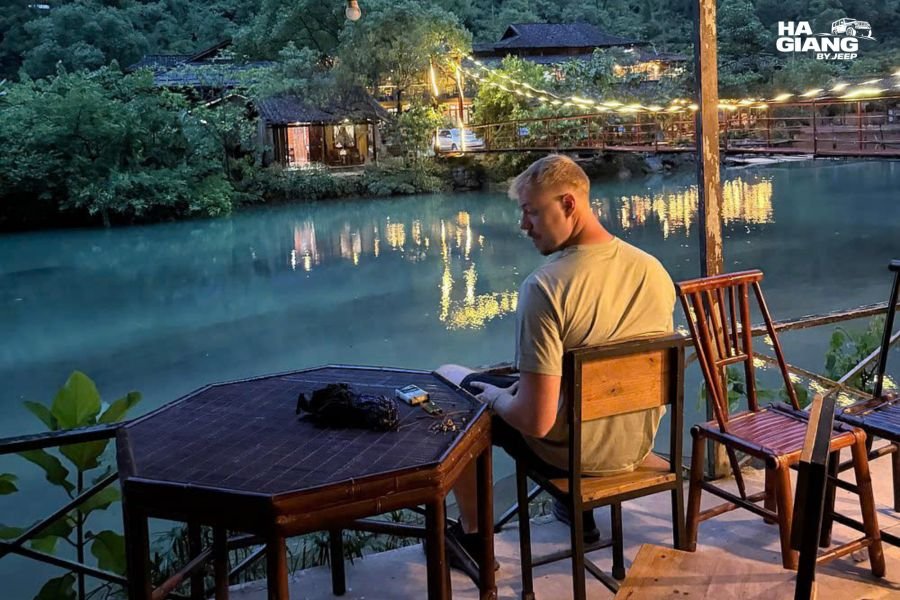
In Vietnam, a homestay can mean anything from a mattress on a family's wooden floor to a small guesthouse with private rooms and a garden. In Cao Bang, the best ones are still family homes first: the hosts live there, cook there and farm the land around it, and guests fit into that rhythm for a night or two.
Your Hosts: Tay and Nung Families
The Tay and the Nung are the largest ethnic groups in Cao Bang, and most homestays in the lowland valleys belong to them. Higher up you may also meet Hmong, Dao or Lo Lo communities. A Tay stilt house is traditionally built with the family living upstairs on a wooden floor, the hearth at the center of the home and the ancestral altar in a place of honor.
Many hosts speak little English, and that rarely matters. Smiles, gestures and a translation app go a long way, and the shared meal does most of the talking. Some families keep alive the Then tradition of ritual singing with the tinh lute, part of the Practices of Then by Tay, Nung and Thai ethnic groups recognized by UNESCO, and in a few villages you can hear it performed for guests.
Homestay, Guesthouse or Hotel?
- Traditional family homestay: you stay in the family's own house, usually in a shared sleeping area, and eat with them. The most memorable option, and the most basic.
- Purpose built homestay: a newer building in local style beside the family home, often with private rooms and private bathrooms. A good middle ground for families and older travelers.
- Hotel or guesthouse in town: private rooms and dependable hot water in Cao Bang City or Trung Khanh, with less local character.
Every Cao Bang homestay is different, so think about which of these suits you before you book. If you are still choosing between the two regions, our Ha Giang vs Cao Bang comparison sets out the differences, and our Ha Giang homestay guide covers the homestays on the loop.
Where to Find the Best Homestays in Cao Bang
Homestays are spread across the province, but most travelers stay in a handful of areas close to the main sights. Each has a different character.
| Setting | Comfort | Best for | |
|---|---|---|---|
| Khuoi Ky | Old Tay stone houses near Ban Gioc | Basic to good | Culture and photography |
| Ban Gioc entrance | Purpose built homestays by the falls | Good | Families and convenience |
| Phong Nam Valley | Stilt houses among rice fields | Basic | Quiet and early morning light |
| Truong Ha | Tay family homes near Pac Bo | Basic to good | History and village life |
| Cao Bang City | Town homestays and hotels | Good to very good | Food, comfort, easy logistics |
| Pac Ngoi, Ba Be Lake | Stilt houses on the lake shore | Basic to good | A slow final night |
Khuoi Ky Stone Village, Near Ban Gioc
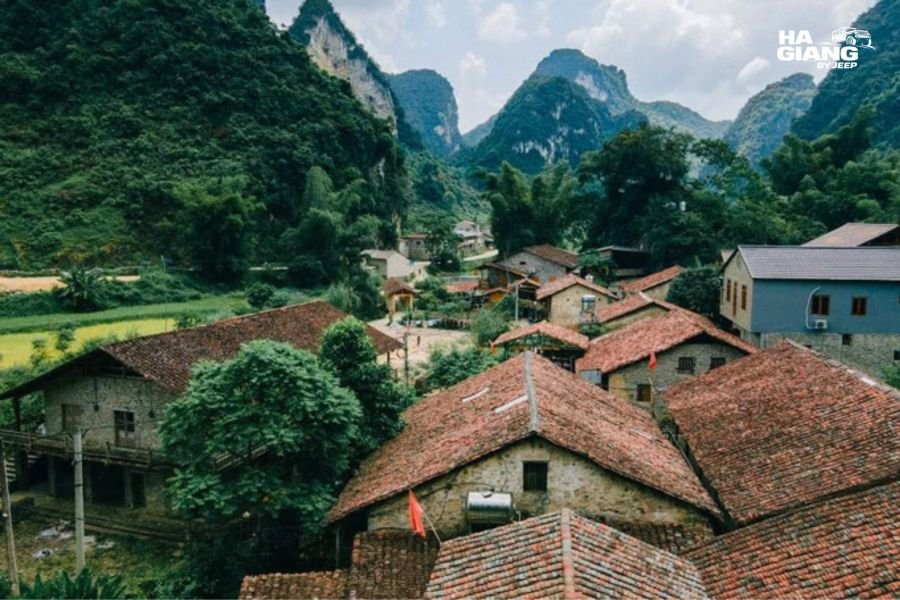
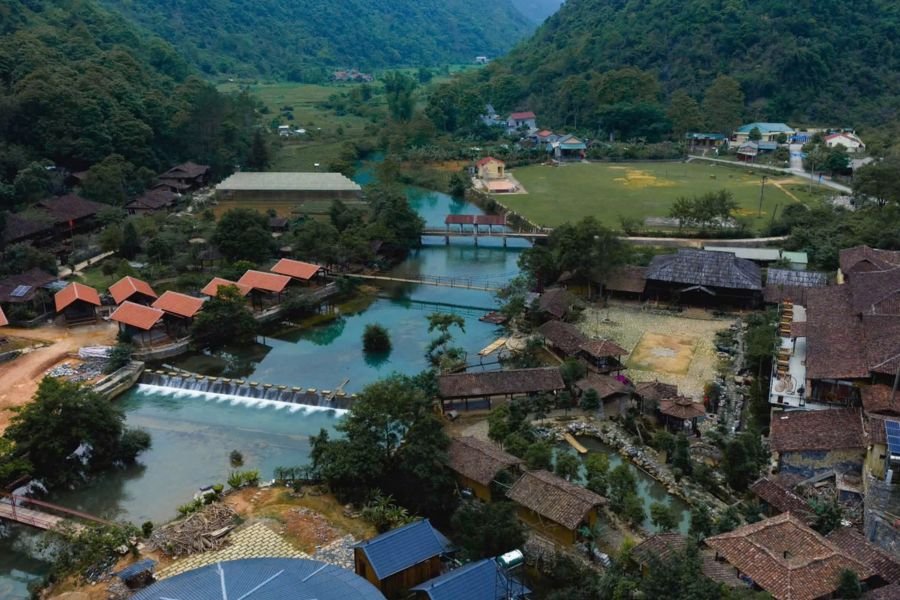
Khuoi Ky is the Cao Bang homestay village most people picture before they arrive. Tay families have lived here for centuries, and the village is said to be more than 400 years old. The houses are stone stilt houses with curved clay tile roofs, linked by cobbled lanes and stacked stone walls, a few kilometers from Ban Gioc Waterfall and close to Nguom Ngao Cave. It was officially recognized as a traditional ethnic minority cultural village in 2008.
A growing number of families take in guests, from simple rooms inside the old houses to newer homestays built in the same stone style. The thick walls keep the houses cool in summer and cold in winter, and there is no central heating, so pack warm layers for the cooler months. Ask your host about joining in with daily life: fishing in the stream, helping in the kitchen or a walk through the fields at dusk.
Homestays by the Ban Gioc Waterfall Entrance
Closer to the waterfall gate, a cluster of purpose built homestays and guesthouses offers more comfort: private rooms, modern bathrooms and, in some cases, gardens looking toward the falls. They have less character than Khuoi Ky, but they suit families, older travelers and anyone who wants to reach the waterfall early, before the day visitors arrive. A Ban Gioc homestay also puts Nguom Ngao Cave within easy reach, and our Ban Gioc Waterfall guide covers the best times to visit.
Phong Nam Valley
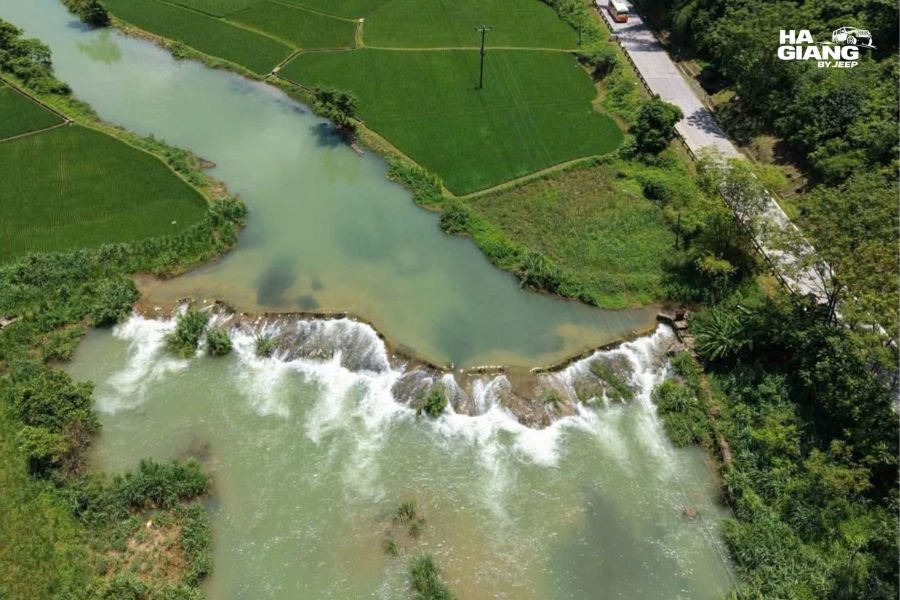
On the way to Ban Gioc, Phong Nam Valley is a quiet patchwork of rice fields and limestone peaks beside the Quay Son River, with a handful of basic stilt house homestays. Mornings here are often misty, and the light over the fields is beautiful. There are few restaurants and no ATMs nearby, so you rely on your hosts for meals and arrive with cash in your pocket.
Truong Ha, Near Pac Bo
In the north of the province, close to Pac Bo Historical Site and the Chinese border, Tay families in Truong Ha welcome guests into their homes. It makes a good base for Pac Bo and the jade green Lenin Stream, and a chance to see everyday village life well away from the busier waterfall area. Expect home cooked Tay food and, very likely, a glass of local rice wine.
Cao Bang City
The provincial capital has homestays as well as hotels, usually with private rooms and dependable hot water. It is the place to try Cao Bang's town food: rice rolls served with broth for breakfast, seven flavor roast duck, banh ap chao and sour pho. A night in the city also makes a useful reset in the middle of a longer trip.
Pac Ngoi Village at Ba Be Lake
Ba Be Lake now belongs to Thai Nguyen province, but it is where our 6 days tour finishes, so it earns a place here. In Pac Ngoi village on the lake shore, Tay families run homestays in wooden stilt houses with views over the water. Staying the night is optional after the tour, and we can book it for you.

What a Night in a Cao Bang Homestay Is Like
Arriving and Settling In
Most travelers arrive in the late afternoon. Your host will usually show you where to leave your shoes, where you will sleep and where the bathroom is, then pour you a cup of tea. In a traditional stilt house you climb a short wooden staircase to the living floor, and shoes stay at the bottom. Take a few minutes to walk around the village before dark, when smoke from the kitchen fires starts drifting over the roofs.
Sleeping Arrangements
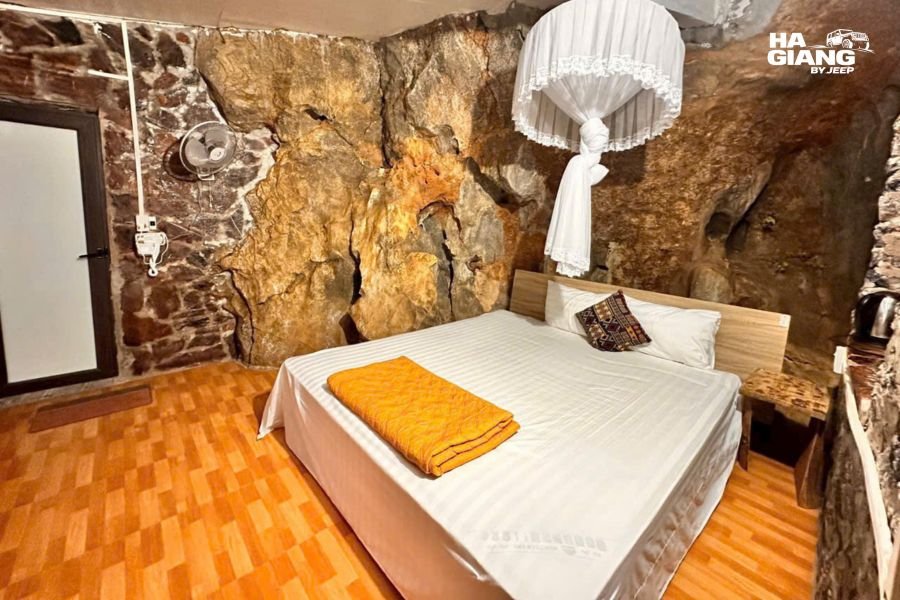
In older homestays, guests often sleep on thin mattresses on the wooden floor of the main living space, each with a mosquito net and sometimes a curtain for privacy. Newer homestays usually offer private rooms with proper beds. Blankets are provided, and in winter many hosts add thick quilts or electric blankets.
Wooden floors carry sound, and village days start early, with roosters, kitchen fires and farm work from first light. Earplugs are a good friend to light sleepers.
Bathrooms and Hot Water
Bathrooms range from shared facilities in a separate building to modern en suite rooms in purpose built homestays. Western toilets are now common, but not universal in older houses. Hot water usually comes from an electric or solar heater, and small heaters can run out when several people shower in a row, so ask how it works and shower early if you can.
Dinner With the Family
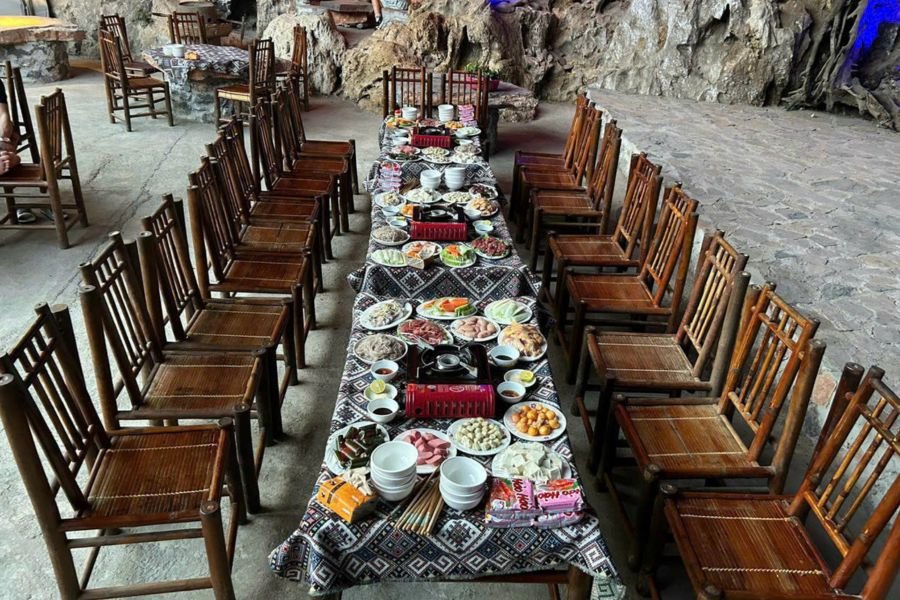
Dinner is the heart of a Cao Bang homestay. Dishes arrive on a shared tray or table and everyone helps themselves: rice, local vegetables, pork or chicken from the farm, smoked sausage and, on special occasions, khau nhuc, the Tay and Nung dish of slow cooked pork belly with taro. In autumn, look out for Trung Khanh chestnuts, roasted as a snack or cooked into a pork stew.
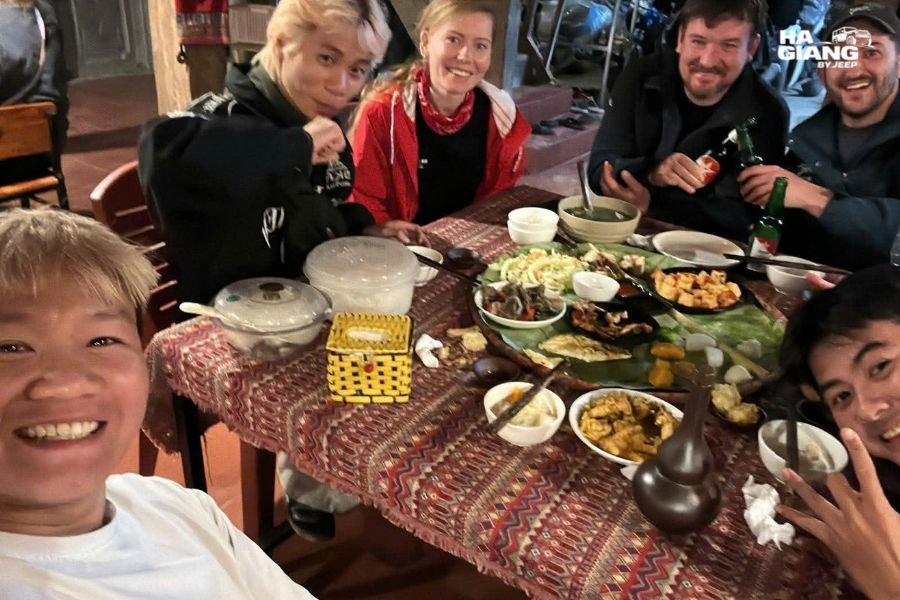
Rice wine is part of the welcome. Your host may raise a glass and invite you to drink together, and it is polite to join the first toast. After that you can sip slowly or switch to tea, and a smile with a polite no thank you is perfectly fine. If you are passing through Ha Giang first, our Ha Giang food guide covers the dishes you will meet on the loop.
Mornings in the Village
Mornings are the reward. Mist sits in the valley, buffaloes head out to the fields and breakfast appears: noodle soup, sticky rice or eggs and bread, with strong coffee or tea. If you are staying near Ban Gioc, an early start puts you at the waterfall before most visitors.
Cao Bang Homestay Etiquette
Homestay hosts are generous, and a few simple habits show that you appreciate it. None of this is complicated, and nobody expects you to get everything right.
- Shoes off. Leave them at the door or at the bottom of the stairs.
- Respect the altar and the hearth. Do not touch the ancestral altar or point your feet at it, and keep your feet off the hearth and the iron stand over the fire.
- Ask before taking photos of people, and before photographing inside the house.
- Dress modestly around the house and village, especially in front of older family members.
- Keep noise down at night. Walls are thin and the family is up early.
- Go easy on water and power. Many villages rely on small water tanks and heaters.
- Gifts are welcome but not expected. Fruit or a small souvenir from home for the family works better than sweets or money for children.
- Join in when invited: cooking, a toast or a card game with the kids. It is the best part of the night.
When to Go and When to Book
How the Seasons Change Your Stay
Each season changes the feel of a Cao Bang homestay, from cold stone walls in winter to wide open windows in summer.
- Autumn (September to November): golden rice, clearer days and Ban Gioc in good form. The busiest season for homestays near the falls.
- Winter (December to February): cold nights, especially in stone houses. Ask about heating and bring warm layers.
- Spring (March to May): milder weather, green fields and fewer visitors.
- Summer (June to August): lush valleys and the waterfall at full flow, with rain showers and humid afternoons.
For the Ha Giang half of a combined trip, our Ha Giang weather by month guide has more detail.
Booking a Cao Bang Homestay Yourself
Many of the best homestays in Khuoi Ky and Phong Nam Valley are not on the big booking sites. Hosts often take bookings through Facebook Messenger, Zalo or WhatsApp, which also gives you a sense of how much English they speak. Book ahead for autumn weekends, Vietnamese holidays and Tet, when rooms near Ban Gioc fill quickly, and confirm a day or two before you arrive.
Read recent reviews rather than old ones, because homestays change hands, renovate and add rooms all the time.
What to Pack for a Homestay Night
Packing for a Cao Bang homestay is mostly about comfort after dark. Keep these in your day bag so you are not digging through a suitcase on a wooden floor.
- Cash in small notes for your stay, drinks and small purchases
- A warm layer and socks for cool evenings, even outside winter
- Slippers or sandals for the house and the bathroom
- A headlamp or small flashlight for night trips to the bathroom
- Earplugs and an eye mask
- Your own toiletries and a quick drying towel, in case towels are thin or not provided
- Insect repellent for summer evenings
- A power bank, because sockets can be scarce
- Any medication you need, plus motion sickness tablets for the mountain roads
- A small gift for your hosts, if you like
Practical Things to Know
Cash Only, Mostly
Most Cao Bang homestay hosts take cash only, and there are no ATMs near Ban Gioc. Withdraw enough in Cao Bang City or Trung Khanh before you head out, and keep some small notes for drinks, snacks and souvenirs.
Passports, Registration and Border Areas
Your host will ask for your passport to register your stay with the local authorities, which is normal practice across Vietnam. Several homestay areas, including Khuoi Ky, the Ban Gioc area and Truong Ha, sit close to the Chinese border, and some border areas may need extra paperwork for foreign visitors. Rules can change, so check local updates before you travel independently. On our jeep tours, we take care of the permits.
Signal, Power and Dietary Needs
Mobile signal is decent in most villages but can drop in deep valleys, and WiFi, where it exists, may be slow. Power can go off for a while during storms. If you have allergies or follow a vegetarian or vegan diet, write it down in Vietnamese with a translation app and show your host on arrival, or let us pass it on before your tour. Village shopping is limited, so give as much notice as you can.
Homestays on Our Ha Giang Cao Bang Jeep Tours
How We Arrange Your Nights
On a Ha Giang Cao Bang jeep tour with us, your nights in Cao Bang are spent with local families, including a stone village near Ban Gioc, and every homestay is booked and paid for before you arrive. Accommodation is included in the tour price: the standard is a shared room, and a private room upgrade is available as an optional extra. Tell us about dietary needs when you book and we brief your hosts.
That is what the deposit is for. When you Secure Your Spot with 20%, the money prepays your homestays, your driver and the border permit paperwork, so everything is in place before you reach Ha Giang. The rest is paid in cash on arrival.
Why a Private Jeep Makes Homestay Nights Easier
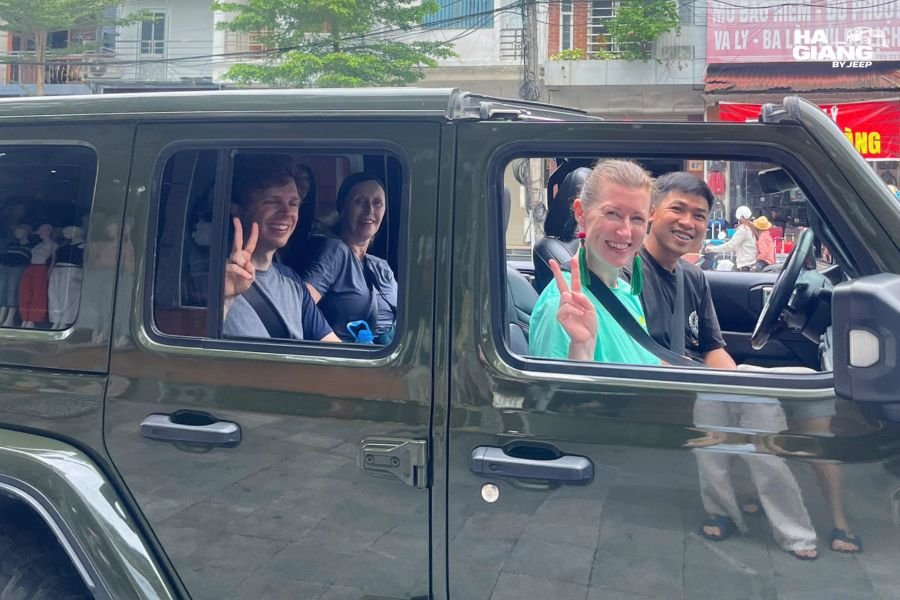
A Cao Bang homestay is rarely on the main road, and some sit at the end of narrow village lanes. Your private jeep and local driver take you to the door with your luggage, so there is no hunting for a house in the dark. Drivers often know the families, help with introductions and translate when needed, which turns a polite dinner into a real conversation.
The jeep also gives you time. You can stop at a market on the way to pick up fruit for your hosts (our Ha Giang market days guide lists the big ones), linger at a viewpoint and still arrive before dinner. The soft top and heater keep winter evenings comfortable on the road, and when the rice wine comes out at dinner, nobody in your group has to worry about driving. If the mountain roads are on your mind, our guide to whether the Ha Giang Loop is safe by jeep answers the common questions.
Which Jeep Tour Is Right for You?
Every tour includes your accommodation. The difference is how much of the north you see, and how many valleys you wake up in.
- 3 days: the core Ha Giang Loop for travelers short on time, with nights in Ha Giang homestays and small hotels. It does not reach Cao Bang.
- 4 days: the full loop at a slower pace, with more villages and an extra night on the plateau.
- 5 days: the loop plus Cao Bang, with homestay nights in Cao Bang and a stone village close to Ban Gioc Waterfall. The natural choice for this guide.
- 6 days: everything in the 5 days tour, a night in Cao Bang City, then Phia Oac and Ba Be Lake, with the option of a final night in Pac Ngoi.
- Jeep rental: for confident drivers who want to plan their own homestay stops in a Jeep Wrangler Rubicon. Check license requirements with us before booking, as rules can change.
3 Days Loop
The core loop: Quan Ba, Dong Van and Ma Pi Leng, then back to Ha Giang City.
From 17,490,000 VND
View Tour4 Days Loop
The full loop at an unhurried pace, with more villages, markets and time on the plateau.
From 21,490,000 VND
View Tour5 Days Combo
The loop, then Cao Bang homestay nights and Ban Gioc Waterfall. Finishes in Cao Bang City.
From 32,990,000 VND
View Tour6 Days Combo
Everything in the 5 days, plus Ba Be Lake, with an optional night at Pac Ngoi.
From 37,990,000 VND
View TourPrices are for the whole private jeep, not per person, and depend on group size from 1 to 4 travelers. They include VAT and exclude bus tickets and private room upgrades.
Prefer to drive yourself? The Jeep Wrangler Rubicon rental is available by the day from Ha Giang City. Not sure which tour fits? Send us a message with your dates and we will help you choose.
Cao Bang Homestay: Frequently Asked Questions
Usually a night in a Tay or Nung family home, often a wooden stilt house or an old stone house. You eat dinner with the family, sleep in a simple room or shared space and wake up in the middle of village life. Newer homestays add private rooms and modern bathrooms.
They are simple rather than luxurious. Expect clean bedding, mosquito nets and shared or private bathrooms, with hot water that can run short. Purpose built homestays near Ban Gioc and in Cao Bang City are the most comfortable.
Many do, especially the newer ones, while traditional houses often use a shared sleeping area. On our jeep tours, the standard is a shared room and a private room upgrade is available as an optional extra.
Khuoi Ky stone village is the most atmospheric, homestays by the waterfall entrance are the most convenient, and Phong Nam Valley is the quietest. All three put you close enough for an early visit to the falls.
Yes, especially in autumn, on weekends and around Vietnamese holidays and Tet, when homestays near Ban Gioc fill quickly. Many hosts take bookings through Facebook, Zalo or WhatsApp rather than booking sites.
Usually not. Most homestays take cash only, and there are no ATMs near Ban Gioc, so withdraw enough in Cao Bang City or Trung Khanh first.
Yes. Your host will register your stay with the local authorities, which is normal across Vietnam. Some homestay areas are close to the Chinese border and rules can change, so check local updates or travel with an operator who handles the permits.
Yes, as long as your host knows in advance. Village shopping is limited, so give notice when you book and carry a written note in Vietnamese about any allergies.
It is welcome but not expected. Fruit from a market on the way or a small souvenir from home works well. Avoid giving sweets or money to children.
Yes. All our tours include accommodation, booked and prepaid before you arrive. The 5 days and 6 days tours include homestay nights in Cao Bang, near Ban Gioc Waterfall. Contact us if you would like a private room upgrade.
Yes, with the right choice of house. Purpose built homestays with private rooms and bathrooms suit families and older travelers best, and a private jeep that drops you at the door makes arriving easy.
Sleep Where the Valleys Wake Up
A night in a Cao Bang homestay is often the part of the trip people remember most: the dinner tray, the toast, the mist outside the window in the morning. Our 5 days and 6 days jeep tours build those nights into the route, with the comfort of your own private jeep between them.
Secure Your Spot with a 20% deposit. It prepays your homestays, your driver and the border permit paperwork, so everything is ready before you reach Ha Giang. The rest is paid in cash on arrival.
Prefer email? Write to booking@hagiangbyjeep.com.