
What to Expect in a Ha Giang Homestay: Complete Guide
Ha Giang homestays offer authentic mountain hospitality, family meals, and genuine cultural exchange—but comfort standards differ from Western hotels. This guide covers what to realistically expect: cold mountain nights, traditional food, host family interactions, and how to prepare mentally and physically for a genuine homestay experience across the Loop.
Quick Navigation
Ready to Experience Authentic Ha Giang?
Homestays are the heart of the Ha Giang Loop experience. Yes, nights are cold and showers are quick, but the memories—sitting with families, eating fresh-cooked meals, genuine human connection—last a lifetime. Our 4-day jeep tour balances comfort with authenticity.
Book Your 4-Day TourWhat is a Ha Giang Homestay?
A Ha Giang homestay is not a hotel, guesthouse, or resort. It's a room (or rooms) in a local family's actual home, typically in mountain villages like Dong Van, Meo Vac, Du Gia, or Yen Minh. The family lives under the same roof—sometimes on the same floor—and you eat together, interact daily, and experience their way of life firsthand.
Most Ha Giang homestays operate as a side income for families who farm, raise livestock, or work in local trades. The hospitality is genuine but humble: you're a guest in someone's home, not a customer in a commercial hotel. This distinction shapes everything about the experience.
These homestays are typically arranged through your jeep tour operator. When you book a 3, 4, 5, or 6-day private jeep tour, homestays are included in the itinerary. They're not optional luxury—they're the heart of the Ha Giang Loop experience.
Why Stay in a Homestay Instead of a Hotel?
Three reasons travelers choose homestays in Ha Giang:
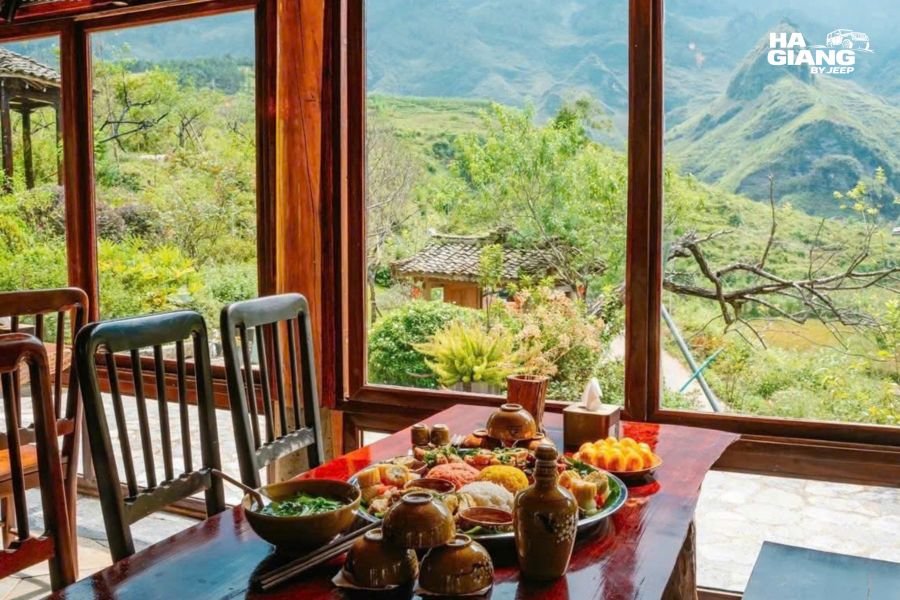
Authenticity. Hotels are the same globally. A homestay is unique to one family, one village, one mountain season. You'll eat what the family eats, meet their kids, hear their stories, and see how life actually works in these remote communities.
Sustainability. Your money goes directly to a farming family, not a corporation. This matters in rural Vietnam, where tourism income genuinely changes livelihoods.
Access. Some of the most rewarding homestays are in villages with zero hotels: Du Gia (corn terraces), Yen Minh (limestone karst), Sung La (ethnic minority crafts). A jeep tour includes access; independent travelers would struggle to find these places.
That said, homestays require flexibility and patience. Cold nights, basic plumbing, limited WiFi, and communal meals aren't everyone's idea of comfort. If you prefer privacy, air-conditioning, and predictable amenities, a hotel-based jeep tour exists but is less common (and often more expensive).
What to Expect on Arrival Day
Your Welcome & First Impression
You'll arrive mid-afternoon (typically 3–5 PM). The host family will greet you warmly but simply. Expect no English from most hosts, though many can communicate basic words. Your jeep driver acts as translator and bridge. You'll be shown your room immediately; no check-in desk, no paperwork—just a key and a gesture to follow.
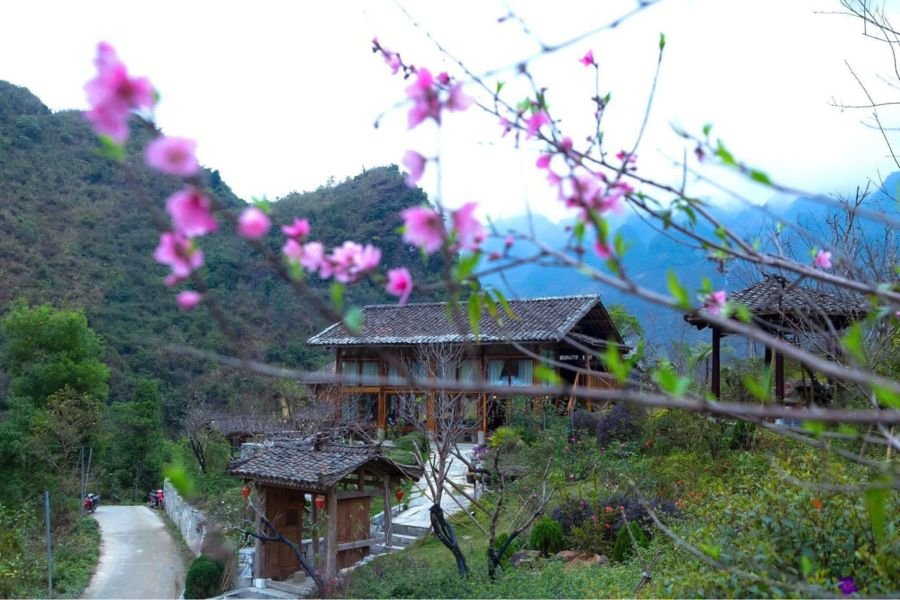
The homestay itself will look modest: a 2–3-story concrete or wood structure, family areas downstairs (kitchen, living space), guest rooms upstairs or on a separate wing. Decorations are minimal. The cleanliness level is "lived-in clean"—tidy, swept, but not pristine.
Room Setup & Amenities
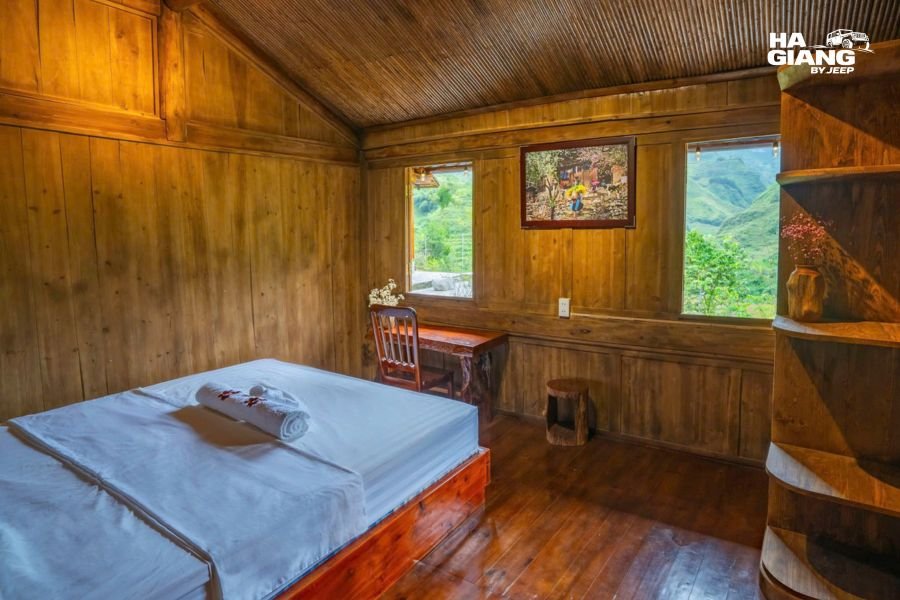
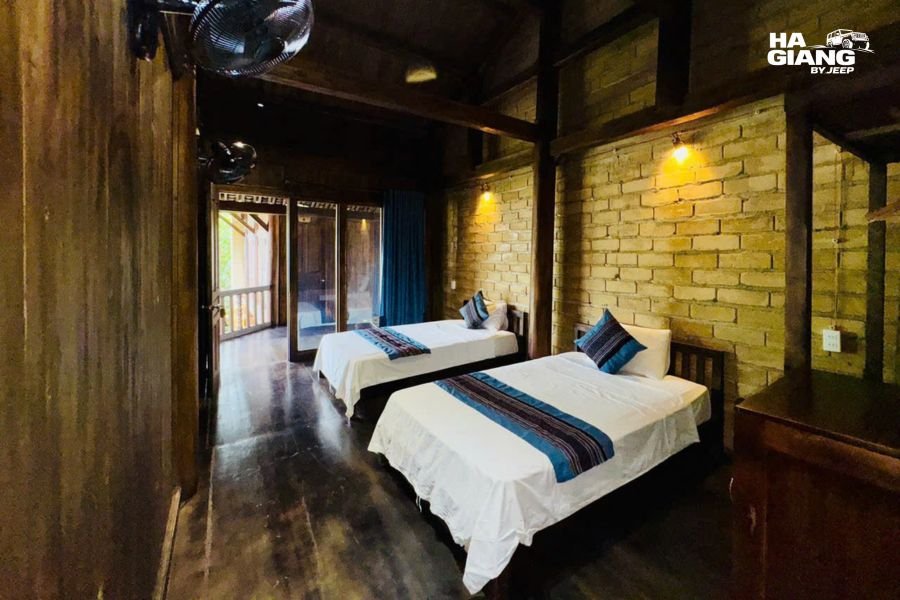
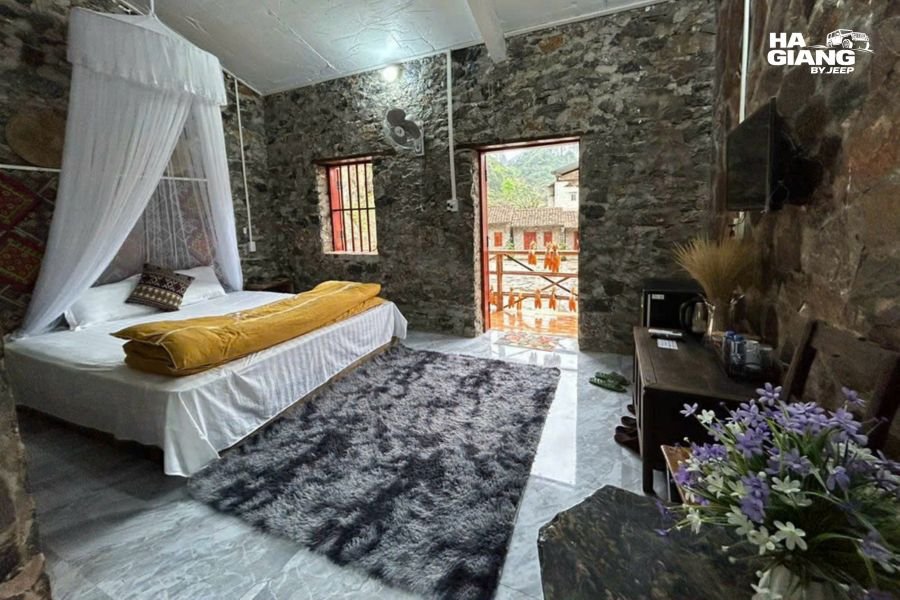
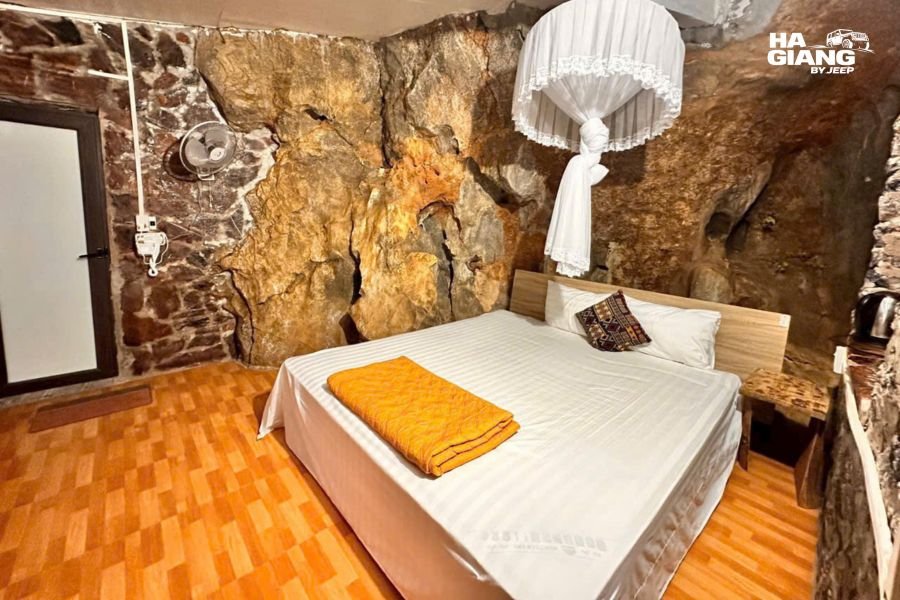
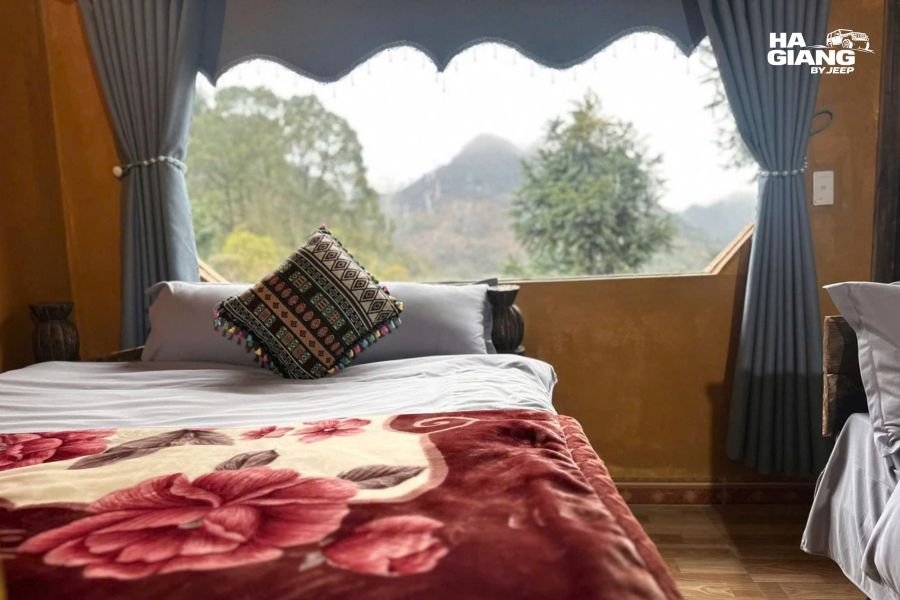
Size: Small to medium. Most rooms fit a double bed or two single beds, a small table, maybe a chair. No sofa. Windows are common; views of mountains, gardens, or neighboring houses.
Beds: Firm mattresses (sometimes very firm by Western standards), cotton or polyester sheets, several pillows and blankets. Expect the room to feel sparse compared to a hotel.
Electricity: Available 24/7 in most homestays now, though power can flicker during storms. Outlets are typically 2-pin or 3-pin (bring a universal adapter).
Heating: Critical in winter. See the "Comfort Expectations" section below.
Bathroom & Shower Situation
This is the #1 source of surprise for Western travelers.
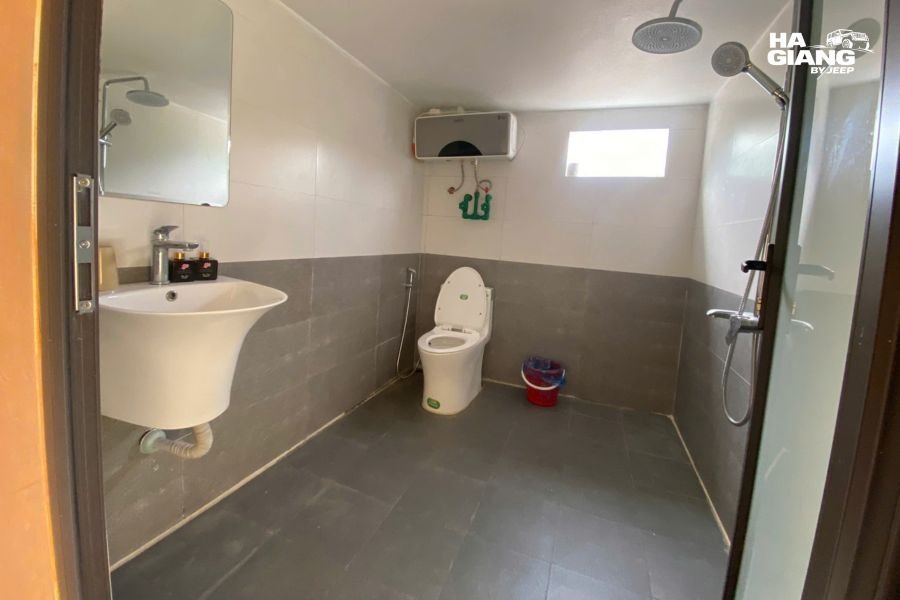
Layout: Most homestays have a squat toilet and a cold-water shower stall (or sink/bucket system in very remote places). Western-style sit toilets are becoming common in homestays on main roads but rare in isolated villages.
Hot water: This is inconsistent. Mid-range homestays (Dong Van, Meo Vac) often have electric shower heaters (instant, sometimes temperamental). Remote homestays (Du Gia, Pho Bang) may have no hot water, or a tank heated during the day for evening showers. Winter mornings are brutal—water comes from mountain springs and is literally cold.
Water pressure: Low. Showers are gentle trickles, not powerful jets. This is normal.
Cleanliness: The bathroom is clean but basic. No fancy soap, shampoo, or toiletries. Bring your own.
Privacy: Doors lock. No surprise entries.
Timing: Ask your host (through your driver) when hot water is available. Typically 6–8 PM in homestays with tanks. Instant heaters work anytime but are slow to warm.
Daily Life in a Ha Giang Homestay
Breakfast Ritual (What's Served)
You'll eat breakfast at 6:30–7:00 AM, before your jeep departs for the day. The meal is simple and always includes:
- Sticky rice or regular rice (com lam if you're in summer, when bamboo rice is prepared)
- Vegetables: Boiled greens, pickled vegetables, or fresh herbs from the garden
- Protein: Eggs, dried fish, salted meat, or tofu
- Tea or instant coffee
- Fruit: Seasonal (bananas, papaya, orange)
No bacon, pastries, or cereal. This is a genuine working family's breakfast—hearty, simple, designed to fuel a day of farm labor. Portion sizes are generous. The family eats with you. Don't refuse food or it can offend; take a little of everything.
Dietary notes: If you're vegetarian, mention it to your driver before arrival. Most families can accommodate easily (rice, vegetables, eggs, tofu). If you have allergies, write them down—verbal explanations get lost in translation.
Interactions with Host Families
Expect curiosity. You're an unusual presence—a foreigner sleeping in their home. Kids will stare. Adults will ask basic questions through your driver: Where are you from? Do you have children? Why do you travel alone?
The tone is friendly but reserved. Most families aren't seeking deep friendships; they're running a homestay as a side business. That said, genuine connection often happens. You might help the kids with English homework, share photos from your phone, or sit in the kitchen while the mom prepares dinner.
Evenings are low-key. TV is sometimes on (Vietnamese news or local channels). Internet is available but slow. Your driver may sit with you; the family may drift to their own spaces. There's no expectation to socialize all night.
Evening Activities & Communal Time
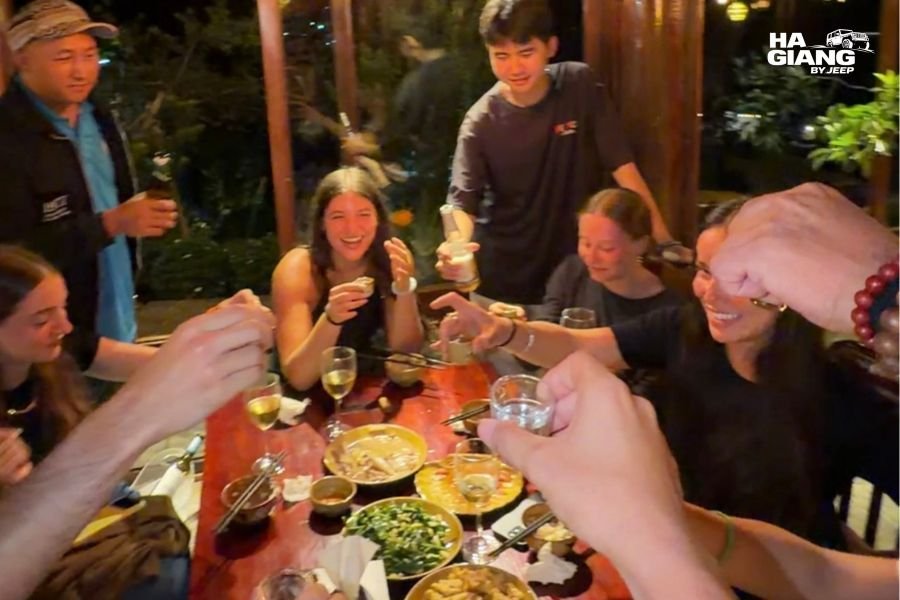
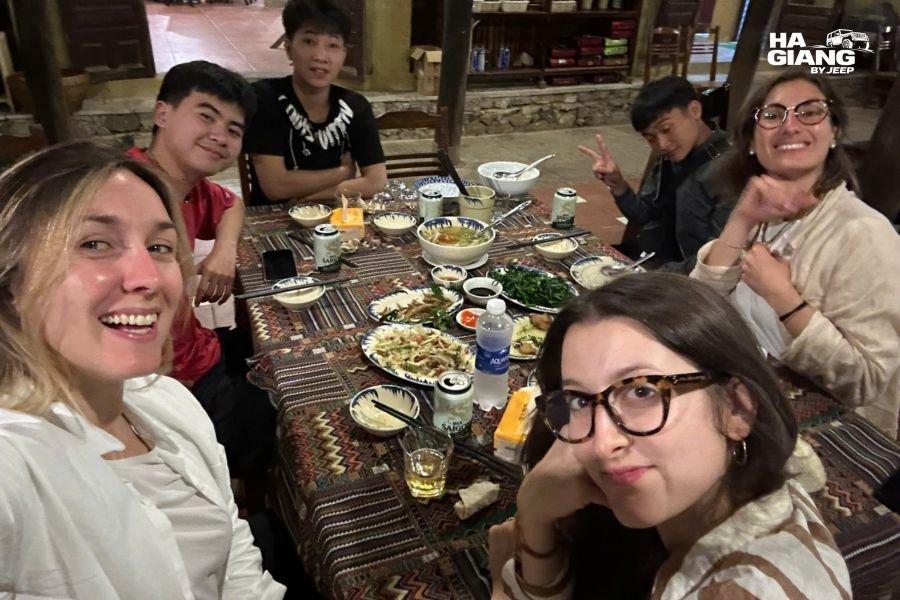
Dinner is 6–7 PM, eaten as a group. Same format as breakfast: rice, vegetables, protein, sometimes a simple soup. After dinner, most homestays are quiet. Families go to bed early (8–9 PM), especially in winter when darkness comes fast.
Your options: sit with the family, explore the village on foot, read on the porch, or head to your room. Many travelers take evening walks through the village, watch the sunset, or photograph the landscape. This is your time—no structured activities.
Internet: Most homestays now have WiFi, but speeds are slow (2–5 Mbps). Don't expect to stream video or upload large photos easily. It's fine for messaging and email.
Electricity & charging: Safe to charge phones, cameras, and power banks. Bring your adapter.
Homestay Locations Across the Loop
Dong Van Homestays (High-Altitude, Most Developed)
Elevation: ~1,000–1,200 meters
Vibe: Most polished homestays on the Loop. Many have private ensuite bathrooms, hot water heaters, and some English spoken by younger family members.
Weather: Cold (8–15°C in winter), misty mornings, stunning sunrise views.
Food: Traditional corn rice, mushroom soups, local herbs. Vegetarian-friendly.
Tourist infrastructure: Dong Van Old Quarter nearby, Sunday Market, restaurants, and shops within walking distance.
Best for: First-time homestay travelers, comfort-conscious visitors, families with kids.
Meo Vac Homestays (Authentic, Remote)
Elevation: ~1,100 meters
Vibe: More remote and less polished than Dong Van. Fewer English speakers. Bathrooms often shared; hot water less reliable.
Weather: Extreme cold in winter (can drop below freezing at night). Morning fog is heavy.
Food: Heavy on corn and cassava; fewer vegetable options than Dong Van.
Tourist infrastructure: Limited. A few small restaurants, no major shops. Feels genuinely isolated.
Best for: Adventurous travelers, photographers seeking solitude, culture-seeking couples.
Other Village Homestays (Du Gia, Yen Minh, Pho Bang)
Du Gia (Terraces & Traditional Culture) - Smallest villages on Loop. No hot water. Basic facilities. Highly authentic. Best for: Hardcore adventurers, photographers, cultural immersion.
Yen Minh (Karst & Tay Ethnic Community) - Middle ground between Dong Van and Du Gia. Some hot water. Good food. Best for: Balanced experience of comfort and authenticity.
Pho Bang (Hiking Base) - Good starting point for trekking. Basic but adequate facilities. Best for: Nature lovers, hikers, solo adventurers.
Comfort Expectations: What's Real, What's Not
This section separates fact from Hollywood fantasy.
Cold Nights (The #1 Reality Check)
The truth: Ha Giang mountains get cold. From November to February, nighttime temps drop to 5–10°C (42–50°F). At higher elevations, below freezing is possible.
Your room won't have: Central heating. Air conditioning. Radiators. Heat lamps.
Your room will have: Several blankets, a thick comforter, sometimes a small electric heater (in mid-range homestays).
Reality: You will sleep cold unless you pack strategically. The bed itself is warm, but the room air is cold. Exposed skin (face, hands) feels it.
How to prepare: Bring thermal base layers, a warm fleece, thick socks, and a warm hat you can wear to bed. Many travelers underestimate winter Ha Giang and regret it.
Pro tip: Ask your driver to confirm heating on arrival day. If your homestay has no heater and you're cold-sensitive, request an extra blanket or ask to move.
Hot Water & Showers
Dong Van & Meo Vac homestays: Most have electric shower heaters. Water gets warm (not hot) within 30 seconds to 1 minute. Good enough for a wash.
Remote villages: No heaters. Showers happen from buckets or low-pressure showerheads using cold groundwater. Winter showers are very cold.
Solution: Shower quickly in the afternoon when you return, or ask the family when hot water is available (usually 6–8 PM from tank heaters).
Alternative: Some travelers skip showers in remote homestays and use baby wipes or a bucket wash instead. Not ideal, but honest.
WiFi & Connectivity
Availability: 95% of homestays have WiFi now. It works.
Speed: Slow. Expect 2–5 Mbps download. Streaming video doesn't work. Messaging apps are fine. Email loads slowly.
Reliability: Connection drops occasionally. Not guaranteed 24/7.
Workaround: Download maps offline before your trip. Message family using WhatsApp during the day (when you're at homestay), not at 2 AM expecting instant replies.
Cleanliness Standards
The truth: Homestays are clean but not sterile. Floors are swept; bathrooms are scrubbed. But you'll see dust in corners, spider webs in alcoves, and the general patina of a lived-in home.
What's normal: Loose hairs in the bathroom, faded paint on walls, older furniture, basic soap residue in the shower.
What's not normal: Visibly dirty sheets, moldy bathrooms, garbage in your room. If that happens, tell your driver immediately.
Bed bug risk: Extremely low in homestays on the main Loop (Dong Van, Meo Vac). Possible but not common. Pack a travel-sized bug spray if you're paranoid; most travelers never encounter issues.
Food & Dietary Needs
Traditional Meals You'll Encounter
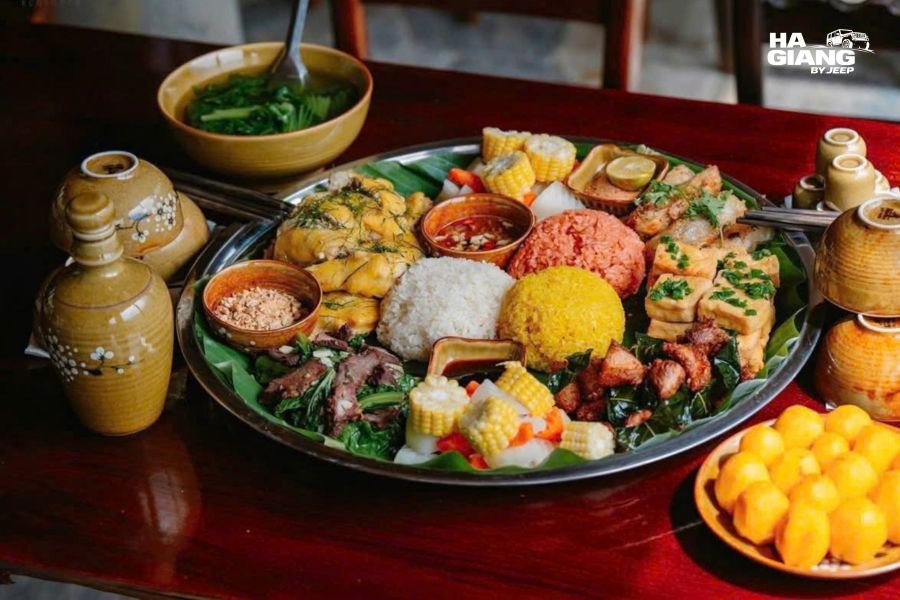
Com lam (Bamboo Rice). Sticky rice steamed in bamboo tubes. Served in summer and early fall. Mild, slightly sweet flavor. You'll love it or find it unusual.
Corn Rice. Ground corn mixed with sticky rice. Dense, filling, earthy. A staple in high-altitude villages.
Banh Cuon Trung (Egg Rolls). Thin rice paper wrapped around eggs, pork, and herbs. Dipped in fish sauce. Delicious and very local.
Chao Tau Tau (Cram Soup). A brothy soup with whatever protein the family has on hand. Warming and comforting.
Ruou Ngo (Corn Wine). Homemade rice wine fermented with corn. Strong (20%+ alcohol). Offered at dinners; politely declining is fine.
Foraged Greens. The family's garden provides vegetables picked that morning. These are exceptional—fresh, bitter greens, herbs, wild spinach.
Dried or Salted Fish. Umami-packed side dish. Acquired taste but nutritious.
Vegetarian & Allergies
Vegetarian: Tell your driver before arrival. Most families easily adjust: more vegetables, eggs, tofu, beans. You won't go hungry.
Vegan: More challenging. Eggs and dairy appear in most meals. Possible, but requires clear communication and flexibility.
Allergies: Peanuts, shellfish, and soy appear in various dishes. Write your allergies on paper (English + basic translation) and show your driver. Don't assume verbal explanations will stick.
Picky eaters: Ha Giang isn't the place to be picky. Food is simple and repetitive. If you eat only chicken, white rice, and pasta, you'll struggle. Try everything. You might surprise yourself.
Drinking Water Safety
Tap water: Not drinkable directly. Use it to brush teeth, but don't drink it.
Homestay water: Families filter or boil their own. Safe for guests. Ask if unsure.
Bottled water: Available at homestays. Free or very cheap.
Hydration: Critical on jeep driving days. Carry a refillable bottle and drink throughout the day.
Cultural Tips & Respectful Behavior
Remove shoes indoors. Most homestays have a shoe rack by the door. Follow the family's lead; if they remove shoes, you do too.
Ask before photographing family members. Particularly kids. Use gestures and smiles; don't snap photos without permission.
Respect mealtime. Eat at family's pace. Don't rush or skip meals (it's seen as rude). Finish most of what's on your plate or the host feels they didn't provide enough.
Quiet hours. Families go to bed early. Keep noise down after 9 PM. Showers should be during daylight or early evening.
Gifts. Not necessary, but appreciated. Bring small items from your home country (chocolate, tea, small craft items). Avoid expensive gifts—it creates awkwardness.
Language. Learn basic greetings: "Xin chào" (hello), "Cảm ơn" (thank you), "Tạm biệt" (goodbye). Show effort. Locals appreciate it.
Bathroom etiquette. Squat toilets: stand over the bowl; use the water bucket for flushing if needed. Paper goes in a small bin, not the toilet. Wet floors are normal.
Respect privacy. You're in someone's home. Don't wander into family-only areas or pry into personal spaces.
Which Jeep Tour is Right for You?
Your homestay experience depends on which tour you book. Here's the breakdown:
3-Day Ha Giang Loop Jeep Tour
Homestays: Typically Dong Van (night 1) + one other village (night 2).
Comfort level: Higher. Dong Van homestays are the most developed.
Pace: Fast. You're rushing to see the Loop.
Best for: Short-on-time travelers, first-time homestay visitors, comfort-prioritizers.
Drawback: Limited time for deep family interactions.
4-Day Ha Giang Loop Jeep Tour
Homestays: Typically Dong Van (night 1) + Meo Vac or Du Gia (nights 2–3).
Comfort level: Mixed. One polished, one remote.
Pace: Relaxed. You'll spend 1.5 days in each homestay.
Best for: Balanced experience seekers, photographers, families with older kids.
Advantage: Time to settle in and genuinely connect with families.
5-Day Ha Giang–Cao Bang Jeep Tour
Homestays: Ha Giang Loop (nights 1–3) + Cao Bang (nights 4–5).
Comfort level: Variable. Mix of Dong Van comfort and remote village authenticity.
Pace: Leisurely.
Best for: Extended adventures, photographers, cultural immersion seekers.
Bonus: See Cao Bang's highlights (Ban Gioc Waterfall, Pac Po) plus Ha Giang.
5-day Ha Giang–Cao Bang Jeep Tour
6-Day Ha Giang–Cao Bang Jeep Tour
Homestays: Ha Giang Loop (nights 1–3) + Cao Bang (nights 4–6).
Comfort level: Highest among long tours. More time to adjust.
Pace: Very relaxed.
Best for: Luxury-oriented adventurers, families, photographers wanting multiple locations.
6-day Ha Giang–Cao Bang Jeep Tour
Private Jeep Rental
Your choice. You select homestays, timing, and pace.
Best for: Experienced travelers, photographers, those wanting total control.
Note: You'll still stay in homestays (that's where food and accommodation are); you're just driving yourself.
Frequently Asked Questions
Most homestays now have sit toilets. Dong Van and Meo Vac homestays: sit toilets are standard. Remote villages (Du Gia): squat toilets are common. If you're uncomfortable with squat toilets, book a 4-day tour with confirmed sit-toilet homestays. Your driver can confirm on arrival day.
Probably not, if you're prepared. Bring thermal base layers, thick socks, and wear them to bed. Use all provided blankets. A hot drink before bed helps. If you run cold, mention it to your driver—they can request extra blankets or a small heater. Homestays are used to this.
No. Water pressure is low, and hot water is limited. Showers should be 5–10 minutes max. This is normal for rural Vietnam. Embrace it as part of the experience.
Tell your driver before arrival. Homestay families easily adjust: rice, vegetables, eggs, tofu. You won't go hungry. You may eat similarly every meal, but meals are plentiful.
Yes. Homestay families cook for themselves and their kids. They're not poisoning themselves. Food hygiene is basic but safe. If you have a sensitive stomach, bring probiotics or anti-diarrheal medication (common in Vietnam travel, not specific to homestays).
Tell your driver immediately. Issues are rare (most homestays are welcoming), but if the bathroom is unusable or the host is unwelcoming, your driver will arrange an alternative. This rarely happens, but know it's an option.
Not mandatory, but appreciated. $2–5 USD per night is respectful. Leave it on the pillow or give it to your driver to pass along. Some travelers give gifts instead (tea, small craft items).
Sometimes. Talk to your driver. If the family has space and no other guests, they may agree. Expect to pay $15–25 USD per night (room only; food extra). This is negotiated on the spot, not standard.
Very likely at remote homestays. Download offline maps, messages, and content before your trip. Don't rely on internet for navigation or emergency contact. Your driver has a phone with local SIM; use that if urgent.
Possibly. Popular homestays (Dong Van, Yen Minh) may have multiple guest rooms. You might have 3–5 other travelers sharing common areas. Homestays don't combine unrelated groups into shared rooms; you get your own space. Some homestays are quieter, some busier—your driver will know.
Book Your Ha Giang Homestay Adventure Today
Homestays aren't for everyone, but those who embrace cold nights and simple meals leave as changed people. The connections you make—eating breakfast cooked by hand, sleeping under stars from a mountain room, laughing with families despite language barriers—these memories become your most treasured.
4-Day Jeep Tour (Best Value) Secure Your Spot NowPack warm, pack patience, and pack an open heart. The homestays are waiting.