
Ha Giang vs Sapa: An Honest Comparison
Ha Giang vs Sapa gets compared constantly, and most comparisons are written by someone who only sells one of them.
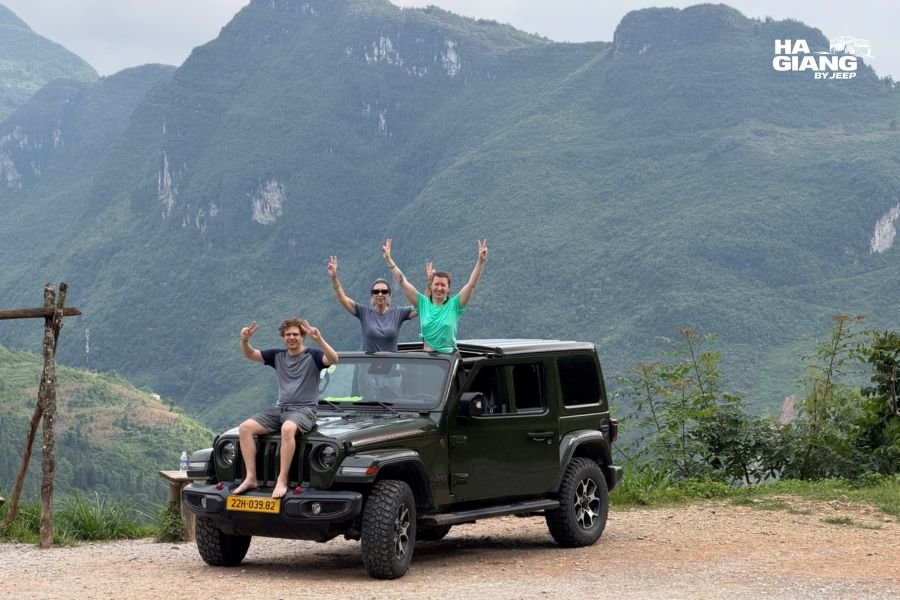
We sell one of them. So here is the useful version: a comparison that tells you plainly when Sapa is the better choice, because for a good number of travelers it genuinely is.
Both are northern mountain regions. Both are home to Hmong, Dao and other highland communities. Both have terraces, markets, homestays and cloud in the valleys at dawn. The differences are in access, in development, and above all in how you experience the landscape: on foot, or on a road.
The Short Answer
Choose Sapa if you have two or three days, want to walk rather than travel, prefer easy access from Hanoi, or want hotel comfort with a view at the end of each day.
Choose Ha Giang if you have three days or more, want remoteness and scale, prefer the journey itself to be the experience, or want a region where tourism has not reshaped the towns.
If someone tells you one is simply better than the other, they are selling something. The Ha Giang vs Sapa question only resolves once you know what kind of trip you actually want.
Sapa is a place you walk into. Ha Giang is a place you travel through. That single difference explains almost everything else.
The Core Difference: Trekking or Road Journey
Everything else in the Ha Giang vs Sapa question follows from this, so it is worth understanding first.
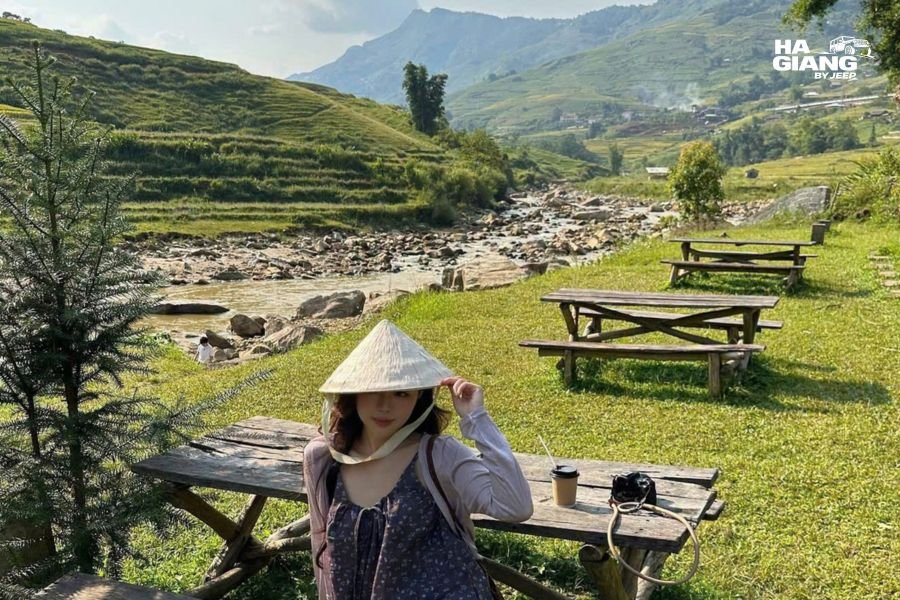
Sapa is a walking destination. The classic experience is trekking between villages in the Muong Hoa Valley, down through terraces to Lao Chai and Ta Van, staying with a family, and walking out the next day. You cover ground on foot, at your own speed, with the landscape immediately around you. Fansipan, the highest peak in Vietnam, sits above the town, reachable by cable car or by a serious climb.
Ha Giang is a road destination. The landscape is far too vast to walk. The experience is the Loop itself: Quan Ba, Yen Minh, Dong Van, Ma Pi Leng Pass, Meo Vac, each a few hours from the last, with the scenery changing completely between them. You stop, look, eat, talk, and continue. The walking is optional and short.
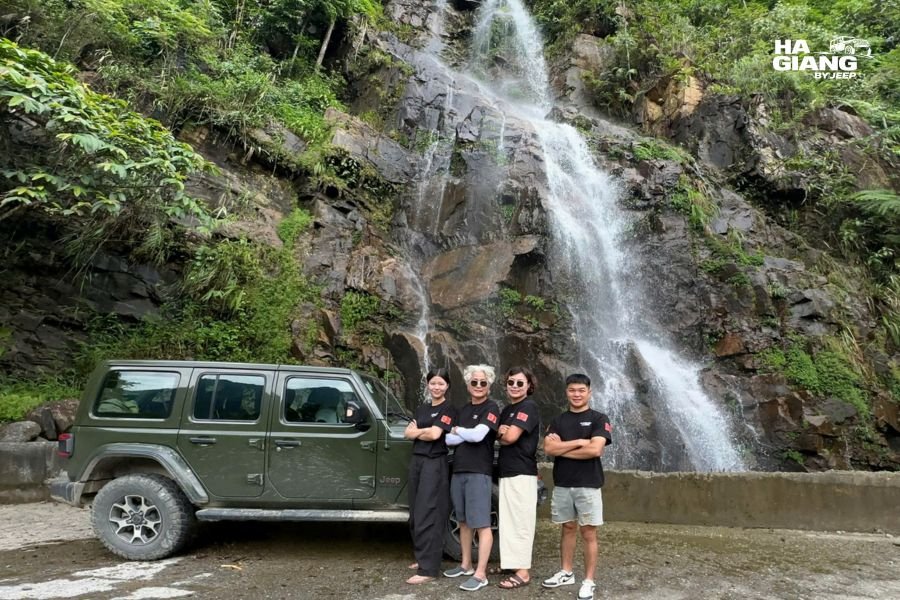
This is the honest heart of the comparison. If the appeal of mountains for you is walking in them, Sapa delivers that better. If the appeal is scale, remoteness and the feeling of crossing somewhere vast, Ha Giang has no real competitor in Vietnam.
Side by Side
| Sapa | Ha Giang | |
|---|---|---|
| Main experience | Trekking between villages | Road journey across a high plateau |
| Landscape | Terraced valleys, high peaks, Fansipan | Limestone plateau, canyons, mountain passes |
| Recognition | Well known mountain resort town | Dong Van Karst Plateau: UNESCO Global Geopark |
| Access from Hanoi | Easy, by road or overnight train to Lao Cai | Longer, by sleeper bus, van or private transfer |
| Time needed | Two to three days works well | Three days minimum, four or more ideal |
| Development | Heavily developed town, hotels and resorts | Small towns, homestays, limited high end options |
| Crowds | Busy, particularly in town and on main trails | Quieter, busier at key viewpoints in high season |
| Physical demand | Moderate to high if you trek | Low, but long days in a vehicle |
| Culture | Hmong, Dao, Giay, Tay | Hmong, Dao, Tay, Nung, Lo Lo and others |
| Best for | Walkers, short trips, comfort seekers | Travelers wanting remoteness, scale and journey |
Getting There
Sapa has the clear advantage here, and for travelers on a tight schedule it can decide the whole question.
Lao Cai is connected to Hanoi by both rail and a major road, with a wide choice of buses, vans and the overnight train. From Lao Cai it is a short run up to Sapa town. Plenty of people leave Hanoi in the evening and are looking at terraces the following morning.
Ha Giang takes longer. Sleeper bus, limousine van or private transfer, and the journey uses a substantial part of a day either way. Most travelers arrive the evening before their tour begins, sleep in Ha Giang City, and set off fresh the next morning. That night is worth budgeting for rather than resenting.
So if your calendar is tight, Sapa costs you less travel time. If your calendar has room, that extra journey is part of what makes Ha Giang feel remote, because it genuinely is.
Development and Crowds
This is the point where comparisons usually turn unfair, so here it is plainly.
Sapa town has been a tourist destination for a long time, and it has grown accordingly. There are large hotels, restaurants catering to international visitors, a cable car to Fansipan, and a lot of construction. In high season and at weekends it is busy.
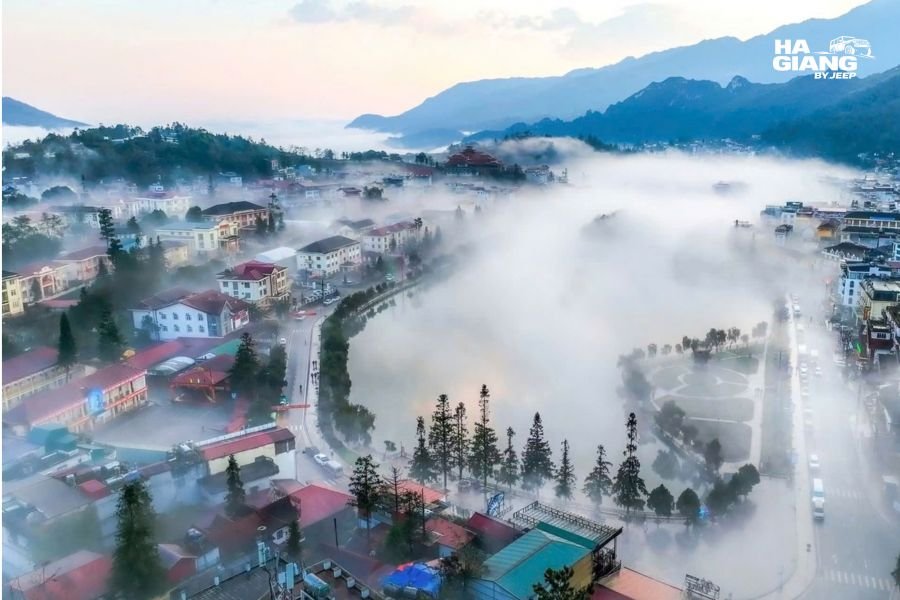
That development is not simply a negative. It means real comfort, reliable heating, hot water that works, a choice of restaurants, English spoken widely, and easy logistics if something goes wrong. For a lot of travelers, especially on a short trip or with family, those things matter more than atmosphere.

Ha Giang has far less of all of it. Dong Van and Meo Vac are small towns. Accommodation is mostly homestays and modest hotels. In high season the main viewpoints on Ma Pi Leng get busy, and the buckwheat flower weeks fill Dong Van. But a few kilometres off the main route it empties out very quickly, and a driver who knows the area can put you somewhere with nobody else in sight.
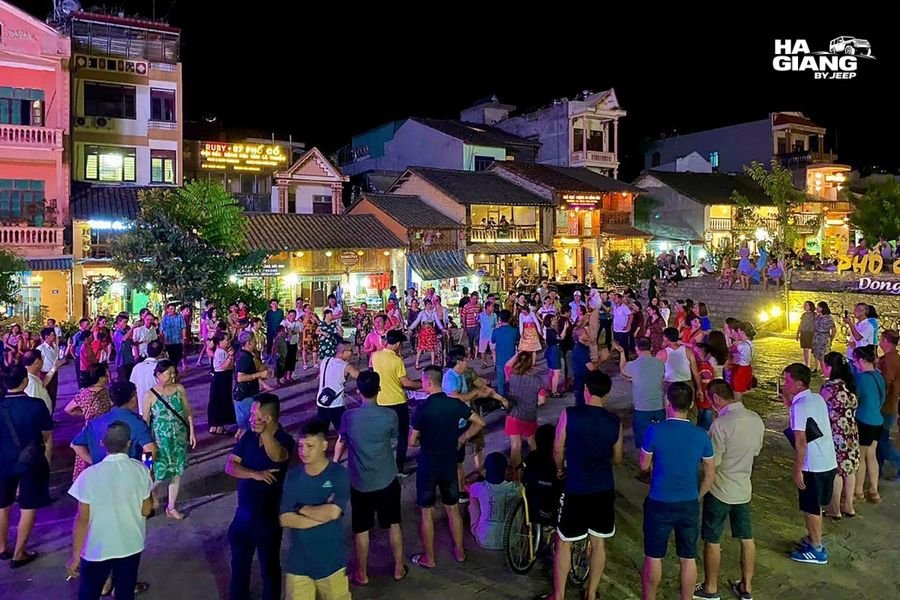
If the presence of other travelers genuinely affects your enjoyment, Ha Giang has the advantage. If you would rather have infrastructure than solitude, Sapa does.
Landscape
Both are beautiful. On landscape alone, Ha Giang vs Sapa is not a ranking but a difference in register.
Sapa's landscape is green and vertical: terraces stacked down valley sides, streams, bamboo, cloud moving through in the morning. At the right time of year the terraces are extraordinary, and walking through them puts you inside the view rather than looking at it.
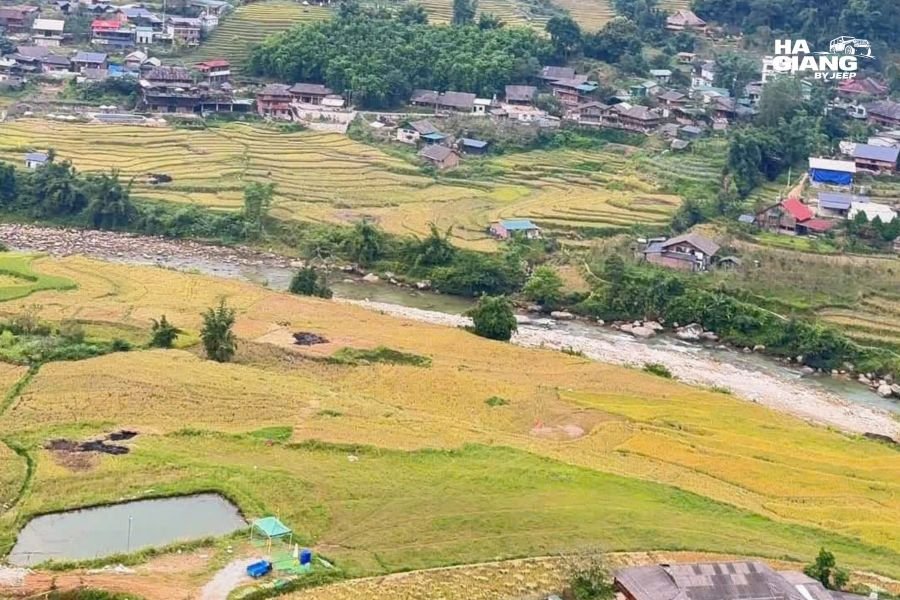
Ha Giang's landscape is grey and horizontal, in the sense that it goes on. The Dong Van Karst Plateau is a vast upland of limestone, maize planted in every pocket of soil between the rocks, cut through by canyons. Ma Pi Leng Pass runs along a cliff face above the Nho Que River, and Tu San Canyon below it is the deepest in Southeast Asia.
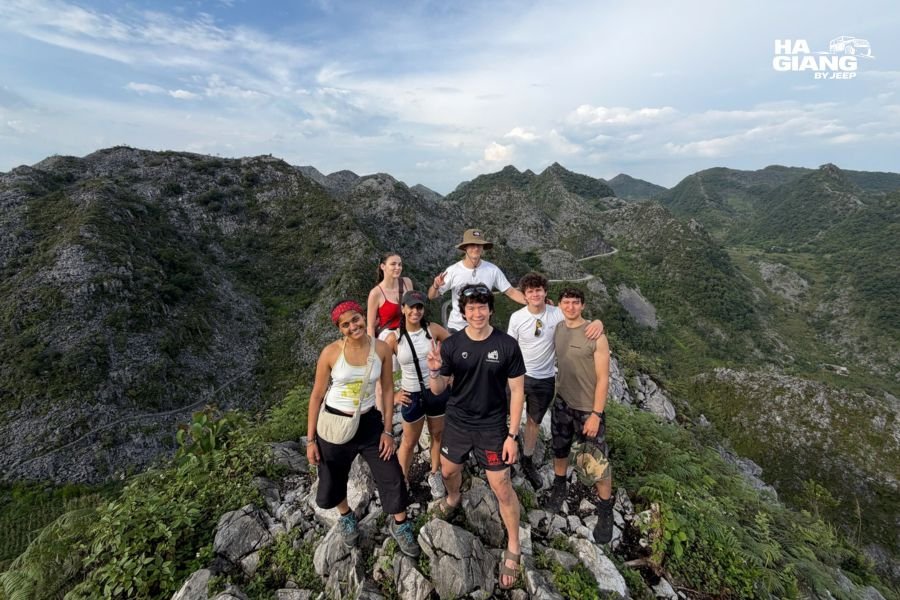
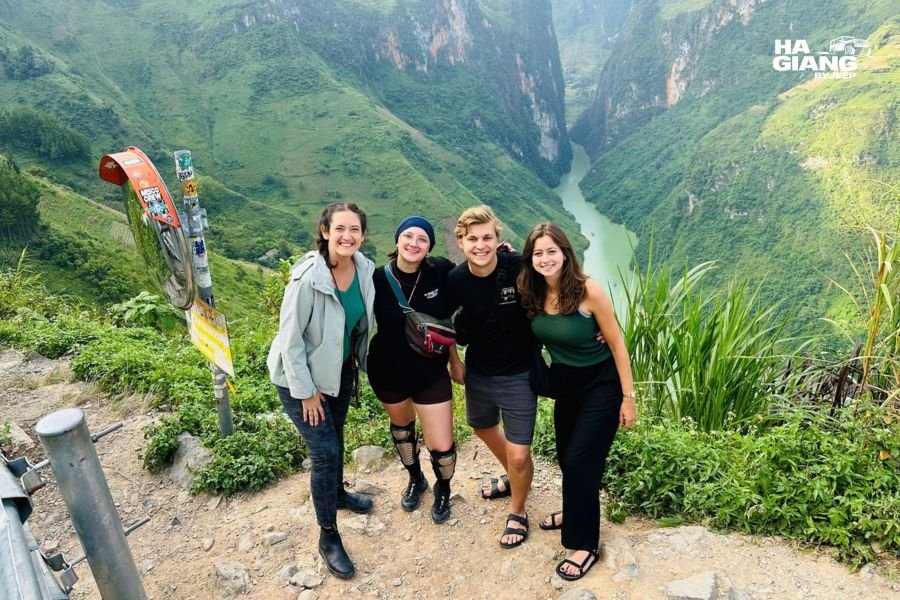
Ha Giang also has terraces, particularly around Hoang Su Phi and Du Gia, so you are not giving them up entirely. What Sapa does not have is the plateau, the canyon or the sense of distance.
Culture and How You Meet It
Both regions are home to highland communities, and both offer markets, textiles and village life. The difference is in the encounter.
In Sapa, tourism and local culture have been intertwined for decades. Many Hmong and Dao women work directly in the visitor economy, guiding treks and selling textiles, and many speak excellent English learned through that work. The upside is genuine access and conversation. The downside, which travelers mention often, is persistent selling around the town and main trails.
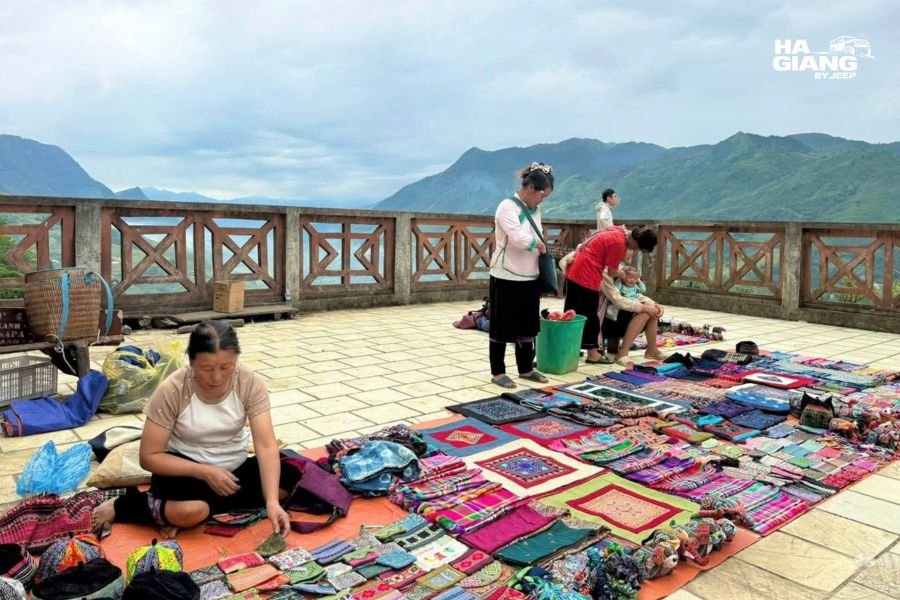
In Ha Giang, the visitor economy is smaller and newer. Markets are still primarily for the people who live here: livestock, tools, textiles, food, and a great deal of standing around talking. You are a guest at something that is happening anyway rather than the reason it is happening.
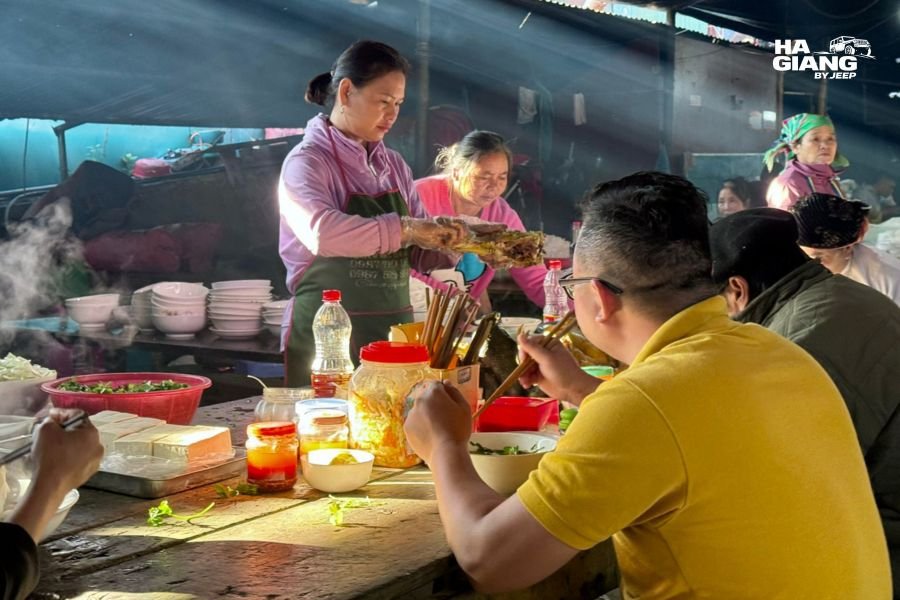
That difference cuts both ways. In Sapa you will have more conversations in English. In Ha Giang you will need a driver or guide who speaks the local languages, and with one, a market becomes a conversation rather than a photograph.
Comfort and Accommodation
Sapa wins on range, straightforwardly. Hotels with views, resorts with spas, boutique places, reliable heating in winter, and homestays in the valley villages if you want those instead. If your trip needs a comfortable base, Sapa provides it.
Ha Giang's range is narrower: family homestays, guesthouses, and small hotels in Dong Van and Ha Giang City. What that costs and what a quote should include is set out in our cost breakdown guide. Standards have improved a lot, but the top end here is not the top end in Sapa.
Where Ha Giang can match or beat it is in the travelling itself. Several hours a day on mountain roads is the main physical demand of the trip, and a comfortable private vehicle changes that completely: you look outward the whole way, stop whenever something catches your eye, and arrive with energy left. With a soft top and heating when the weather turns, cold mornings stop being a problem.
That is why older travelers and families often find Ha Giang far easier than expected. The trekking that makes Sapa rewarding is exactly what rules it out for some people.
Food
Sapa has the wider choice, including a lot of international food, which is genuinely useful on a longer trip or with fussy eaters. Local specialties include salmon and sturgeon raised in the cold streams, and thang co at the market.
Ha Giang's food is more regional and harder to find outside the north: com lam grilled in bamboo, banh cuon trung served with broth rather than dipping sauce, thang den on a cold Dong Van evening, chao au tau in the cold months, and ruou ngo, the corn wine that appears at every homestay dinner.
Where a Private Jeep Changes the Meal
The best food in Ha Giang is rarely in a restaurant. It is at a stall with plastic stools and no sign, or at a market that runs once a week. With your own vehicle and driver, you stop at any of them, because there is no group to consult and no schedule to defend.
And when your homestay host pours the corn wine at dinner, you can say yes, because you are not the one driving in the morning.
Seasons
Both are mountain regions with real seasons, and both get cold in winter.
Sapa is at its most photographed when the terraces are full of water in late spring and when the rice turns gold before harvest. Summer is green and wet. Winter is cold and often deep in cloud, occasionally with frost at altitude.
Ha Giang peaks differently. Late autumn brings buckwheat flowers and clear skies, the busiest period of the year. Winter is genuinely cold on the plateau with dramatic light and cloud seas below the viewpoints. Spring brings water on the terraces. Summer is heavy green with real rain.
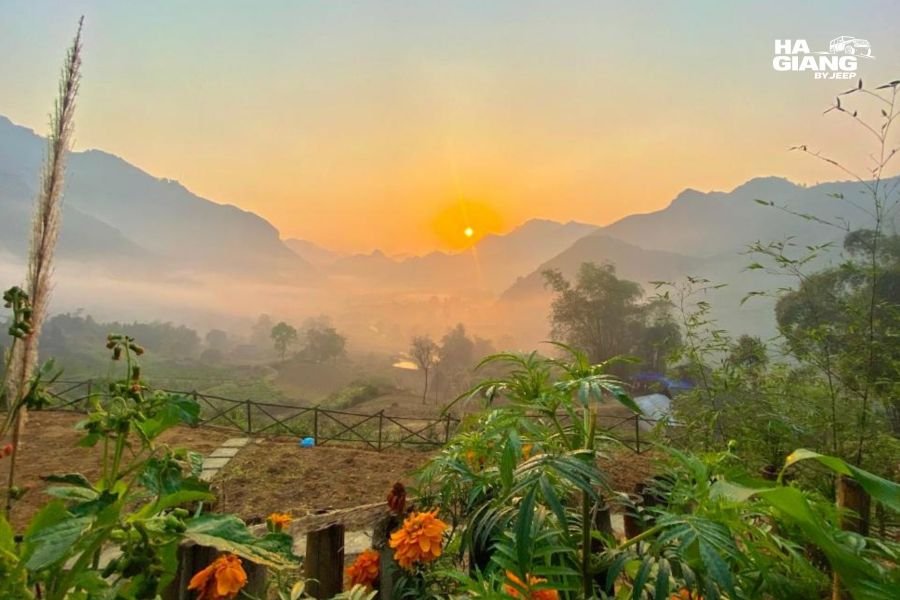
Conditions vary year to year, so check close to your dates. Our Ha Giang weather by month guide goes through the trade offs in detail.
The Honest Case for Sapa
Sapa is the better choice if:
- You have two or three days and cannot spare more
- Walking is the point for you, not an optional extra
- You want comfortable hotels and a reliable choice of restaurants
- You are travelling in a group with mixed interests and need flexibility
- Easy access matters more than remoteness
- Fansipan is on your list
- You want conversation in English with local people without arranging a guide
None of that is a consolation prize. Sapa is a beautiful place that earns its reputation, and travelers who go in wanting what it offers come back very happy.
The Honest Case for Ha Giang
Ha Giang is the better choice if:
- You have three days or more, ideally four
- You want to feel properly far from the tourist circuit
- Scale and remoteness matter more to you than infrastructure
- You would rather see a region than a town
- You do not want to trek, or cannot
- You travel partly to eat, and want food you will not find elsewhere
- You want the journey itself to be the experience
It also suits travelers who assume they are not the audience. People in their 50s and 60s, families with children, and anyone who does not drive often find a comfortable private jeep tour here is exactly the right level of adventure. If you are weighing that up, our honest guide on whether the Ha Giang Loop is worth it goes further.
Can You Do Both?
Yes, and geography helps here in a way people do not expect.
Sapa and Ha Giang sit in the same part of the north, and travelling between them is a recognised route rather than a detour back through Hanoi. If you have a week or more, doing both is realistic.
A common order:
- Hanoi to arrive and settle
- Sapa for two or three days of walking and terraces
- Across to Ha Giang, rather than returning to Hanoi first
- The Ha Giang Loop for three or four days
- Optionally, continue east into Cao Bang for Ban Gioc Waterfall
Doing Sapa first works well: it is the gentler introduction, and Ha Giang then feels like a proper step further out. If you want to travel between them, tell us when you enquire and we will arrange the Ha Giang side around your arrival.
Which Jeep Tour Is Right for You?
If Ha Giang is your choice, here is how the options fit.
Ha Giang Loop, 3 days if you are fitting Ha Giang alongside Sapa or other stops. Quan Ba, Yen Minh, Dong Van, Ma Pi Leng, Meo Vac.
Ha Giang Loop, 4 days if you can find one more day. Du Gia, Pho Bang, Sung La and more village time. The one we recommend most often.
Ha Giang and Cao Bang, 5 days if Ban Gioc Waterfall is on your list. Two UNESCO Global Geoparks in one continuous journey.
Ha Giang and Cao Bang, 6 days the full northeast unhurried, including God's Eye Mountain, Ngoc Con Valley and the 15 step pass.
Jeep Wrangler Rubicon rental if you are a confident driver comfortable with mountain roads and Vietnamese traffic.
Still deciding between Ha Giang vs Sapa? Tell us how many days you have and who is travelling. We will give you a straight answer, including when Sapa is the better fit.
Questions first? Contact us or message +84 938 988 593 on WhatsApp.
Frequently Asked Questions
Neither, in the abstract. Sapa suits shorter trips, walkers and travelers who want comfort and easy access. Ha Giang suits longer trips and travelers who want remoteness, scale and a road journey. Your available days usually decide it.
Yes. Sapa is connected to Hanoi by rail and a major road. Ha Giang takes longer by bus, van or private transfer, and most travelers arrive the evening before their tour starts.
Sapa town is developed and busy in high season, which brings real benefits in comfort and logistics. The valley villages and trails away from the main routes are quieter. It depends on what you want from a mountain trip.
No. The walking on a jeep tour is optional and short. The landscape is explored by road, which is why Ha Giang works well for travelers who cannot or do not want to trek.
Ha Giang, usually, on a comfortable private tour. The physical demand is low and the pace can be adjusted. Sapa's main appeal involves walking on uneven ground, which suits some travelers and not others.
They are different rather than ranked. Sapa has green terraced valleys and high peaks. Ha Giang has a vast limestone plateau, deep canyons and mountain passes. Many travelers who see both say Ha Giang feels larger.
Yes, it is a recognised route rather than a detour through Hanoi. If you are planning this, mention it when you enquire so the Ha Giang side can be arranged around your arrival.
Two or three days works well for Sapa. Ha Giang needs three days minimum and four is better, plus travel days to and from Hanoi.
Both can work. Sapa suits families who want a comfortable base and short walks. Ha Giang suits families on a private tour where the schedule bends around the children and nobody has to walk far.
It depends entirely on how you travel in each, so compare inclusions rather than headline prices. Our full cost breakdown guide explains what a properly costed Ha Giang trip actually covers.
Ha Giang by Jeep runs private 4x4 tours across the Dong Van Karst Plateau and Non Nuoc Cao Bang Geoparks, with English speaking local drivers and 24/7 support from our office in Ha Giang City. Email booking@hagiangbyjeep.com or WhatsApp +84 862 379 288.