
Ha Giang Loop Cost: A Full Budget Breakdown
Ask ten travelers what the Ha Giang Loop cost them and you will get ten different answers, and none of them will be lying.
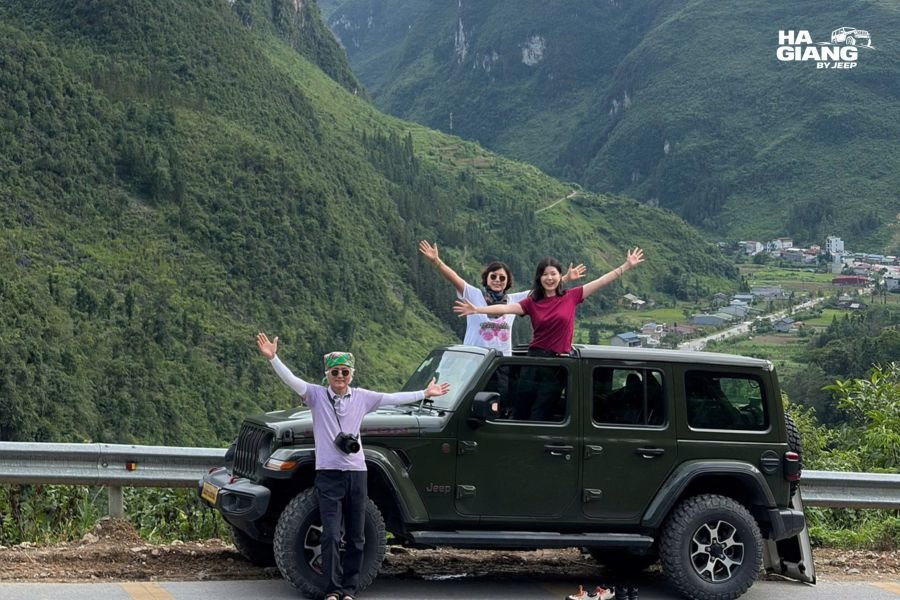
One person spent almost nothing and remembers being cold. Another spent a great deal and remembers every meal. The gap between them is not luck. It is a set of decisions, most of them made before anyone arrives in Ha Giang City, and almost all of them reversible if you understand what you are actually paying for.
This guide does not hand you a single number. It hands you the structure underneath the number, so that when a quote lands in your inbox you can read it properly, spot what has been left out, and work out whether the difference between two operators is real value or just a different way of hiding the same costs.
Why This Guide Does Not Publish a Price Table
There is a version of this article that would rank beautifully and help nobody. It would open with a tidy table: accommodation per night, fuel per day, food per day, a neat total at the bottom. Travelers love those tables. Search engines love them too.
The problem is that they go stale within months and nobody goes back to update them.
Fuel prices move. Homestay rates move, and they move the most in the weeks around Tet and through the buckwheat flower season. Entrance fees at individual sites change without announcement. The boat trip through Tu San Canyon has its own pricing that has shifted more than once. Permit requirements near the border are set by local authorities and can be adjusted with very little notice. On top of all of that sits the exchange rate between your currency and the Vietnamese dong, which alone can move a budget by a noticeable margin between the day you plan and the day you travel.
So here is the honest position. Any article that gives you an exact, confident Ha Giang Loop cost is either working from old numbers or guessing. The same applies to articles that publish precise minute by minute driving times between stops, which you should treat with the same suspicion. Mountain roads do not work that way. Weather, roadworks, livestock, a market day, a landslide repair crew: all of these decide your afternoon, not a spreadsheet.
What does not go stale is the structure. The categories of spending, the things operators bundle and unbundle, the questions that separate a real quote from a low anchor price designed to get you into a shop. That is what follows.
When you are ready for a real number, ask an operator for a current quote for your exact dates and group size. That is the only figure that means anything.
The Six Things You Actually Pay For on the Ha Giang Loop
Strip away the marketing and the Ha Giang Loop cost, from the leanest trip to the most comfortable, comes down to the same six components. What changes between travelers is only the weighting.
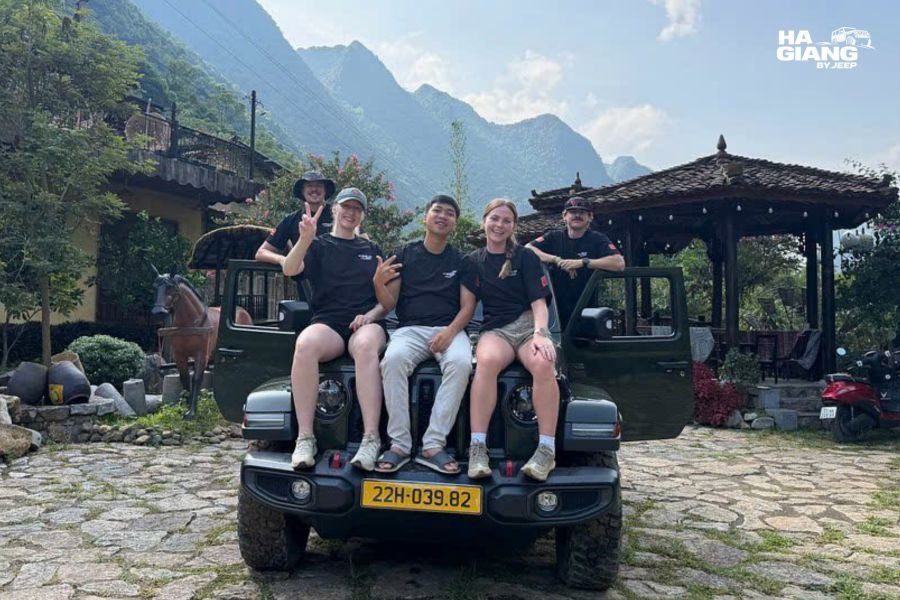
1. The Vehicle and the Person Driving It
This is the largest single line for most people, and the one where quotes differ most wildly.
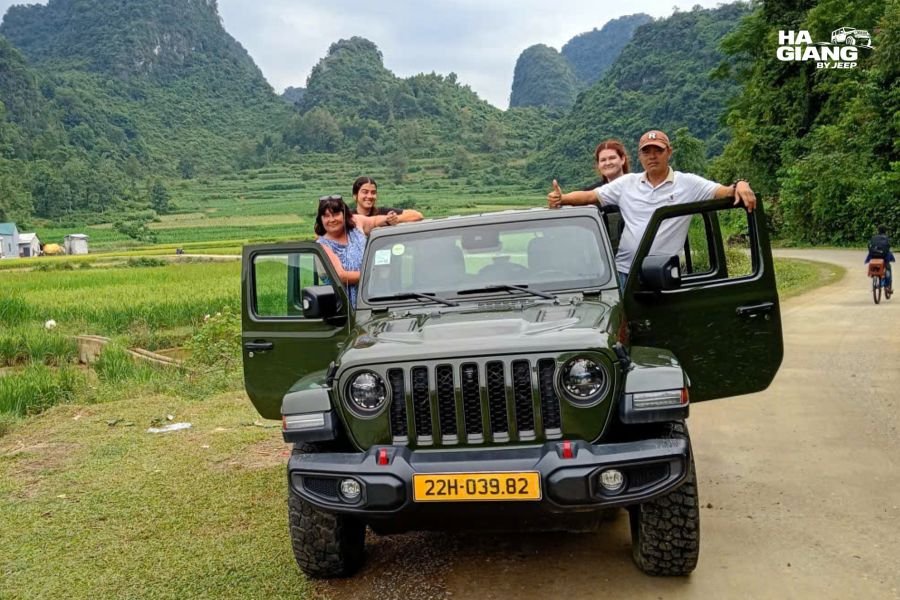
When you book a jeep tour, you are not renting a seat. You are covering a share of a vehicle for the full duration of the trip, plus fuel across several hundred kilometres of mountain road, plus maintenance on a 4x4 that works harder here in a week than most cars work in a year, plus insurance, plus the driver's wage for every day he is away from home, plus his own meals and accommodation each night.
That last point is worth sitting with. Your driver eats and sleeps somewhere too. In a properly costed tour, that is inside your price. In a suspiciously cheap tour, it has to come from somewhere else, and that somewhere else is usually commission from shops, restaurants and homestays that pay to have guests delivered to them.
A local driver who was born on this plateau is also not the same product as a driver hired for the week. He knows which viewpoint is clear when the cloud sits low, which market is running on the day you pass, and which family homestay is genuinely good rather than merely listed. You pay for that. You should want to.
2. Accommodation
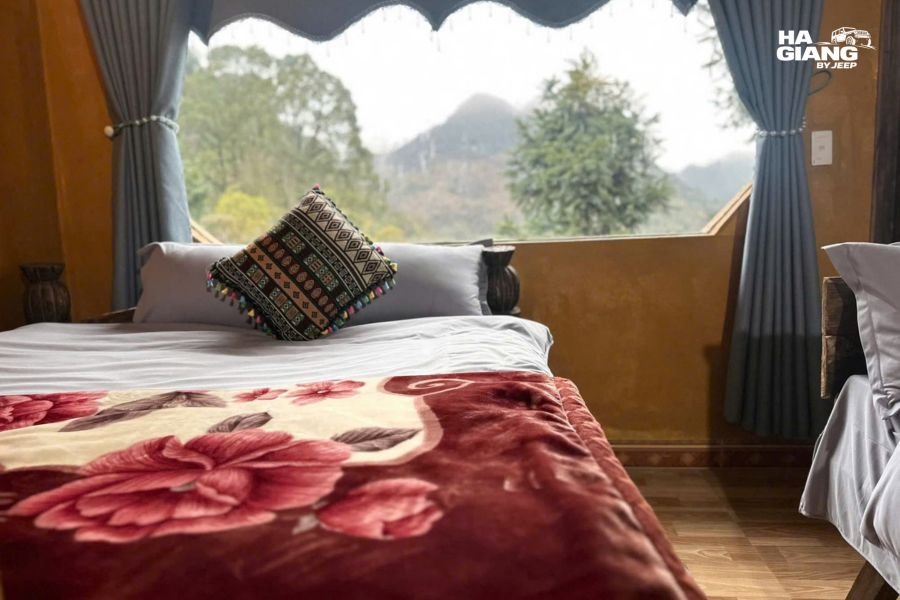
Ha Giang has a wider range of places to sleep than most people expect, and the spread between the cheapest and the most comfortable is large.
At one end are shared homestay sleeping platforms, mattresses in a row under one roof, shared bathroom down the corridor. In the middle sit private rooms in family homestays, often simple but with a door that closes and a hot shower that mostly works. At the top are small hotels and boutique stays in Dong Van and Ha Giang City with proper heating, reliable water pressure and a bed you would happily keep.
Two details drive cost here more than the star rating. The first is whether you need a private room, because a private room for two people frequently costs the same whether one or two of you sleep in it. The second is heating, which matters enormously from late autumn through winter on the high plateau and is the thing budget stays skip first. Our Ha Giang homestay guide goes through what each tier actually feels like on the ground.
3. Food and Drink
Food in Ha Giang is cheap by almost any international standard, and it is also one of the great pleasures of the trip, which is an unusually happy combination.
Most multi day tours include breakfast, lunch and dinner. What almost none of them include is drinks. That covers bottled water, coffee, beer, and the corn wine that appears at homestay dinners with a reliability that surprises first time visitors. None of these are expensive individually. Across five or six days with a group, they add up to a real line.
Then there is the eating you do because you want to, not because it was scheduled: com lam grilled in bamboo at a roadside stall, thang den on a cold Dong Van evening, banh cuon trung for breakfast, chao au tau if you find it in season. Budget for this deliberately. It is the cheapest fun available on this trip. Our Ha Giang food guide covers what to look for and where.

4. Permits, Entrance Fees and Site Tickets
This is the category travelers forget most often, and it is also where rules genuinely do change.
Parts of the route sit inside a border zone and require a permit. Reputable operators arrange this as a matter of course, and a good quote will say so explicitly. If a quote is silent on permits, ask.
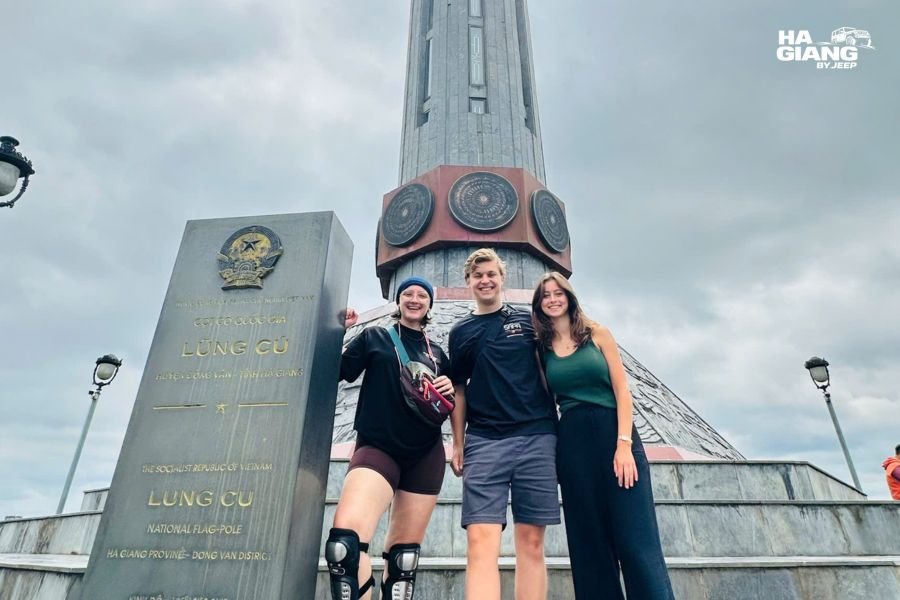
Separately there are individual site fees across the route. Museums and heritage houses, viewpoint platforms along Ma Pi Leng, the Lung Cu flag tower, cave sites, and the boat trip on the Nho Que River through Tu San Canyon, which is optional and priced on its own. Whether a tour includes these varies enormously by operator, which is exactly why two quotes that look far apart on paper can end up close once you add everything back in.
Because these rules and fees are set locally and can be revised, treat any figure you read online, including anything you read about permits, as indicative only and check current requirements close to your travel dates.
5. Getting to Ha Giang and Getting Home
The Loop itself is only part of the journey, and this is the line that most budget breakdowns quietly leave out.
You have to reach Ha Giang City from Hanoi, and you have to get back afterwards. Sleeper bus, limousine van and private transfer are three very different prices for the same distance, and which one you choose has a real effect on how you feel on the first morning of your tour. Some tours include transfers, some do not, and some include one direction only.
For the combined Ha Giang and Cao Bang itineraries, this matters more, because you do not finish where you started. Those trips end in Cao Bang, which means the journey home is a different route and a different cost. Check which end of that is inside your quote.
6. The Small Things That Quietly Add Up
None of these are large. Together they are not small.
- Tips for your driver, and for homestay hosts if you want to
- A Vietnamese SIM card or eSIM with data
- Laundry partway through a longer trip
- Luggage storage in Hanoi for whatever you are not bringing north
- Snacks, coffee stops and roadside fruit
- Textiles from Lung Tam Linen Village and other things you did not plan to buy but will
- Travel insurance, which belongs in this budget rather than outside it
- A small cash reserve, because card acceptance thins out quickly once you leave Ha Giang City
Bring more cash than you think you need, in smaller notes. ATMs exist in the larger towns along the route and they are not always cooperative.
How the Ha Giang Loop Cost Changes With Trip Length
The single biggest lever on your total is how many days you travel. What surprises people is that the cost per day usually falls as the trip gets longer, while the total naturally rises. The fixed costs of organising a trip get spread wider.
| Trip length | What it adds | Effect on cost |
|---|---|---|
| 3 days | The core Loop: Quan Ba, Yen Minh, Dong Van, Ma Pi Leng, Meo Vac | Lowest total, highest cost per day, fullest daily schedule |
| 4 days | A slower pace, Du Gia, Pho Bang, Sung La, more village time and more stops per day | Moderate increase in total, better value per day |
| 5 days | Crosses into Cao Bang: Ban Gioc Waterfall, Nguom Ngao Cave, Pac Bo | Larger step up, adds a second UNESCO Global Geopark and a one way return journey |
| 6 days | The full northeast: God's Eye Mountain, Ngoc Con Valley, the 15 step pass, Khau Coc Cha | Highest total, lowest cost per day, least rushed |
The 3 days option exists for people with a fixed window, and it works. But if your calendar has any flexibility at all, the fourth day is the best value purchase on this entire list. It converts a schedule into a trip. You stop watching the clock, you spend two nights somewhere instead of one, and the stops that a 3 days itinerary drives past become the ones you remember.
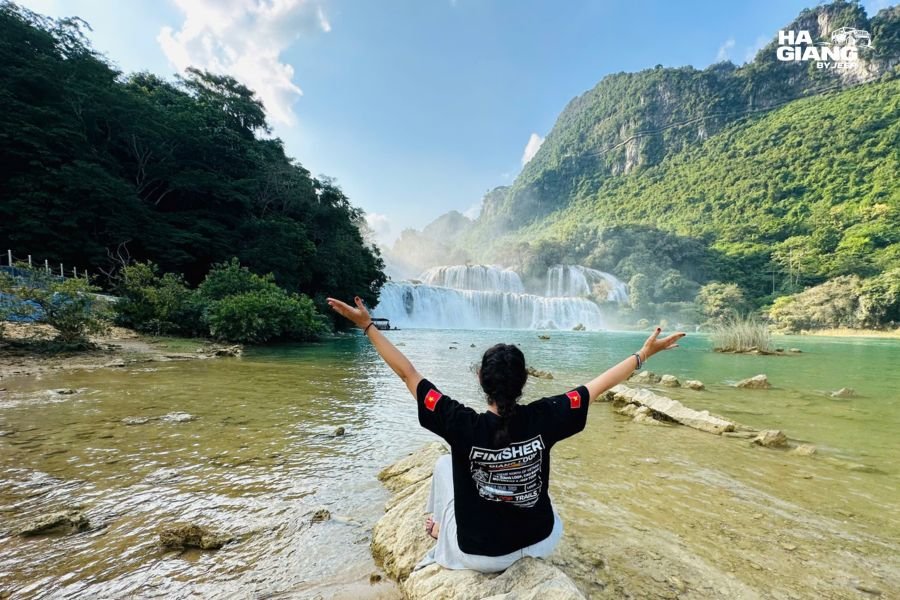
The 5 and 6 days combinations are a different calculation again. You are not buying more of the same landscape. You are buying a second one, with a completely different character: limestone towers, terraced valleys, and the Ban Gioc falls on the border. If Ban Gioc is on your list at all, doing it as an extension of Ha Giang is far more efficient than reaching Cao Bang as a separate trip from Hanoi. Our guide to Ban Gioc Waterfall explains why the season you visit changes the falls completely.
What Is Usually Included in a Jeep Tour Price, and What Is Not
This table reflects how a full service private jeep tour is normally structured. Always confirm against the specific quote in front of you, because the boundary moves between operators.
| Normally included | Normally extra |
|---|---|
| Private 4x4 for the full trip | Drinks, including water, beer and corn wine |
| English speaking local driver | Optional boat trip through Tu San Canyon |
| Fuel and all vehicle costs | Some individual site entrance fees |
| Accommodation for the stated nights | Tips |
| Breakfast, lunch and dinner | Travel insurance |
| Border zone permits where required | Transport between Hanoi and Ha Giang |
| Driver's own food and accommodation | Laundry, SIM cards, souvenirs |
| 24/7 support from the office in Ha Giang City | Single room supplement if you travel alone |
Two rows there deserve a second look.
The driver's own food and accommodation being inside the price is not a generous extra. It is the baseline for a properly costed tour, and its absence is the clearest signal that a price has been engineered downward and the difference will be recovered somewhere you cannot see.
The single supplement is the line solo travelers get caught by. A private room does not become cheaper because only one person sleeps in it. Ask about this before you compare totals, not after.
Hidden Costs Most Budget Guides Leave Out
Seasonal pricing. Not every operator publishes it, but demand is not flat across the year. The buckwheat flower weeks, the period around Tet, and the clear skies of late autumn all pull prices and availability in the same direction. The weather by month guide shows where those peaks sit.
Payment and transfer fees. International bank transfers, card processing, and the spread on currency conversion all take a small bite. Ask how payment works before you commit so there are no surprises on the statement.
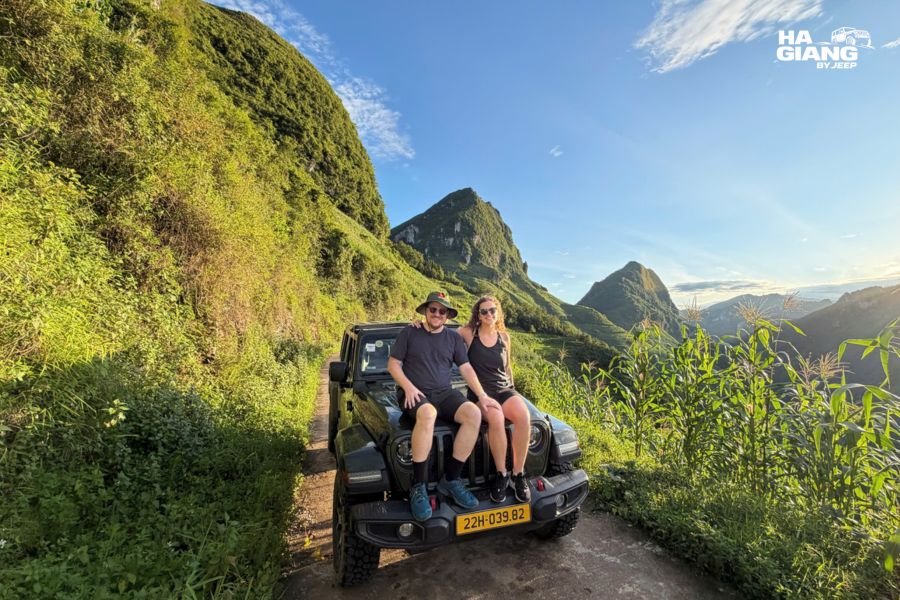
Damage deposits on self drive rentals. If you are renting a Jeep Wrangler Rubicon and driving yourself, there is a deposit and a clear set of terms around it. That is normal and it protects both sides, but it is money that has to be available at the time of collection.
The commission economy. A tour priced below what the underlying costs allow has to recover the gap. It usually recovers it through stops you did not ask for: a particular shop, a particular restaurant, a particular homestay. You pay in retail markup and in hours of your trip. This is the most expensive kind of cheap.
The cost of being cold, wet or exhausted. Harder to put on a spreadsheet, easy to feel. A trip you cut short, a day you spend indoors because you were not warm enough, a viewpoint you skipped because you had nothing left. Comfort is not an indulgence on this route. It is what lets you actually use the days you paid for.
Getting home from Cao Bang. Worth repeating because it is the most commonly missed line on the combined itineraries. You end somewhere different from where you started.
Four Traveler Budgets, Side by Side
The most useful thing to understand about jeep tour pricing is that a large part of the cost is per vehicle, not per person. The vehicle, the fuel, the driver: those costs exist whether one person or four sit in the back. Accommodation and food scale with headcount. Almost everything else does not.
That single fact explains most of what looks confusing about quotes.
Solo traveler. You carry the entire vehicle cost yourself, which makes the per person figure its highest. Add the single room supplement and the gap widens further. Solo travel here is completely doable and plenty of people love it, but go in knowing that this is the most expensive configuration per head and budget accordingly.
Couple. The vehicle cost halves immediately, and a double room costs roughly what a single would. This is the point at which private jeep travel starts looking sensible rather than extravagant, and it is the most common booking we see.
Family of four. The economics get better again. Four people splitting one vehicle, with children often sharing a room with parents, brings the per person figure down substantially while the comfort goes up rather than down. A private vehicle also means the schedule bends around a child who needs a break, which has a value that does not show up in any comparison table. If you are travelling with children, our guide to jeep tours with families and kids is the practical companion to this one.
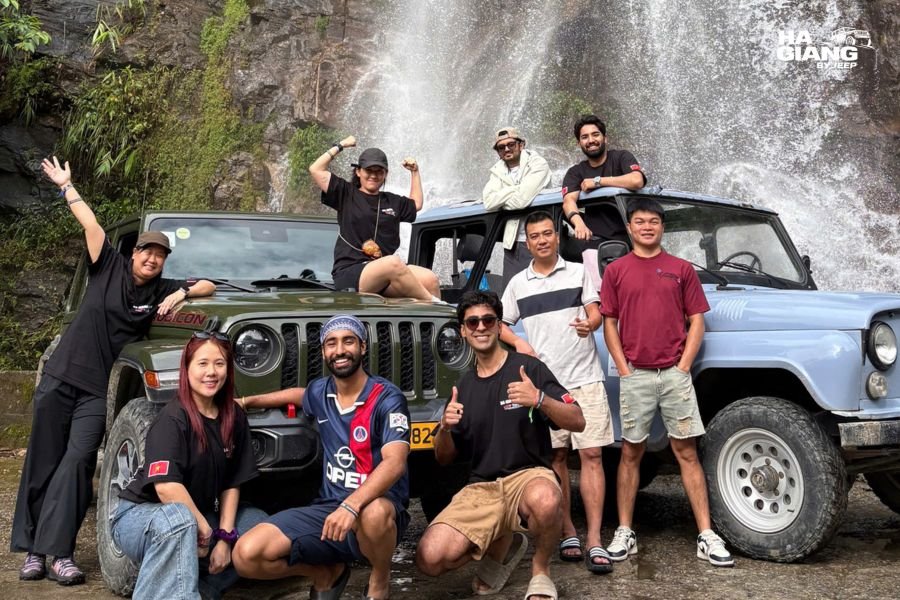
Group of six or more. The lowest per person cost of all, spread across two vehicles, with the added benefit that a group can usually negotiate around dates rather than fitting into someone else's departure schedule.
The practical takeaway: if you are travelling as a pair and wondering whether to find two more people, the answer from a pure cost standpoint is yes, quite emphatically.
Why Private Costs More Than Shared, and When It Is Worth It
A shared tour spreads the vehicle cost across strangers. That is the entire mechanism, and it is a legitimate way to travel cheaply.
What you trade is control. A shared vehicle stops where the group stops, leaves when the group leaves, and moves at the pace of whoever is slowest to get going in the morning. If a market is running and you want an extra forty minutes, that request has to survive a committee. If someone in the vehicle is unwell, difficult company, or simply wants a completely different trip from yours, you are in it together for several days.
Private costs more because nobody is subsidising your seat. In return the day belongs to you. You stop at the stall with the good com lam. You wait out the cloud at Ma Pi Leng because your driver says it will clear in twenty minutes. You skip a site nobody in your group cares about and spend the time in Dong Van Old Quarter instead.
For couples, families, older travelers, and anyone who does not want their holiday run by consensus, that is usually the line where the extra cost stops being a cost and starts being the actual product. At Ha Giang by Jeep every tour is private by default, which is a deliberate choice rather than an upgrade tier.
A Quiet Advantage at Every Meal
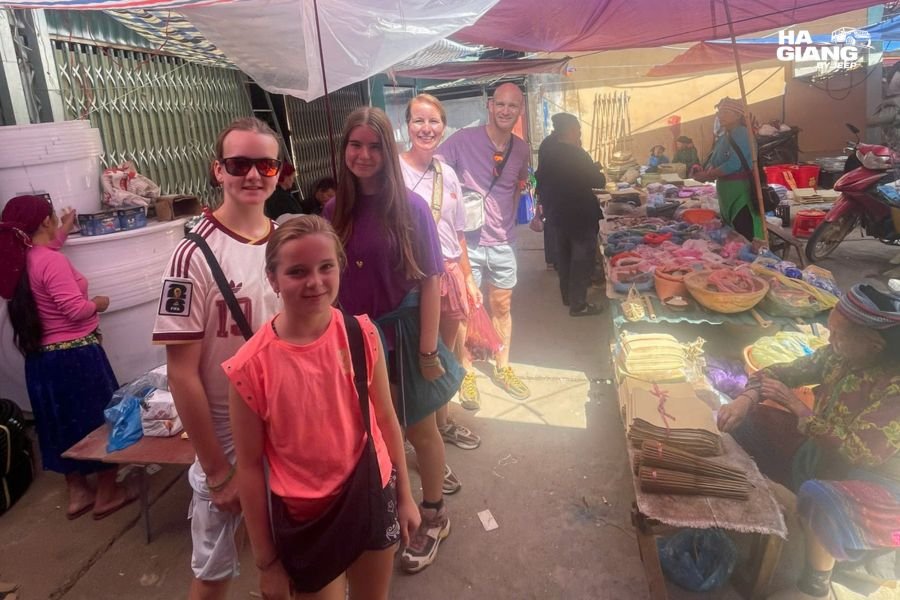
Here is a small thing with a real effect on how much you enjoy the trip. With a private jeep and your own driver, every roadside stall, every market, every noodle place with plastic stools and no sign is available to you. You say stop, you stop. There is no parking to worry about, no schedule to defend, and no reason to say no to the corn wine your homestay host pours at dinner, because you are not the one driving afterwards.
For anyone who travels partly to eat, that freedom is worth more than the difference between two quotes.
See the Ha Giang Loop jeep tours
How to Compare Two Quotes Properly
Two operators quote you a Ha Giang Loop cost and one is meaningfully lower. Before concluding anything, work through this list. Most of the gap usually disappears.
- Is the vehicle private, or shared with other travelers?
- How many nights, and how many of those are in private rooms?
- Are all three meals included on every full day?
- Are drinks included, or only water, or nothing?
- Are border zone permits arranged and included?
- Which site entrance fees are inside the price, and which are not?
- Is the Nho Que boat trip included, extra, or not offered?
- Is transport between Hanoi and Ha Giang included in either direction?
- For combined trips, how do you get back from Cao Bang, and who pays?
- Is the driver's own food and accommodation covered by the operator?
- Does the driver speak English, and is he from this region?
- What is the deposit, what is the balance, and what happens if you cancel?
Ask all twelve. An operator who answers them plainly and in writing is telling you something useful about how the rest of your trip will be handled.
Cost Traps and Pressure Selling: What to Watch For
Ha Giang is not a difficult place to travel and the overwhelming majority of people here are straightforward. These are general cautions, not accusations, and they apply in tourist areas across the world.
The anchor price. A number quoted online that is not achievable once the real inclusions are added. The gap appears later, in extras, in fees, in things you assumed were covered.
The itinerary that keeps shrinking. A long list of stops at booking, a shorter one in practice, with weather or timing offered as the reason. Ask at booking what happens to any stop that cannot be reached.
Commission stops. Extended visits to shops that were not in the itinerary. One stop at a genuine craft village is a highlight. Three stops at three shops is a business model.
Cash pressure at the end. Fees that appear on the last day, after the trip is effectively over and declining is awkward. Agree the full financial picture in writing before you leave Ha Giang City.
The unverifiable claim. Any operator, including this one, who states an exact number for anything that moves with conditions is telling you something they cannot actually know. Precision about the unknowable is not confidence. It is a warning sign.
Ways to Spend Less Without Ruining the Trip
- Travel outside the peak weeks. Late spring and early autumn shoulder periods are quieter, prices are softer, and the landscape does not disappoint.
- Fill the vehicle. If you can travel with friends, per person cost falls faster here than almost any other adjustment.
- Take the sleeper bus from Hanoi. It is a real saving over a private transfer and plenty of travelers do it happily.
- Choose a family homestay over a hotel. Simpler, cheaper, and frequently the part of the trip people talk about afterwards.
- Eat where the drivers eat. The best value food on the route is not in any guidebook, and your driver knows exactly where it is.
- Buy water in large bottles and refill. Small cost, meaningful over six days, and less plastic.
- Skip the paid viewpoint platforms you do not need. Some of the finest views on Ma Pi Leng cost nothing at all.
Ways to Spend More That Are Actually Worth It
- The extra day. Already said, still the best purchase on this page.
- A heated room in winter. On the high plateau from late autumn onward, this is not luxury. It is sleep.
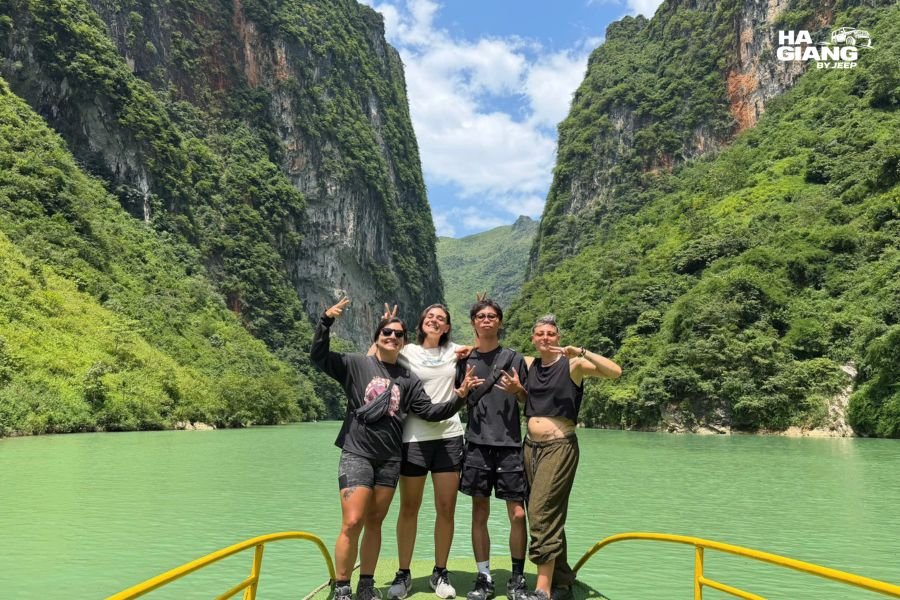
- The Tu San Canyon boat trip. Optional, extra, and the one optional extra that almost nobody regrets. The canyon does not photograph the way it feels from water level.
- A private room instead of a shared platform. After a full day on mountain roads, a door that closes changes the following morning.
- Proper travel insurance. The cheapest expensive thing you will ever buy.
- Tipping your driver properly. He carried your trip. On the days when the weather turned or the road was difficult, he carried it more than you saw.
Which Ha Giang Jeep Tour Is Right for You?
Cost and fit are the same question asked two ways. Here is the short version.
Ha Giang Loop, 3 days if your calendar is fixed and you want the classic route: Quan Ba, Yen Minh, Dong Van, Ma Pi Leng, Meo Vac. Full days, everything essential, lowest total.
Ha Giang Loop, 4 days if you can find one more day. More villages, Du Gia, Pho Bang, Sung La, a slower rhythm, and the best value per day of the two Loop options. This is the one we recommend most often.
Ha Giang and Cao Bang, 5 days if Ban Gioc Waterfall matters to you. Two UNESCO Global Geoparks, two very different landscapes, one continuous journey ending in Cao Bang.
Ha Giang and Cao Bang, 6 days if you want the whole northeast without hurrying: God's Eye Mountain, Ngoc Con Valley, the 15 step pass, Khau Vai and the quieter corners most itineraries never reach. Highest total, lowest cost per day, and the trip people come back talking about.
Jeep Wrangler Rubicon rental if you are a confident driver, comfortable with mountain roads and Vietnamese traffic, and want the vehicle without the driver. A different cost structure entirely, priced by the day.
Not sure which fits? Message us on WhatsApp with your dates and group size and we will tell you honestly, including when the shorter option is the right call.
Getting an Accurate Ha Giang Loop Cost for Your Dates
Everything above is structure. A real Ha Giang Loop cost for your trip needs four pieces of information: your dates, how many people are travelling, which tour length you want, and what standard of accommodation suits you. With those four, a quote takes minutes and it will be accurate rather than indicative.
A note on how booking works, because transparency about money is part of the product. We take a deposit of twenty percent up front. That is not a holding fee. It goes straight out again to pre pay your homestays for those dates, to commit your driver to your trip rather than someone else's, and to process border zone permits where your route requires them. The remaining eighty percent is paid in cash when you arrive in Ha Giang City, once you have met your driver and seen the vehicle.
On timing: once you have a confirmed travel date, book as early as you can. Most guests book one to three months ahead. Jeep availability is limited, so early booking is what lets us arrange everything properly rather than approximately.
Questions first? Contact us or message +84 938 988 593 on WhatsApp. We answer with real numbers for your real dates, and we will tell you if a shorter trip serves you better.
Frequently Asked Questions
It depends almost entirely on group size, trip length and accommodation standard, because a large share of the cost is per vehicle rather than per person. A couple pays far less per head than a solo traveler for exactly the same trip. Ask for a quote with your dates and group size to get a figure that means anything.
Daily costs in Ha Giang are modest by international standards, especially for food. The tour itself is the main expense, and it covers a private vehicle, a driver, accommodation, meals and permits across several days, which makes it reasonable value for what is included.
Usually drinks, tips, travel insurance, some individual site entrance fees, the optional Tu San Canyon boat trip, and transport between Hanoi and Ha Giang. Always ask for the exclusions in writing rather than assuming.
Parts of the route sit within a border zone and require a permit, which reputable operators arrange for you. Requirements are set locally and can change, so confirm current rules close to your travel dates.
More than you expect, in smaller notes. Card acceptance thins out quickly outside Ha Giang City, ATMs in the smaller towns are not always reliable, and drinks, snacks, tips and market purchases are all cash.
For couples, families and older travelers, usually yes. You control the pace and the stops, you are not tied to a group schedule, and the day bends around you rather than the other way around. For solo travelers on a tight budget, shared travel is a reasonable trade.
The total rises, but the cost per day falls, because the fixed costs of the trip spread across an extra day. Most guests who take the fourth day say it was the best value decision they made.
They are a larger total because they are longer and cover a second region, including Ban Gioc Waterfall and the Non Nuoc Cao Bang Geopark. Per day they are the best value we offer. Remember to account for the return journey from Cao Bang rather than Ha Giang.
We take twenty percent as a deposit before the trip so that homestays, your driver and any permits are secured for your dates. The remaining eighty percent is paid in cash when you arrive in Ha Giang City.
Tipping is not obligatory and there is no fixed rate. Most guests tip at the end of the trip based on how the days went. Your driver works long hours on demanding roads, and it is genuinely appreciated.
Most guests book one to three months ahead. Jeep availability is limited compared to other ways of travelling here, so the earlier your dates are confirmed, the better we can arrange accommodation and permits.
Yes. If none of the standard lengths fit your calendar, send us your dates and what you want to see and we will build something around it, with the costs set out clearly before you commit.
Ha Giang by Jeep runs private 4x4 tours across the Dong Van Karst Plateau and Non Nuoc Cao Bang Geoparks, with English speaking local drivers and 24/7 support from our office in Ha Giang City. Email booking@hagiangbyjeep.com or WhatsApp +84 862 379 288.