
Where to Stay on the Ha Giang Loop
Why Where You Stay Matters on the Ha Giang Loop
Here's something most travel blogs won't tell you: your accommodation shapes your Ha Giang experience as much as the driving does.
It's not just about sleeping—it's about waking up in a mountain village, eating breakfast prepared by a local family, and understanding a place from the inside out.
This is where a private jeep tour becomes more than just transportation. Your driver knows the best homestays. Your accommodation is pre-arranged. You're not spending energy hunting for a room; you're settling in and experiencing the place.
The Ha Giang Loop forces you to choose: do you want urban comfort or authentic mountain living? The answer isn't "comfort always wins." Many travelers discover they prefer a simple homestay with a stunning view over a fancy hotel with hot water that's unreliable anyway.
This guide covers where you'll actually stay, what realistic expectations look like, and how to match your comfort threshold with the right accommodation for your journey.
Types of Accommodation Explained
Homestays (Family-Run, Local Experience)
Homestays are the backbone of Ha Giang tourism. Think of them as staying in someone's home, because that's exactly what they are. A local family converted spare rooms into guest space. You sleep under their roof, eat their food, and often interact with them at meals.
Quality varies. Some homestays are spotless with strong WiFi and hot water. Others are truly basic: squat toilet, cold shower, no WiFi. The tradeoff is always the same: less comfort equals more authenticity.
Homestays typically cost 150,000 to 300,000 VND per night (roughly 6–12 USD). That price includes a basic room, breakfast, and dinner (often communal with the family).
Guesthouses (More Amenities, Mid-Range)
Guesthouses are a step up from family homestays. They're small hotels run by locals or Vietnamese entrepreneurs. You get your own bathroom, hot water is more reliable, and WiFi usually works. Breakfast is typically lighter than homestays (coffee and bread rather than full Vietnamese meal).
Guesthouses cost 250,000 to 500,000 VND per night (10–20 USD). They're a good middle ground if you want some comfort without losing local character.
Hotels in Ha Giang City (Urban Comfort)
If you need conventional hotel amenities before or after your tour, Ha Giang City has options. They're mostly 2–3 star places with air conditioning, reliable hot water, and English-speaking staff. Rooms cost 400,000 to 800,000 VND (15–30 USD).
Most travelers stay at a Ha Giang city hotel for 1 night before the tour starts (for pickup) and 1 night after (to recover). It's not part of the mountain experience, but it's useful for transitions.
Eco-Lodges (Emerging Option)
A few newer places are positioning themselves as eco-lodges or upscale homestays. These have better construction, nicer furniture, and modest modern touches (solar power, composting toilets) without losing character. They cost 400,000 to 700,000 VND (15–25 USD).
They're not everywhere, but they're appearing in popular stops like Dong Van and Yen Minh.
Ha Giang City: Your Starting Point
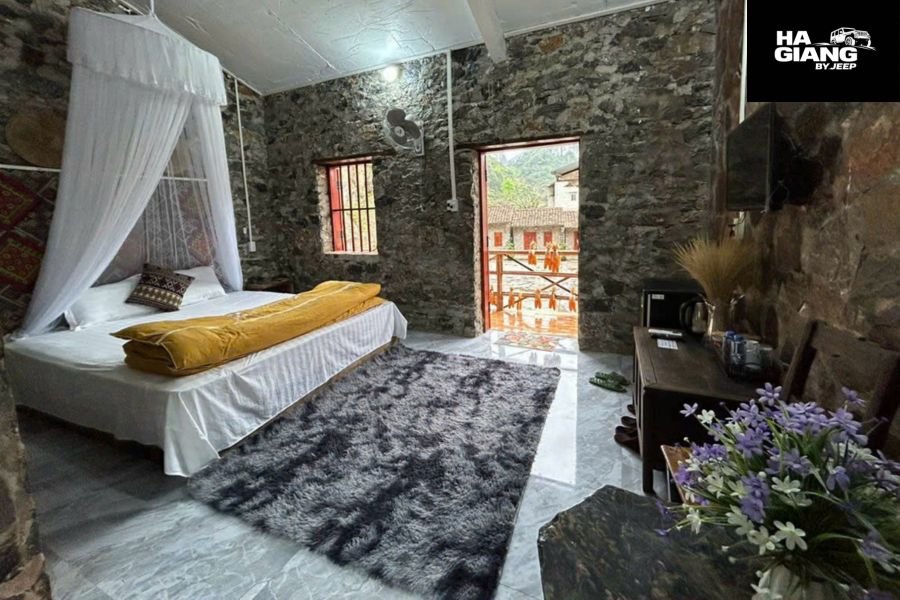
Ha Giang City is where most Ha Giang Loop tours begin. It's a small city of about 100,000 people, situated in a valley with urban infrastructure: restaurants, hospitals, shops, and reliable services.
If your tour starts early, you'll probably stay in the city the night before for a convenient pickup. The hotels are nothing special—think basic Vietnamese city hotel—but they serve the purpose.
Expect: air conditioning, reliable water, WiFi, and breakfast. Rooms are clean but simple. Staff generally speak limited English, so basic directions are helpful.
The main benefit of staying in Ha Giang City first is peace of mind. You're in a familiar urban setting before heading into the mountains. You can confirm your tour details, prepare your camera, and sleep without wondering about amenities.
Yen Minh: The Mountain Gateway
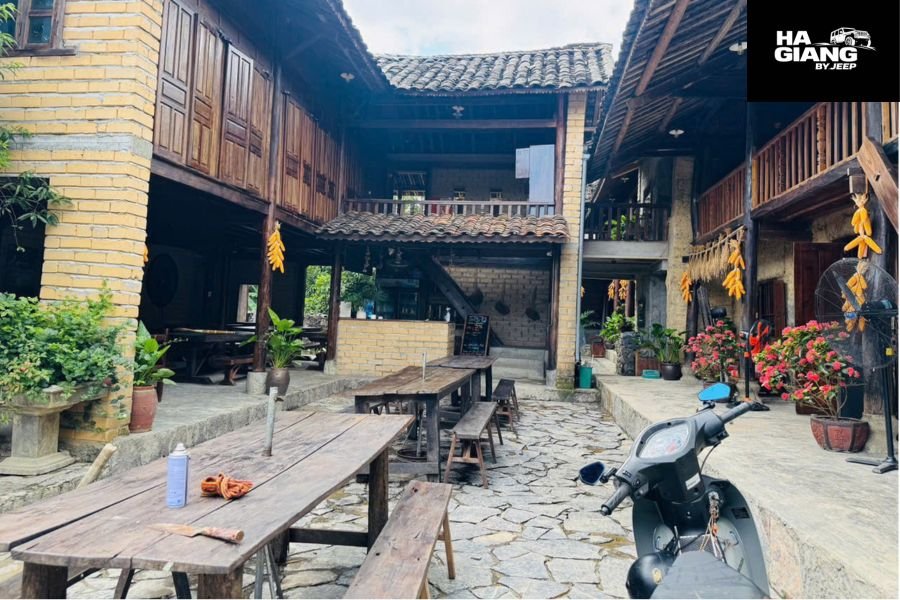
Yen Minh is the first or second night stop for most Ha Giang Loop tours. It's a town of maybe 15,000 people, nestled at higher elevation (around 600 meters) in a rural setting. The transition is noticeable: you've left urban comfort and entered mountain life.
Most Yen Minh accommodation is homestays or small guesthouses. The quality is reliable because these places have hosted hundreds of international travelers. Hot water is usually available (from a heated tank, not always consistent). Bathrooms are private but basic. WiFi works but slowly.
The real magic of Yen Minh is the location. You're eating dinner with a local family, looking at mountains you just drove through. Kids might gather to chat (English practice is a genuine interest). Rice paddies surround the town. This is your first real immersion.
For a 3-day tour, Yen Minh is often your only homestay night. You drive in, settle down, and wake early for the mountain passes.
Dong Van Old Quarter: Historic Charm
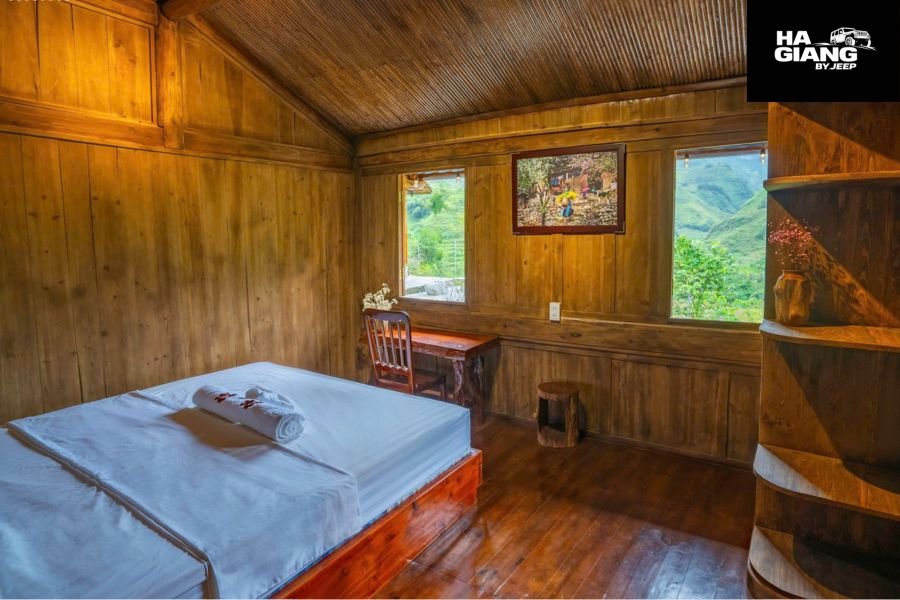
Dong Van is special. The Old Quarter is a UNESCO heritage site with traditional stone architecture, narrow lanes, and a genuine sense of history. Homestays here are often in restored historic buildings—thick stone walls, wooden beams, character that money can't manufacture.
Staying in Dong Van Old Quarter puts you in the middle of everything. You're 50 meters from the Sunday Market, surrounded by restaurants and small shops, yet the setting feels timeless.
The tradeoff: these homestays are popular, which means more tourists, less "untouched" feel. But the location is unbeatable. You can wake early and explore empty stone streets before crowds arrive.
For 4-day tours, Dong Van is a key stop. Most travelers spend 2 nights here, which gives time to explore the market, visit nearby Lung Cu Flag Tower, and experience daily life.
Accommodation ranges from simple family homestays (200,000 VND) to nicer guesthouses with character (400,000 VND).
Meo Vac: The Remote Outpost
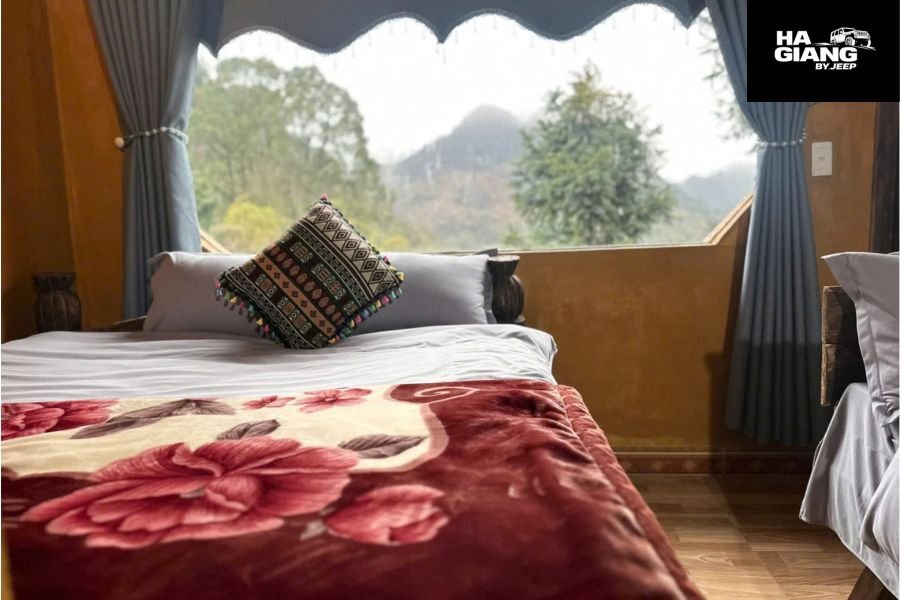
Meo Vac is where "authentic mountain village" becomes real. It's a small town at 900+ meters elevation, surrounded by peaks. The drive in is spectacular and slightly intimidating—it feels like you're entering somewhere truly remote.
Meo Vac has fewer tourists than Dong Van, so homestays here retain a quieter authenticity. You get genuine local interaction without the feeling of being on a tour trail. Families are genuinely interested in travelers, not accustomed to daily tourism.
The trade-off is honest: Meo Vac is uncomfortable by urban standards. Hot water is sometimes available from a tank, sometimes not. WiFi is spotty. Bathrooms are basic. But this is peak authentic experience. You're not visiting local life; you're temporarily living it.
For sunrise chasers, Meo Vac is perfect. The light on surrounding mountains at dawn is remarkable. Many homestays can arrange wake-up calls and coffee before sunrise if you ask.
Accommodation costs 150,000 to 250,000 VND. This is budget homestay territory, but quality is good—clean, safe, friendly.
Homestay Life: What You Actually Experience
Typical Daily Rhythm
You arrive midday. Your driver knows the homestay owner. There's often no "check-in" process—you're introduced, shown to your room, and left to settle. The host family is usually nearby if you need something.
Dinner is typically 5 or 6 PM. You might be invited to eat with the family at a long table, or served separately in a dining room. Food is local and simple: rice, vegetables, protein (egg, meat, or fish), soup. Portions are generous.
Breakfast is 7 or 8 AM, before you leave. It's lighter than dinner: rice porridge or bread, egg, pickles, fruit, coffee.
In between, the family goes about their day. You're welcome to explore, sit on the porch, or interact as much or as little as you like.
Family Interaction
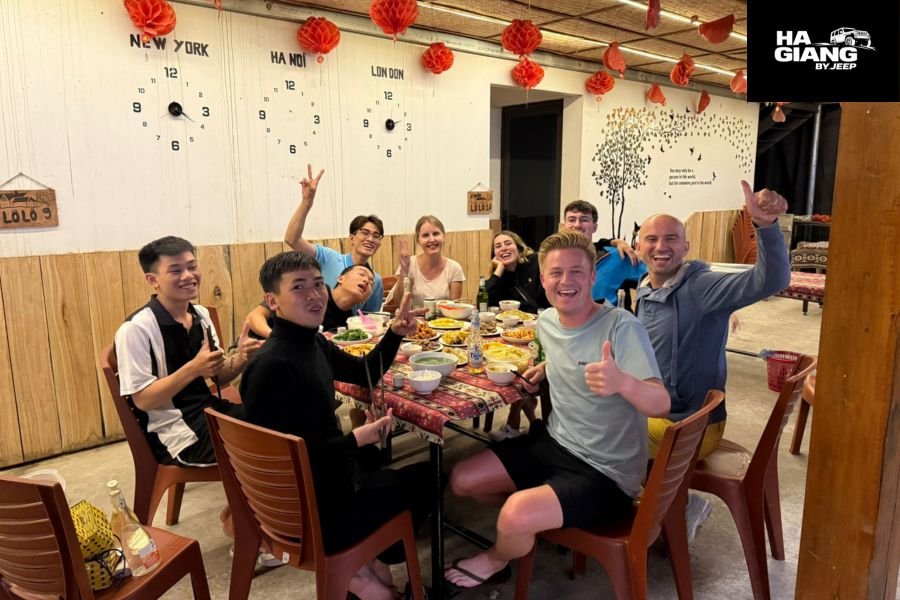
Homestay families range from reserved to extremely friendly. Language barriers exist—most families speak minimal English—but curiosity bridges gaps. Kids practice English. Adults ask about your country. You'll get questions about family, work, age, and marital status (standard Vietnamese conversation, not nosiness).
Some travelers find this interaction exhausting; others love it. There's no wrong answer. Just know it's part of the experience.
Facilities (Bathroom, Shower, Heating)
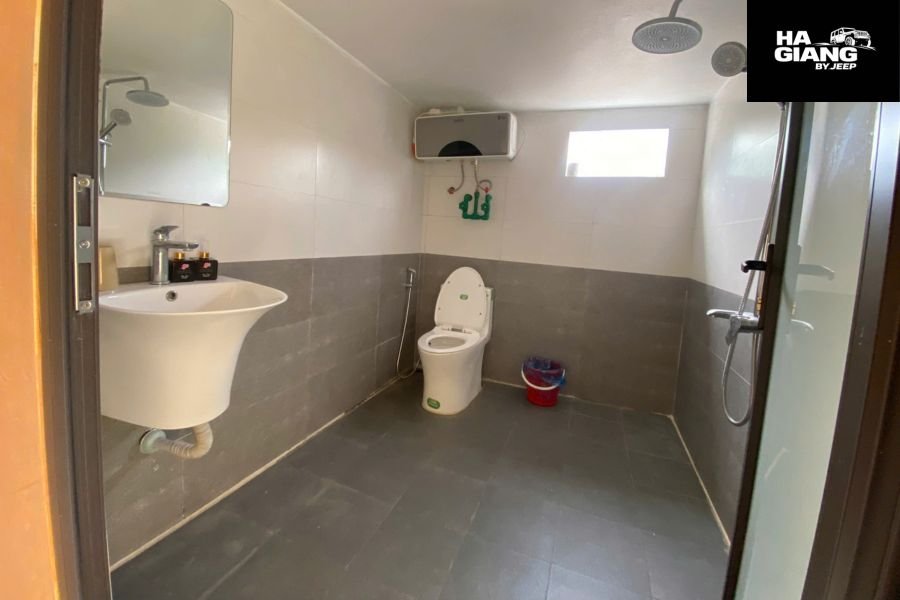
Most homestays have individual bathrooms attached to bedrooms (squat or Western toilet, often basic). Hot water comes from a tank (sometimes available, sometimes not). Showers are usually a plastic tank with a scoop or small showerhead. This is normal.
In winter, heating is simple: extra blankets. Some homestays have a small heater in the room. In summer, ventilation is key—open windows and fans suffice.
Electricity is reliable in town-based homestays; more remote ones might have generator hours. Most homestays now have basic WiFi, though speed varies.
Bedrooms and Common Areas
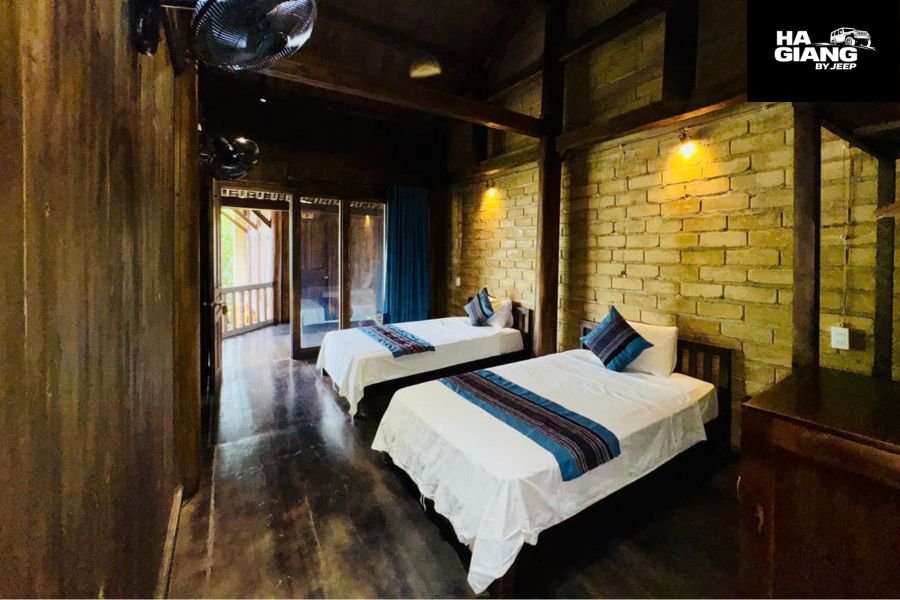
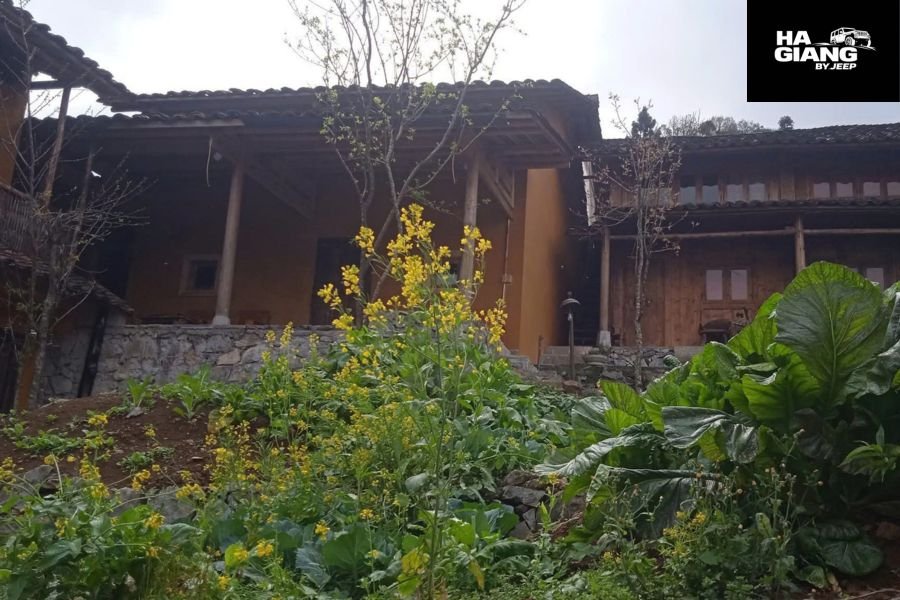
Homestay bedrooms are simple: basic mattress, thin pillow, simple bedframe. Windows often have views of rice fields or mountains. Common living areas are where families spend time—you're welcome to join.
Cultural Etiquette Tips
Remove shoes when entering homes. Ask before taking photos of people. Don't criticize the food. Offer to help with dishes (it's polite). Use both hands when giving or receiving items. Don't touch children's heads. These are basic respect practices, not strict rules.
Most families appreciate effort more than perfection. If you're friendly and try to engage, small missteps are forgiven.
Ready for an Authentic Mountain Experience?
Your accommodation is just the beginning. When you book a 4-day Ha Giang Loop tour, we handle everything: your homestays are pre-arranged, your driver knows the families personally, and you focus on experiencing the journey.
View Our ToursComfort Levels by Region
Lower Altitude (Ha Giang City, Yen Minh Valley): More Comfort, Urban Services
At 200–600 meters elevation, these towns have reliable electricity, water systems, and phone signal. Hot water is usually consistent. Bathrooms are often attached to rooms. WiFi is adequate.
Higher Altitude (Meo Vac, Dong Van): Rustic, Authentic
At 800–1000+ meters, infrastructure becomes basic. Hot water is tank-based. Phone signal varies. Electricity can be unstable. Bathrooms are functional but minimal.
The higher you go, the more "adventure" and less "comfort." This isn't bad—many travelers prefer it—but it's real.
Temperature and Heating
Even in summer, high-altitude nights cool down to 15–18°C. Winter nights hit 5–10°C. Homestays in these areas provide blankets, but if you're cold-sensitive, bring a lightweight fleece for layering.
Electricity and WiFi Reality
Expect WiFi in town-based homestays and guesthouses. In truly remote villages, it's unreliable or absent. Electricity is stable in most places, but power outages happen (usually brief). Phone signal is generally good, even in remote areas.
Seasonal Considerations
Best Season for Comfort: October to November
October and November are peak season. Daytime temps are 22–26°C, nights are 12–15°C. Rain is infrequent. Homestays are comfortable and beds are dry. The tradeoff is crowds—popular homestays book out quickly.
Rainy Season: May to September
Summer rains mean damp rooms, muddy surroundings, and occasional flooding in low areas. Homestays mitigate this but can't eliminate it. Upside: fewer tourists, lower prices, and dramatic green landscapes.
Winter: December to February
Winter means cool nights (5–10°C) and sometimes chilly days. Heating is basic—extra blankets and layers matter. Rainy season ends, so rooms are dry. Fewer tourists. This is ideal if you tolerate cool weather.
Peak Season Trade-Off
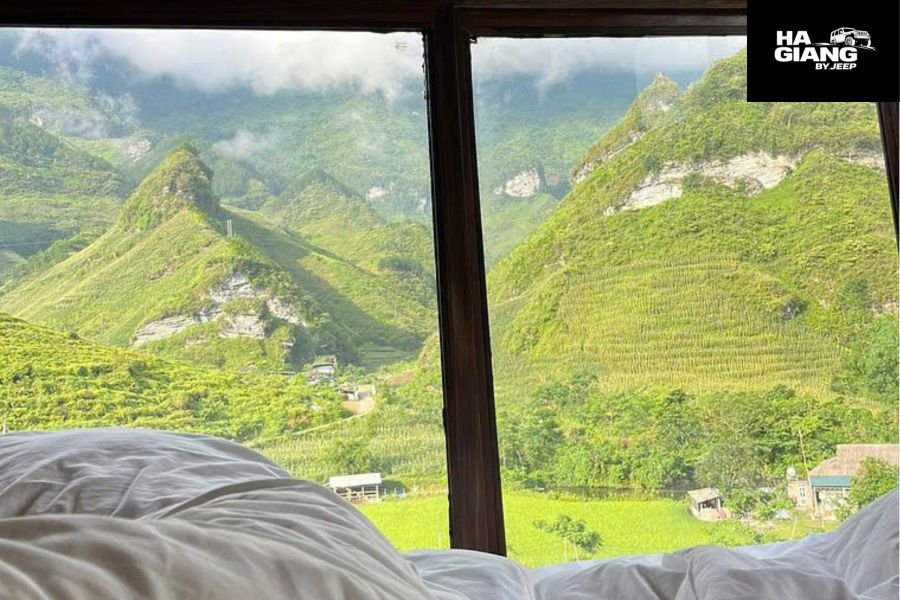
More tourists means some homestays feel like hostels. But it also means owners are practiced at hosting, facilities are well-maintained, and group energy is high.
Off-season offers quieter experience but potentially inconsistent quality.
Booking Strategy: Jeep Tours vs. Independent
Booking With a Private Jeep Tour
This is the simplest approach. Your accommodation is pre-booked and included. You don't search for rooms or negotiate. Your driver knows the owners. Quality is consistent because the tour company has relationships.
For a 4-day Ha Giang Loop tour, accommodation is typically: Night 1 in Yen Minh homestay, Night 2 in Dong Van homestay, Night 3 in Meo Vac homestay. For 5-day Cao Bang extension tours, you add nights in different homestays in Cao Bang region.
The cost is built into the tour price. You know exactly what you're getting.
Booking Independently
Booking on your own requires research, communication, and flexibility. You might find cheaper options or niche places the tour companies don't use. But you're also navigating language barriers and risking inconsistent quality.
Independent booking makes sense if you're staying multiple nights in one location. Short tours are better handled through tour companies.
Flexibility Trade-Offs
Tour packages are fixed: you stay where the itinerary says. Independent booking lets you change plans. If you find a village you love, you could stay longer. This flexibility comes at the cost of planning overhead.
Food at Homestays
Breakfast
Most homestays provide simple breakfast: rice porridge with ginger, fried bread, boiled egg, pickled vegetables, fruit (banana or mandarin), and strong Vietnamese coffee (ca phe den—black coffee with condensed milk).
Vegetarian breakfasts are standard (just eggs instead of meat). Timing varies—typically 7-8 AM before tour starts.
Dinner (Family Meals)
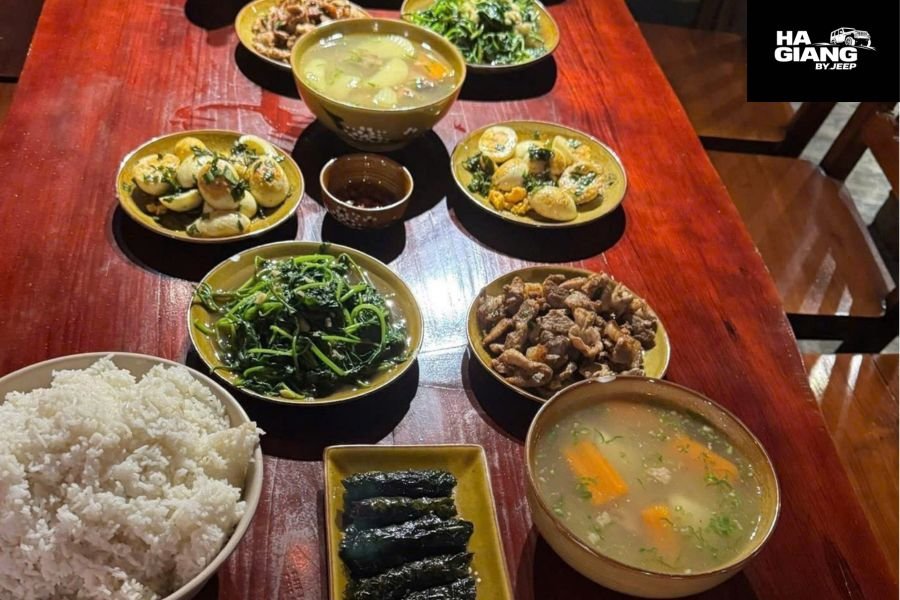
Dinner is the main meal and most interesting. You eat communal-style: a long table with shared dishes in the center. Rice arrives first, then vegetable dishes, protein, and soup.
Typical homestay dinners include com tam (rice with turmeric color), canh chua (tamarind soup with fish), sautéed morning glory or water spinach, boiled or steamed protein (chicken, pork, or rarely beef), and pickled vegetables.
Portions are generous, flavoring is mild (not spicy unless you request). These are family recipes, not restaurant food.
Special Dishes and Breakfast Spread
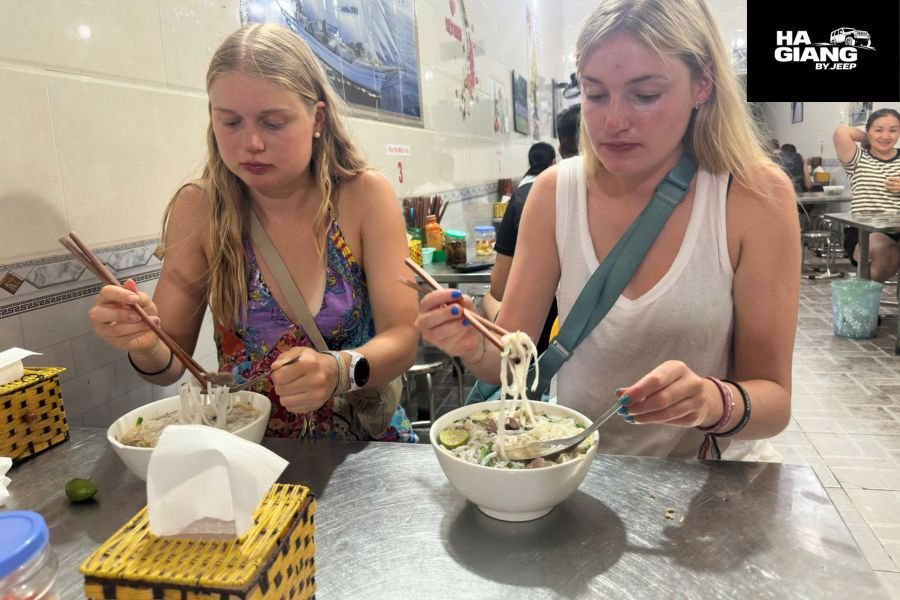
Dong Van is known for com lam (rice cooked in bamboo), often served as a snack. Yen Minh features local herbs. Meo Vac has mountain specialties like thang den (organ meat stew) and game meats—you'll either love it or prefer to skip it, and that's okay.
Dietary Restrictions
Vegetarian: Doable. Most families can prepare meals without meat if told in advance.
Vegan: Harder because dairy and fish sauce are staples. Mention it at booking; homestays will try, but expect limited options.
Gluten-free: Challenging in rural areas where rice and wheat are standard. Bring backup snacks if this is critical.
Allergies: Take seriously. Communicate clearly to avoid cross-contamination.
Common Mistakes About Accommodation
Mistake 1: Expecting Luxury
If you book a homestay expecting a hotel room with air conditioning and WiFi, you'll be disappointed. Homestays are exactly that: home. Basic, authentic, sometimes uncomfortable. Go in with realistic expectations and you'll love it.
Mistake 2: Not Confirming Amenities
Don't assume hot water, WiFi, or private bathrooms exist. Confirm these details when booking. A simple email asking "Do you have hot water?" prevents morning surprises.
Mistake 3: Booking Too Far in Advance Without Research
Homestay owners sometimes overstate amenities online. Booking through a known tour company is safer than random websites. If you book independently, read recent reviews carefully.
Mistake 4: Not Accounting for Altitude Effect
Sleep quality suffers at high altitude, even if the room is fine. Your body adjusts, but nights 1–2 might be light or fitful. This is normal and temporary, not the homestay's fault.
Mistake 5: Demanding Changes Mid-Tour
If you're uncomfortable, communicate kindly but clearly. Homestay families will often help—moving you to a warmer room, providing extra blankets, changing meal timing. But expecting major changes (like a different room entirely) mid-tour is unrealistic.
Mistake 6: Treating Homestays as Photo Opportunities
Don't ask to photograph everything for Instagram. Families are gracious, but constant photo requests feel invasive. Ask permission, take a few shots, then put the camera away and be present.
Which Jeep Tour Includes What?
| Tour Duration | Accommodation Nights | Locations |
|---|---|---|
| 3 Days, 2 Nights | 2 nights homestay | Yen Minh + Dong Van or Meo Vac |
| 4 Days, 3 Nights | 3 nights homestay | Yen Minh, Dong Van, Meo Vac |
| 5 Days, 4 Nights | 4 nights homestay | Ha Giang + Cao Bang region |
| 6 Days, 5 Nights | 5 nights homestay | Extended Ha Giang + Cao Bang |
3 Days, 2 Nights Loop Tour
Night 1: Yen Minh homestay. Night 2: Dong Van or Meo Vac homestay.
You spend most time driving, less time settling. Homestays are popular spots, well-organized.
4 Days, 3 Nights Loop Tour (Most Popular)
Night 1: Yen Minh homestay. Night 2: Dong Van Old Quarter homestay. Night 3: Meo Vac homestay.
This pace is ideal. You're not rushed, you spend quality time in key locations, and you experience varied accommodation.
5 Days, 4 Nights Ha Giang + Cao Bang
Ha Giang nights: Yen Minh, Dong Van, Meo Vac (or similar). Cao Bang nights: Ban Gioc area homestay or Cao Bang City guesthouse.
Extended option adds new geography. Accommodation varies based on Cao Bang routing.
6 Days, 5 Nights Ha Giang + Cao Bang
Most leisurely option. You spend 2–3 nights in key locations, allowing deeper exploration and relationship-building with host families.
Jeep Wrangler Self-Drive Rental
If you're renting a Jeep Wrangler and driving independently, accommodation is entirely your choice. You book all homestays directly or through booking websites. Flexibility is high; planning overhead is significant.
FAQ: Your Accommodation Questions Answered
Ready to Book Your Ha Giang Jeep Tour?
Now that you know where you'll stay, it's time to experience it. Whether you prefer the comfort of Yen Minh town homestays or the authenticity of Meo Vac's remote mountain setting, your accommodation is part of the adventure.
A private jeep tour handles all logistics: your driver knows the owners, your rooms are confirmed, and your meals are included. No stress about booking, no surprises about quality. You show up and immerse yourself.
The mountains of Ha Giang aren't going anywhere. But homestay families who'll welcome you into their lives, feed you their food, and show you genuine hospitality? That's time-sensitive. Peak season books out. Families remember travelers fondly. Off-season offers peace and quieter connection.
Which tour fits your timeline and comfort level?
3 Days, 2 Nights — Perfect for tight schedules. You hit major highlights: Ma Pi Leng, Dong Van, and cloud-hunting at Quan Ba.
See 3-Day Tour4 Days, 3 Nights — The Goldilocks option. Full Ha Giang Loop, no rushing, quality homestay time. Most travelers choose this.
See 4-Day Tour5 Days, 4 Nights — Add Cao Bang and Ban Gioc Waterfall. Different geography, different homestays, more discovery.
See 5-Day Tour6 Days, 5 Nights — Maximum flexibility and immersion. You're not rushing. Homestay families get to know you. You see sunrise and sunsets in multiple locations.
See 6-Day TourLet's Get You Booked
WhatsApp us: +84 862 379 288 or +84 938 988 593
Email: booking@hagiangbyjeep.com
Or contact us here and we'll get back to you within hours.