
Travel from Ha Giang to Sapa
Ha Giang to Sapa: Geography & Distance
Before you plan your route, let's be clear about geography. Ha Giang and Sapa aren't neighbors.
Ha Giang is in the far northeast of Vietnam, sitting at the edge of the border with China, known for limestone karst mountains and the famous Ha Giang Loop. Sapa is further north and slightly west, perched at 1,600 meters elevation in the Hoang Lien Son mountain range.
The straight-line distance between Ha Giang City and Sapa Town is roughly 200 kilometers. But "straight line" is a fantasy in these mountains. Actual road distance depends entirely on your route.
Direct route (Ha Giang City → Sapa): approximately 250–280 km, taking 6–8 hours by jeep (with stops).
Loop-first route (Ha Giang Loop → Cao Bang → Sapa): adds 400–500 km over 5–6 days, but this is the route most travelers choose because you experience two UNESCO Global Geoparks, not just the drive.
The key difference: you can rush from Ha Giang to Sapa in a day, or you can live the mountains for a week. Most people regret rushing.
Transportation Options Compared
Option 1: Bus (Budget, Exhausting)
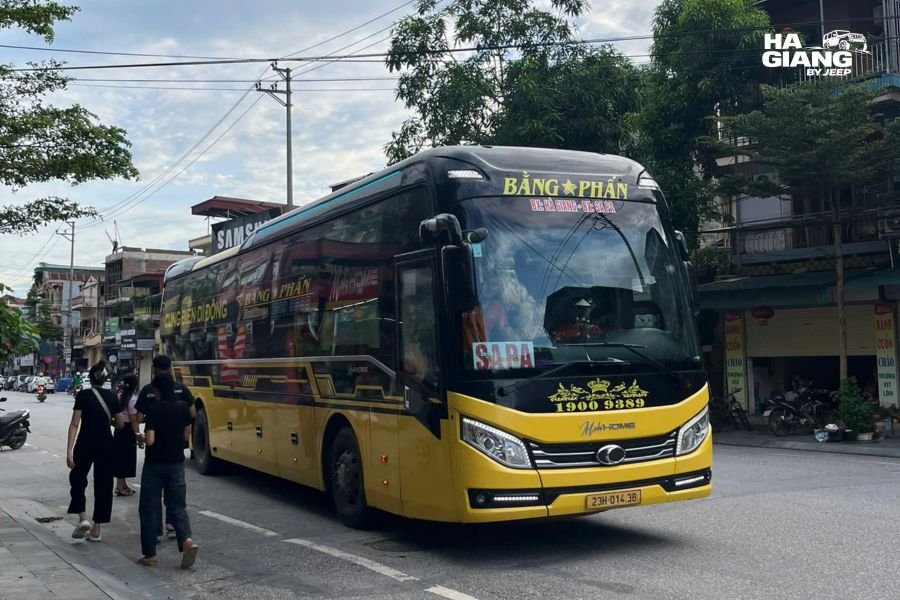
Ha Giang has a bus station in the city center. Buses run to Sapa daily, usually departing 5–6 AM and arriving around 3–4 PM. Cost is roughly 300,000–400,000 VND (12–16 USD). The bus is crowded, bathrooms are basic (stops are infrequent), and the road is genuinely rough in places.
Pros: Cheapest option. You don't drive or navigate.
Cons: Cramped seating, no control over timing or stops, you'll miss most of the scenery because the bus blasts through at speed, bathroom stops are rushed, and 8–10 hours of sitting upright is genuinely painful if you're over 40 or traveling with kids.
Who books this: Backpackers on strict budgets, people who've done the loop before, locals.
Reality check: We've had travelers book a bus and regret it by hour 3. The money you save (roughly 20–30 USD) isn't worth the discomfort.
Option 2: Motorbike Rental (Freedom, High Risk)
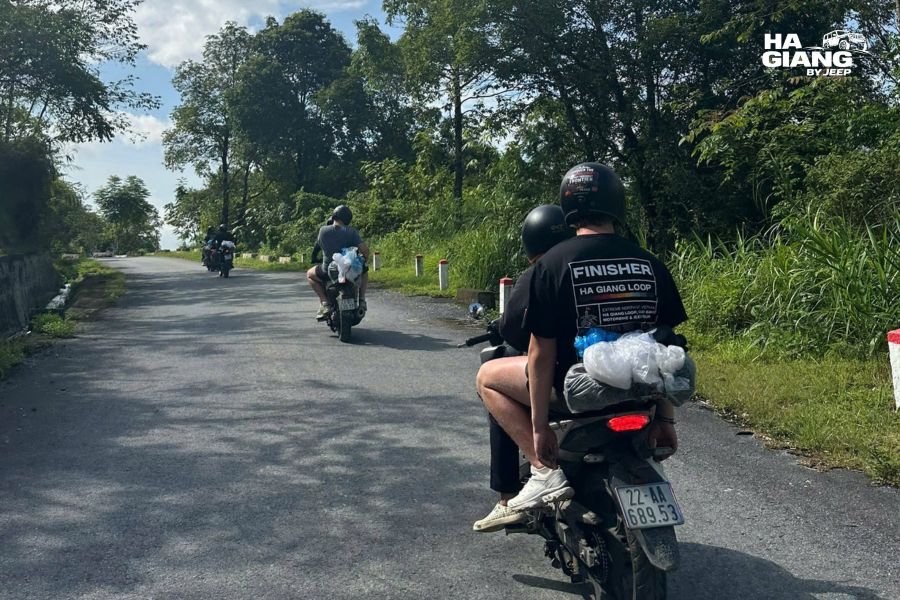
You can rent a motorbike in Ha Giang City for roughly 150,000–250,000 VND per day (6–10 USD). Roads are paved but winding. Weather is unpredictable. Night driving is common in summer when daylight stretches late.
Pros: Ultimate flexibility. Stop whenever you like. Feel the wind. Sense of independence.
Cons: If you're not an experienced rider on mountain roads, this gets scary fast. Road conditions deteriorate suddenly. Landslides happen in rainy season. If you fall, there's no airbag. If you get tired, you still have to ride. If you want to try local corn wine (ruou ngo) at a roadside stall, you can't drink and ride. Parking is always a worry in busy areas.
Who books this: Experienced riders, adventure seekers who've done similar routes, solo travelers who've tested themselves.
Honest assessment: A motorbike gives you freedom, but it also demands focus and physical stamina the entire way. It's not relaxation.
Option 3: Private Jeep Tour (Comfort Meets Flexibility) ⭐
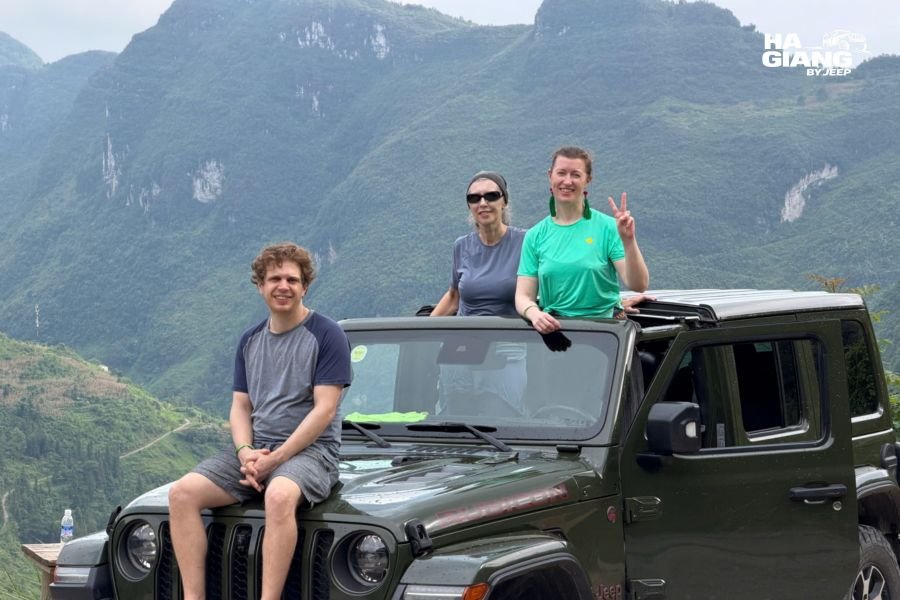
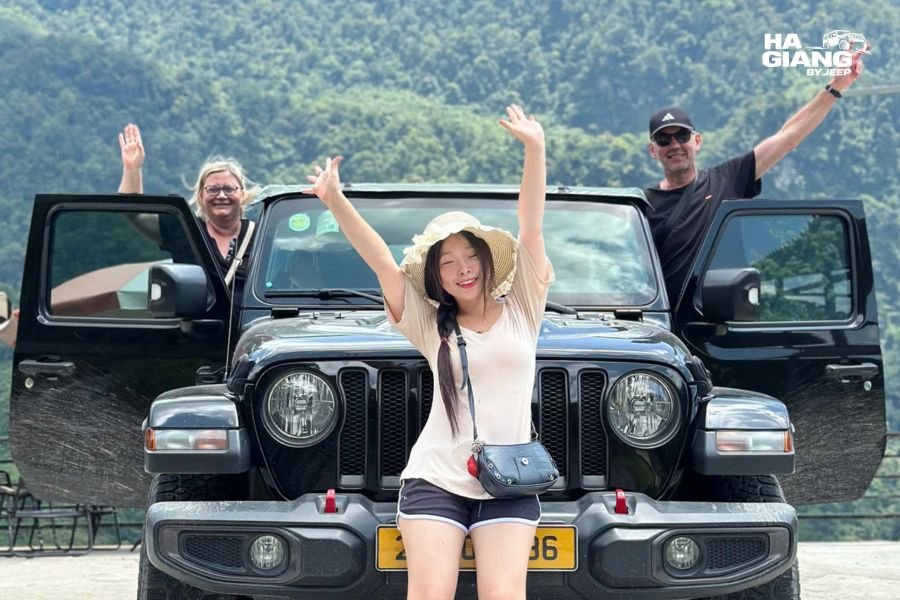
Book a private jeep tour with an English-speaking local driver. You travel in a Jeep Wrangler Rubicon with an open roof (soft-top in bad weather), sit comfortably with 3–5 other passengers (or just your group if it's private), stop whenever you want, eat what you want, and your driver knows the best local spots.
For the longer journey, combine the Ha Giang Loop jeep tour (4 days) with a drive to Sapa, or book a 5-day Ha Giang and Cao Bang tour that finishes near Sapa.
Pros: Comfort (back support, climate control, soft-top), flexibility (stop for photos, food, coffee), safety (professional driver), expertise (driver knows the road and culture), perfect for families and older travelers, no stress about navigation or fatigue.
Cons: Higher cost than bus or self-drive rental, but significantly lower cost than typical organized tours. You share the jeep with 3–4 others (or keep it fully private).
Who books this: Couples wanting to focus on scenery rather than stress, families with kids or elderly members, travelers over 50, anyone who doesn't want to ride a motorbike.
Why it wins: A jeep gives you 80% of the freedom of a motorbike with 80% less stress and fatigue. You can stop for street food without guilt. Your driver handles the route. You see everything.
The Jeep Option: Comfort Without Sacrifice
A private jeep combines comfort, flexibility, and expertise. You stop whenever you want, eat what you want, and your driver navigates the mountain roads.
Why a Jeep Tour is the Sweet Spot for Most Travelers
Here's the thing no one says: driving mountain roads in Vietnam is genuinely exhausting, even if the distance is short. Your shoulders tense. Your neck aches. The constant focus on narrow turns and oncoming traffic drains mental energy.
A private jeep tour removes that fatigue. You watch the karst mountains rise and fall. You spot villages tucked into valleys. You stop to chat with a linen weaver or eat com lam (bamboo rice) at a roadside stall. Your driver navigates. You experience.
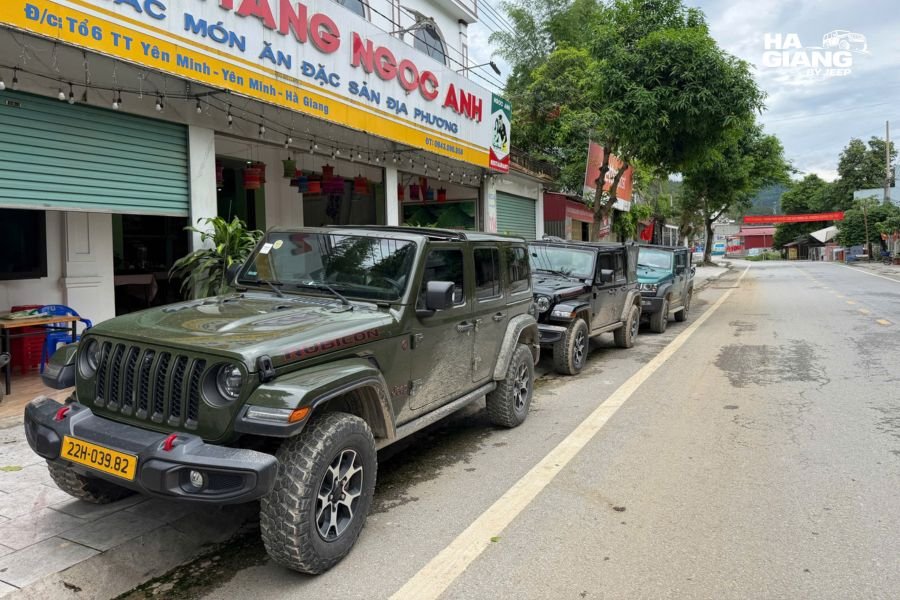
For families: Kids get bored in a bus or uncomfortable on a bike. In a jeep, they can stand up through the soft-top, take photos, and actually engage with what they're seeing.
For older travelers: A jeep has suspension that cushions bumps better than a bus seat. You can ask to stop whenever you need a bathroom or stretch break. No judgment. No schedule pressure.
For non-riders: If you've never ridden a motorbike or don't want to learn on unfamiliar roads, a jeep is the only option that doesn't feel like settling.
For foodies: Private jeep means you can stop at a random street vendor, eat slowly, and actually taste the food instead of gulping it during a rushed bus stop.
What You'll Experience: The Ha Giang Loop Route
Most travelers heading to Sapa actually do the Ha Giang Loop first. It's worth understanding what you'll see, because it frames the entire journey.
Dong Van Old Quarter & Karst Plateau
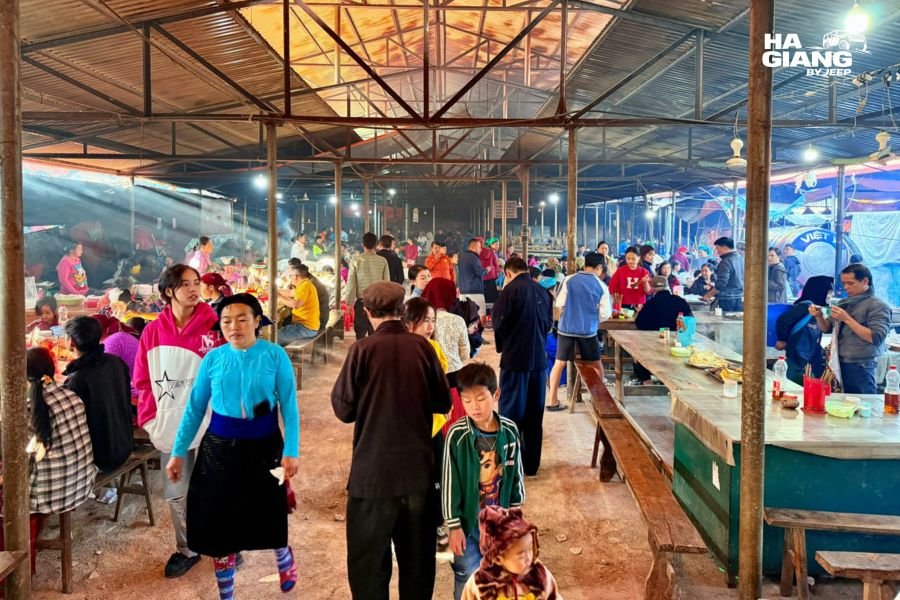
Dong Van sits at the entrance to the Ha Giang Loop. The Old Quarter is a UNESCO World Heritage site: narrow stone lanes, colonial-era buildings, locals living as they have for centuries. On Sunday mornings, the market explodes with vendors selling everything from vegetables to corn wine to handmade textiles.
A private jeep means you can arrive early, walk the empty streets before tourists swarm, and eat breakfast at a family-run cafe instead of being herded through a tour group.
Ma Pi Leng Pass & Mountain Passes
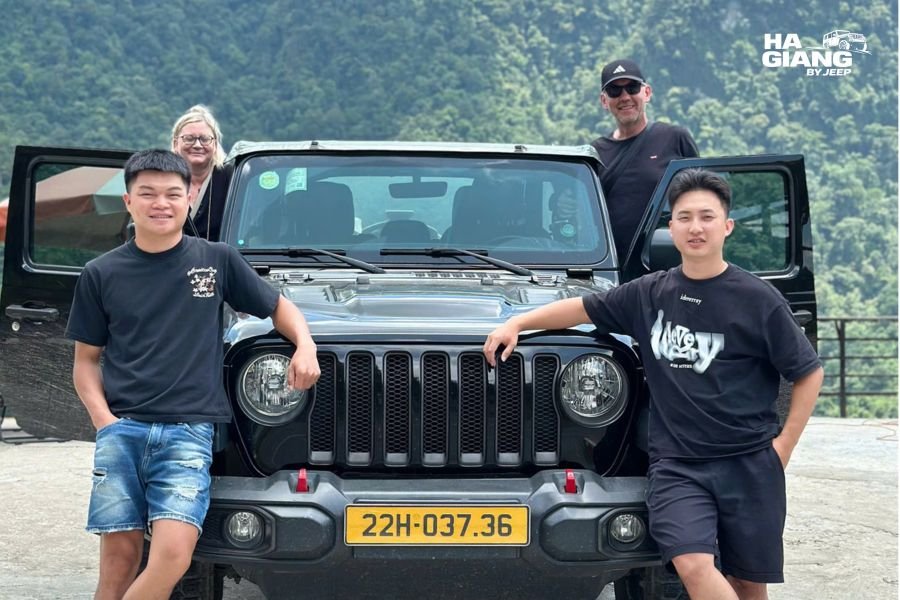
Ma Pi Leng is the crown jewel. It's a mountain pass at 1,900 meters where the road literally zigzags down a cliff face. Locals call it one of the top 10 most dangerous drives in the world. It's also one of the most beautiful.
In a jeep, you experience this without gripping the steering wheel. You can actually look out the window. A good driver knows where to pause for the best photos. You don't rush through.
Other passes you'll cross: Khau Vai (where there's a famous love market—yes, really), Quan Ba (with a view that looks like two breasts, hence the name "Breast Mountain"). These aren't just roads. They're iconic in Vietnam.
Local Homestays & Real Mountain Life
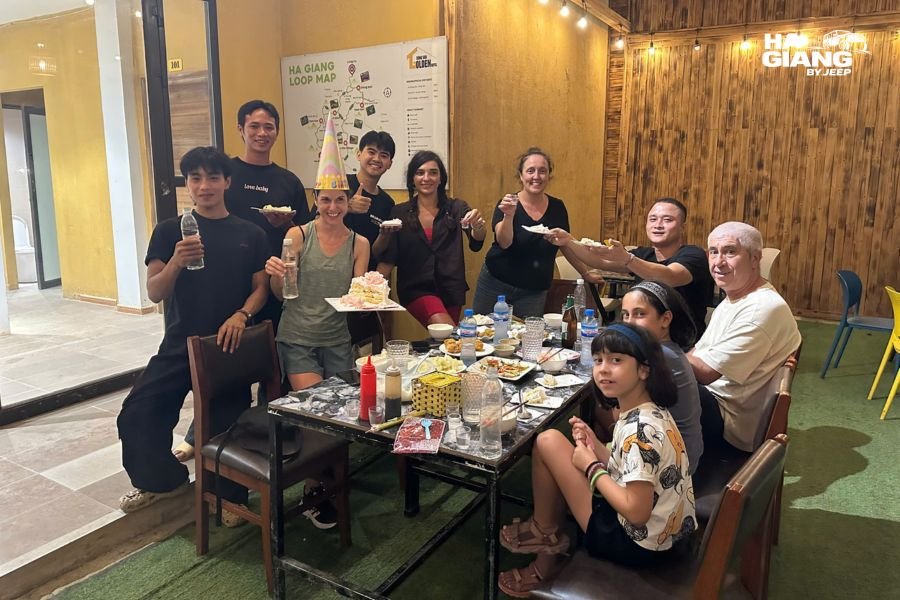
The Ha Giang Loop 4-day jeep tour includes nights in family-run homestays in Yen Minh, Dong Van, and Meo Vac. You eat dinner with the family. You sleep in a simple but clean room. You wake to roosters and mountains.
This is where travel stops being tourism and becomes exchange.
Sapa: What Actually Awaits You
Sapa has a different energy than Ha Giang. It's higher, colder, more developed, and far more touristy.
Trekking Options & Hiking Reality
Sapa is famous for trekking. People imagine hiking through rice terraces in mist, visiting H'Mong villages, and finding authentic culture. Some of that is real. Much of it has been repackaged for tourists.
Most Sapa treks range from 4–8 hours. They're genuinely steep and muddy, especially in rainy season (May–September). If you're not a regular hiker, your legs will protest. If you're over 50 without serious fitness, you should know that before you book.
Popular treks: Fansipan (Vietnam's highest peak, 3,143 meters—a full-day trek or cable car option), Muong Hoa Valley (less crowded, still steep), Sin Chai village (moderate, popular among older travelers).
Markets, Food & Tourist Infrastructure

Sapa Town has a proper market, restaurants catering to Westerners, hotels ranging from budget to luxury, and reliable WiFi. It's more organized than Ha Giang. If you need Western food after a week of Vietnamese meals, Sapa has it.
The Saturday night market is crowded and atmospheric—local people, travelers, stalls selling everything from vegetables to handicrafts. It's genuinely worth experiencing, but go early (6–7 PM) before the chaos peaks.
Weather & Seasonal Considerations
Sapa is cold. Even in summer, evenings dip to 12–15°C. Winter (December–February) can hit 5°C or below. If you come from hot Ha Giang, the temperature swing is noticeable. Bring layers.
Rainy season (May–September) means clouds, mist, and slippery trails. Visibility for photos can be zero. But the landscape is vivid green, and the quiet is profound.
Sample 5–6 Day Itinerary: Ha Giang → Sapa
Days 1–3: Ha Giang Loop by Jeep
Book a 4-day Ha Giang Loop jeep tour. You'll drive through the loop, stay in homestays, visit Dong Van Old Quarter, cross Ma Pi Leng Pass, and explore Meo Vac.
This is immersion, not rushing.
Days 4–5: Jeep Drive to Sapa (or Extend with Cao Bang)
After the loop, you have two choices:
Option A (Direct to Sapa): Drive from Ha Giang to Sapa in one long day (6–8 hours with stops). It's possible and scenic, but tiring.
Option B (Add Cao Bang): Take a 5-day Ha Giang and Cao Bang tour instead. Spend an extra night in the Cao Bang region, visit Ban Gioc Waterfall (on the Vietnam-China border), and then drive to Sapa on Day 5. This breaks up the journey and adds another UNESCO site.
Day 6: Sapa Exploration
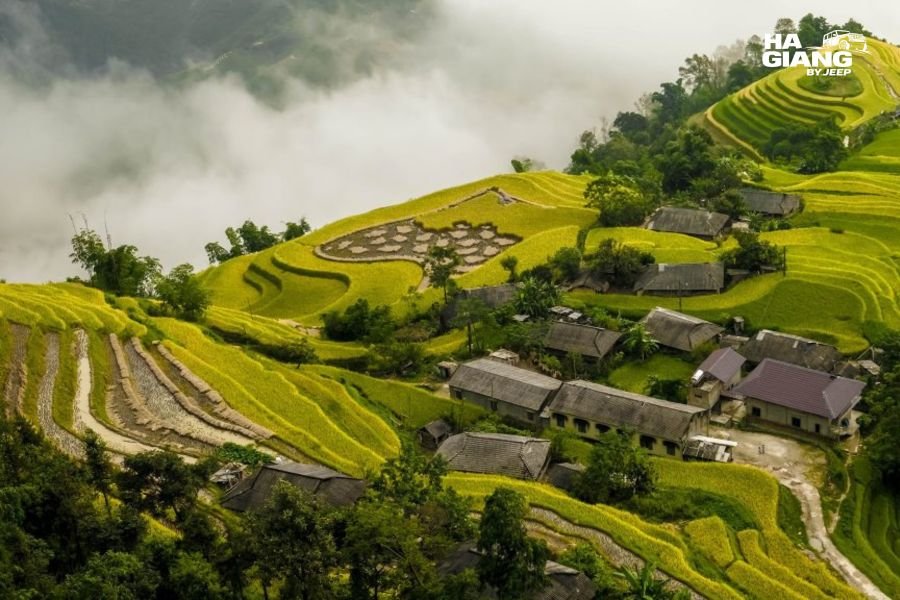
Arrive in Sapa, settle into accommodation, and explore the town. If you're trekking, most operators start treks early (6–7 AM), so you'll be out of town by breakfast.
Costs Breakdown
Transportation costs vary wildly by option.
| Option | Cost Range | Best For |
|---|---|---|
| Bus | 300,000–400,000 VND (12–16 USD) | Budget-conscious travelers |
| Motorbike Rental (6 days) | 1.5–2.5 million VND (60–100 USD) | Experienced riders |
| Jeep Tour (4 days) | 2–3 million VND (80–120 USD/person) | Couples, families, comfort-seekers |
| Jeep + Cao Bang (5 days) | 2.8–4 million VND (112–160 USD/person) | Extended journey, two UNESCO sites |
| Jeep Rental (self-drive) | 1.2–1.5 million VND/day (48–60 USD) | Confident self-driving travelers |
Bottom line: A private jeep tour costs 2–3x more than a bus but offers vastly less stress and more flexibility. For most travelers, it's worth every VND.
For pricing on specific tours, contact Ha Giang by Jeep or WhatsApp +84 938 988 593.
Safety & Road Conditions
Road Quality
Ha Giang to Sapa is all paved road, but conditions vary. Main highways are decent. Secondary roads in the loop are narrower, with no guard rails on cliff edges. It's normal here, not negligent.
Landslides can happen in rainy season (May–September), especially after heavy downpours. Road authorities close sections temporarily. It's rare but real.
In winter (December–February), some high passes can ice over early morning. But full closure is rare.
Driving Safety
If you're hiring a private driver through a jeep tour company, they're experienced on these roads (they drive them constantly). They know what to do if weather deteriorates or if a landslide blocks the way.
If you're renting a motorbike or driving yourself, you need to be confident on narrow mountain roads with oncoming traffic. Night driving isn't safe unless you're very experienced.
Altitude & Physical Demands
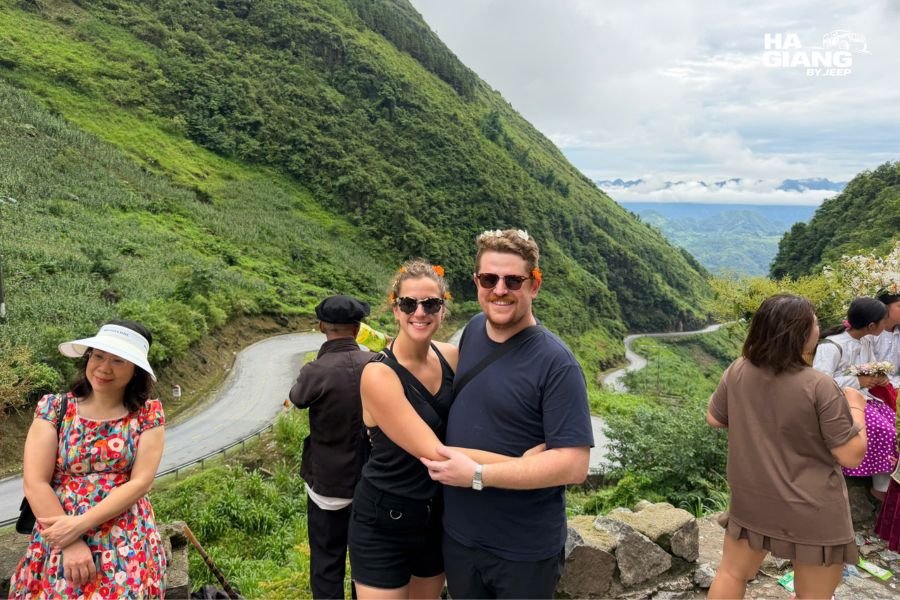
Both Sapa (1,600m) and high points in Ha Giang (1,900m+) are high enough that some people experience mild altitude effects: headache, fatigue, shortness of breath. It's usually mild and passes within hours. Staying hydrated helps.
If you have serious altitude sensitivity or cardio issues, mention it when booking. Your jeep driver can adjust pacing.
Common Mistakes & Misconceptions
Mistake 1: Assuming the Bus is Comfortable Because It's Cheaper
A bus saves money but costs comfort and time. An 8-hour bus ride leaves you too tired to enjoy Sapa on arrival.
Mistake 2: Thinking You Can Do the Loop in One Day
Technically possible. Practically miserable. You see nothing deeply. You spend the whole day in a vehicle. Skip this unless you have literally one day.
Mistake 3: Booking Sapa Accommodation Before Confirming Your Arrival Date
Road conditions or weather might delay you by a few hours. Book flexible accommodation or book only after you're sure of timing.
Mistake 4: Expecting Sapa to be Like Ha Giang (Untouched)
Sapa is more touristy and commercialized. That's not bad—it means better infrastructure. But if you're seeking pristine mountains, Ha Giang is the answer, not Sapa.
Mistake 5: Underestimating Sapa Treks
People see photos of scenic treks and book without checking difficulty level. Most Sapa treks are steep. If you're not a regular hiker, pick a moderate option or hire a local guide who can set a slower pace.
Mistake 6: Not Bringing Layers or Rain Gear
Ha Giang weather is unpredictable. Sapa is cold and often misty. Bring a light fleece, waterproof jacket, and long pants even in summer.
Which Jeep Tour is Right for You?
Option 1: Just the Ha Giang Loop (4 Days, 3 Nights)
Best for: Travelers with limited time (4–5 days total in the region), couples wanting focused experience, people who want to experience the loop deeply without rushing.
What you get: Full loop experience, homestays, all meals, driver expertise, no extensions.
Then travel to Sapa separately by bus or arrange a jeep drive (6–8 hours).
Option 2: Ha Giang Loop + Cao Bang (5 Days, 4 Nights)
5-day Ha Giang and Cao Bang jeep tour
Best for: Travelers with 6–7 days total, wanting to see two UNESCO Geoparks (Dong Van and Non Nuoc Cao Bang), interested in Ban Gioc Waterfall, comfortable with homestay accommodation.
What you get: Ha Giang Loop + drive to Cao Bang region + Ban Gioc visit + second UNESCO site. You finish in the Cao Bang area, closer to Sapa already.
Then drive to Sapa (3–4 hours from Cao Bang, much shorter than from Ha Giang).
Option 3: Extended 6 Days, 5 Nights
6-day Ha Giang and Cao Bang jeep tour
Best for: Travelers with a full week, wanting the most immersive experience, willing to spend multiple nights in homestays, want to explore without rushing.
What you get: Everything from 5-day option, plus an extra night in Cao Bang for deeper exploration, possibility of visiting less-touristy villages, more breakfast/dinner interactions with host families.
Then relax or day-trip in Sapa before flying out.
Option 4: Jeep Rubicon Rental (Self-Drive)
Best for: Confident drivers, experienced adventurers, people who want complete control over route and timing, groups willing to manage logistics themselves.
What you don't get: Guided expertise, cultural introduction, stress-free navigation.
Cost: Higher per day, but no guide markup. Suits travelers doing 5+ days and wanting to mix jeep with other transport.
FAQ: Your Ha Giang to Sapa Questions
Ready to Book Your Ha Giang to Sapa Adventure?
You've got the information. Now comes the choice: rush from Ha Giang to Sapa in a day, or live the mountains properly?
Most travelers who choose the jeep tour option tell us it's the best decision they made. They see more, stress less, and actually remember the experience instead of just remembering being tired.
Choose Your Timeframe:
4 days? Book the Ha Giang Loop jeep tour, then arrange separate transport to Sapa.
5–6 days? Book the 5-day or 6-day Cao Bang combo, finish near Sapa.
Want to drive yourself? Rent a Jeep Rubicon for self-drive.
Get in Touch:
📱 WhatsApp: +84 938 988 593 or +84 862 379 288
📧 Email: booking@hagiangbyjeep.com
🌐 Contact Form: Get in Touch
Tell us your dates, group size, and preferences. We'll confirm availability and get you booked within 24 hours.
The mountains are waiting. Don't let budget pressure turn this into a rushed bus ride. You deserve the full experience.