
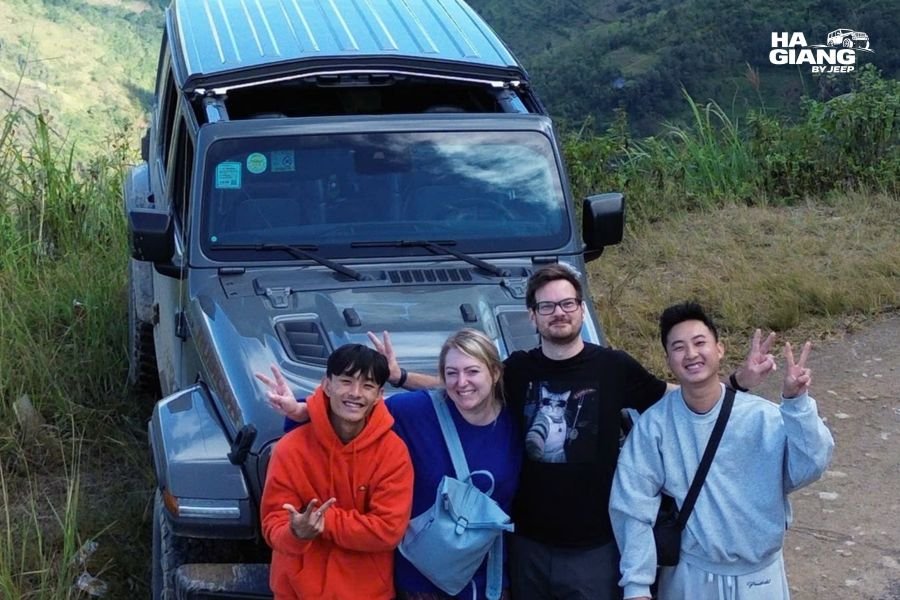
The Ha Giang Loop gets into people. Not in the way a tick-the-box destination does — in the way a place does when you feel, two hours after leaving, that you left too fast. If you are already thinking about returning to Ha Giang, that feeling is the reason. This guide is for what to do with it.
Ha Giang is not a destination that reveals itself in one pass. The main loop covers serious ground — Quan Ba, Yen Minh, Dong Van, Ma Pi Leng, Meo Vac — but covering ground and experiencing a place are different things. First-time visitors spend most of the loop in orientation mode: figuring out where they are, what they are looking at, and how to process a landscape that does not look like anywhere else in Southeast Asia. By the time the picture forms, the tour is usually ending.
Returning to Ha Giang is different from the start. The route is familiar. The anxiety of first contact is gone. What replaces it is the chance to actually be there — to stop at the villages you passed at speed, to eat at the roadside stalls you noticed but could not explain, to follow a track that heads somewhere the main road does not.
Why People Keep Coming Back
Ask anyone who has been to Ha Giang twice and you will hear a version of the same thing: "I felt like I didn't do it justice the first time." That is not a failure of the first trip — it is the nature of a landscape this dense. The Dong Van Karst Plateau UNESCO Global Geopark packs more variety into a few hundred kilometers of highland road than most destinations manage in an entire region.
The light changes hour by hour in ways that make the same viewpoint look different at 7am and 4pm. The villages that look quiet from the road open up into weekly markets, linen workshops, and family compounds that take time to understand. The highland food is richer than it first appears: com lam is sold everywhere along the loop, but the best version is at a stall the driver knows, not a roadside sign that catches a first-timer's eye.
Returning to Ha Giang is also logistically sensible. Ha Noi to Ha Giang City is covered in one sleeper bus overnight. The loop fits cleanly into a 4 to 6 day window. For travelers who are already in Vietnam for a second or third trip, adding Ha Giang again is one of the easiest decisions on the itinerary.

What Changes the Second Time
The practical changes are obvious: you know the route, you know the accommodation options, you know that Ma Pi Leng is not at the start of the loop so there is no point burning energy getting there. The less obvious change is psychological. First-time visitors on the Ha Giang Loop are almost universally in collecting mode — checking off viewpoints, counting mountains, tracking how many minority groups they have passed through. Second-time visitors tend to drop into something closer to observation mode.
This shift changes everything. You notice the detail work in the batik fabric hanging outside a house near Yen Minh. You realize the men playing card games at the Dong Van Old Quarter market are there every Sunday, not for tourists. You ask the driver what that field crop is and get a twenty-minute explanation of corn wine production that becomes one of the best conversations of the trip.
- Add at least one full day to their previous tour length
- Ask the driver to stop at a market, not just a viewpoint
- Eat at least one meal from a roadside stall the driver recommends
- Visit at least one village or workshop on a detour off the main road
- Go in a different season from their first visit
None of this requires a different route. It requires the same route with more time and less urgency. That is exactly what adding a day delivers.
Upgrade from 3 Days to 4 Days
The 3 days tour is the right format for most first-time visitors: focused, complete, and efficiently covers the core loop without overstaying any single section. For a second visit, the same logic does not apply. You have already done the highlights. What you want now is what the 3 days tour had to cut.
The 4 days tour adds Lung Cu Flagpole on the border, more time in the valleys between Dong Van and Meo Vac, and the quieter section of the loop through Sung La and Pho Bang that most 3 days itineraries move through quickly. It also creates space for a proper stop at Dong Van Sunday Market if the timing aligns, and for detours to Lung Tam linen village near Quan Ba on the way back.
The pace difference between 3 days and 4 days is not about covering more distance — the route is similar. It is about having time to stop at something that was not in the original plan, which on a private jeep tour happens whenever you and the driver decide it should.
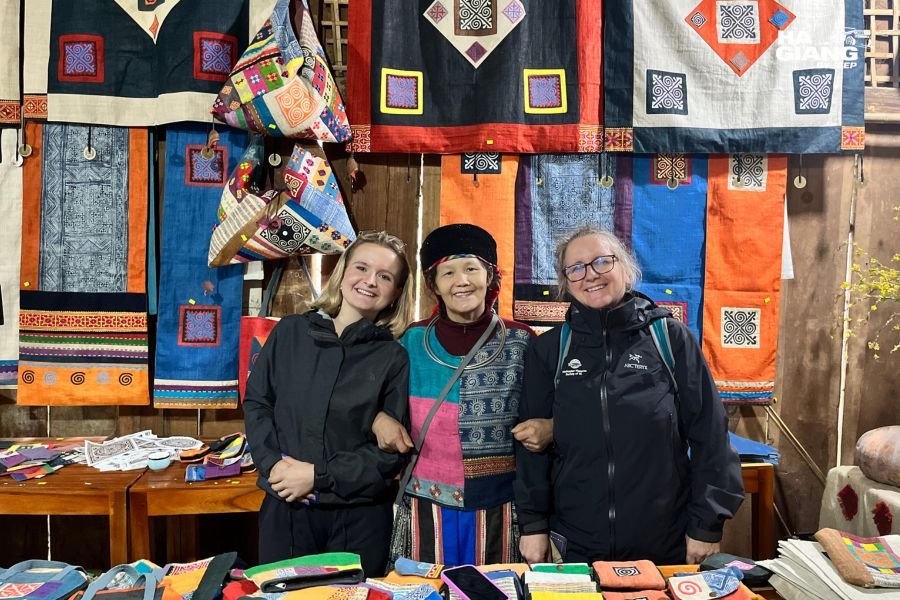
Add Cao Bang: The Logical Next Step for Returning Visitors
If you have done the Ha Giang Loop and want to understand what returning to Ha Giang can actually mean at the landscape level, the Cao Bang extension is the answer. It is not more of the same. Cao Bang province is a different geology, a different kind of highland, and a second UNESCO Global Geopark — the Non Nuoc Cao Bang Geopark — that feels almost nothing like the Dong Van Karst Plateau.
The Ha Giang Loop is built on limestone: sharp karst peaks, dry highland plateaus, the grey-white vertical drama of Ma Pi Leng above the Nho Que River gorge. Cao Bang runs on basalt: softer mountains covered in denser forest, wide valleys, and waterfalls that do not exist in limestone country. Ban Gioc Waterfall on the Vietnam and China border is in a category of its own — the kind of place that makes the Cao Bang extension worthwhile even if that were the only stop.
What Cao Bang Adds
The largest waterfall in Vietnam, straddling the border with China in Trung Khanh district. The falls are genuinely wide — the kind of scale that takes a moment to register. Access is straightforward from the overnight stay in the area, and the bamboo boat trip into the base of the falls is worth the extra hour. Arrive early or late in the day to avoid the peak crowd window.
An extinct volcanic crater lake set at altitude in Ngan Son district, the geological centerpiece of the Non Nuoc Cao Bang UNESCO Global Geopark. The view down into the crater is unlike anything on the Ha Giang Loop. It sits at a road junction that connects to Bao Lac, one of the natural endpoints for the full highland circuit.
A series of hairpin switchbacks in the Cao Bang backcountry between Ma Pi Leng and the Bao Lac valley. Less famous than the main loop passes but genuinely dramatic — open views, tight turns, and almost no other vehicles. This is the kind of road that justifies the whole extension for drivers and passengers alike.
The cave and spring in Truong Ha commune where Ho Chi Minh lived in secret during the early resistance movement in 1941. It is a quiet, forested site that most visitors on the Cao Bang extension find surprisingly atmospheric. The surrounding valley is remote enough that the visit rarely feels crowded.
A wide highland valley in Nguyen Binh district, ringed by basalt peaks and fed by multiple streams from the surrounding range. The valley is lightly visited compared to Ban Gioc and provides the kind of open highland panorama that feels earned after the tight karst of the Ha Giang Loop. Best in morning light.
5 Days or 6 Days Cao Bang: Which to Choose
The 5 days tour covers both regions in a focused circuit: the Ha Giang Loop through Dong Van and Ma Pi Leng, then south through the 15 step pass into Cao Bang, overnight near Ban Gioc, and exit through Pac Po. It is well-paced and feels complete without being rushed.
The 6 days tour adds a full extra day in Cao Bang province — enough to include Ngoc Con Valley, more time at God's Eye Mountain, and a morning at Ban Gioc before the crowds arrive. For anyone returning to ha giang specifically to see Cao Bang properly, the 6 days version is the better investment. Both tours end in Cao Bang or Ban Gioc area rather than returning to Ha Giang City, which connects efficiently to Ha Noi by sleeper bus.
Returning visitors often find the Cao Bang extension changes the whole shape of the trip. The team at Ha Giang by Jeep can adjust pacing based on what you have already seen and what you want to slow down for — something worth mentioning when you first contact them.
Off-the-Beaten-Path Spots Most First-Timers Miss
The main Ha Giang Loop passes near a number of places that rarely appear on a 3 days itinerary but are genuinely worth time on a second visit. These are not tourist constructions — they are places that exist independently of the loop road and happen to be reachable from it.
Lung Tam Linen Weaving Village
Near Quan Ba on the southern section of the loop, Lung Tam is a Hmong village where women have woven linen fabric from flax for generations. The process is entirely by hand: spinning, dyeing, and weaving on traditional looms. Visiting takes about an hour and rarely involves a crowd. The finished fabric is sold in the village, and the dyeing uses indigo and other natural plants rather than synthetic dyes. It is one of the most grounded cultural stops on the Ha Giang circuit and one of the first to get cut when the schedule is tight.
Khau Vai Love Market
Held once a year in Khau Vai commune near Meo Vac, the Khau Vai Market is one of the most distinctive cultural events in the northern highlands — a gathering rooted in a tradition of allowing former lovers to meet without judgment, once per year. If the timing aligns with your second visit (usually late March or early April, though dates follow the lunar calendar — check local updates before planning around it), it is worth adjusting the itinerary to include. Outside market day, the commune is quiet but the valley itself is worth the detour.
Sung La Valley and Pho Bang Village
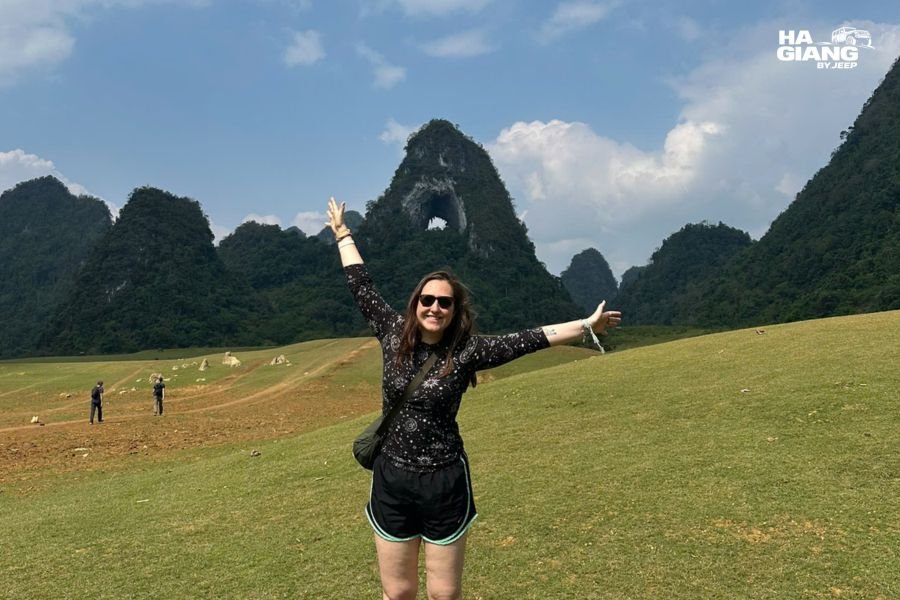
Between Dong Van and the main loop road, the valley of Sung La opens into a wide, relatively flat highland basin — unusually open by Ha Giang standards. Pho Bang is a Tay minority village with a long history of cross-border trade, visible in its architecture and in the quiet market that still runs on certain days. Neither is a destination on a typical 3 days itinerary, but on a 4 days tour with a second-time visitor who knows the main route, they are the kind of detour that becomes a highlight.
Du Gia and the Nho Que River Below
Most visitors see the Nho Que River from above — from Ma Pi Leng pass, looking down at the turquoise water 1,000 meters below. Du Gia allows access to the river at valley level, and from there a boat trip through the lower section of the Tu San gorge is possible. The view looking up at the canyon walls from water level is completely different from the overlook most people photograph. Du Gia is a slight detour from the main loop near Meo Vac; the route back connects through the southern approach rather than backtracking.
Go in a Different Season
If your first trip was in autumn (September to November), you experienced the loop at its most photographed: golden rice terraces, dry weather, clear skies over the karst peaks. That version of Ha Giang is genuinely spectacular. It is also the busiest and the most booked in advance.
Returning to Ha Giang in a different season is one of the more effective ways to feel like you are seeing the place for the first time again.
| Season | Months | What Makes It Different | Best For |
|---|---|---|---|
| Autumn | Sep–Nov | Golden rice terraces, clearest skies, peak demand | First-time visitors; bucket-list photography |
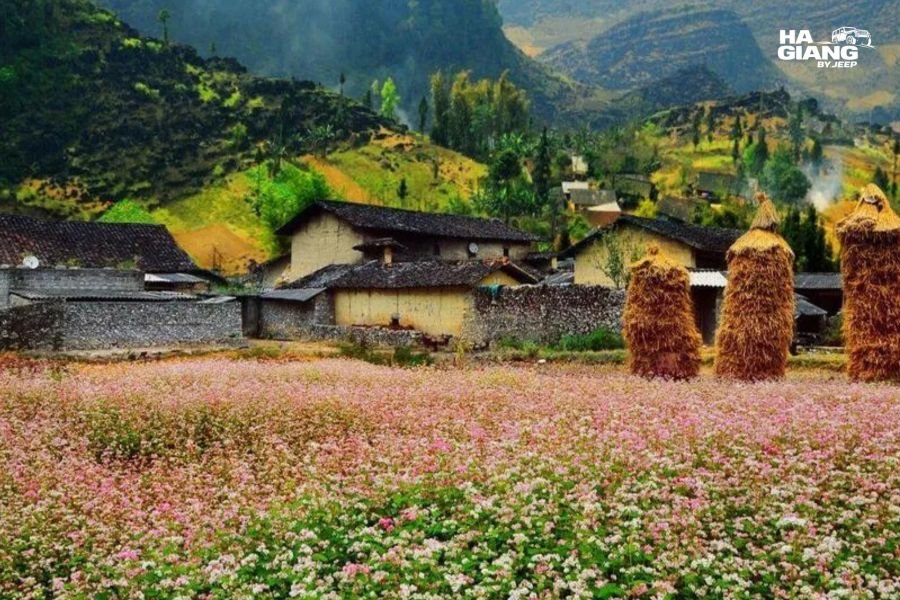
| Spring | Mar–Apr | Buckwheat flowers near Dong Van; pink-white blooms on karst | Repeat visitors who did autumn first |
| Winter | Dec–Feb | Frost on limestone, cold but clear, nearly empty loop roads | Photographers; anyone wanting solitude |
| Wet Season | May–Aug | Cloud, mist, waterfalls running full, vivid green | Travelers returning to Ha Giang for atmosphere over panoramas |
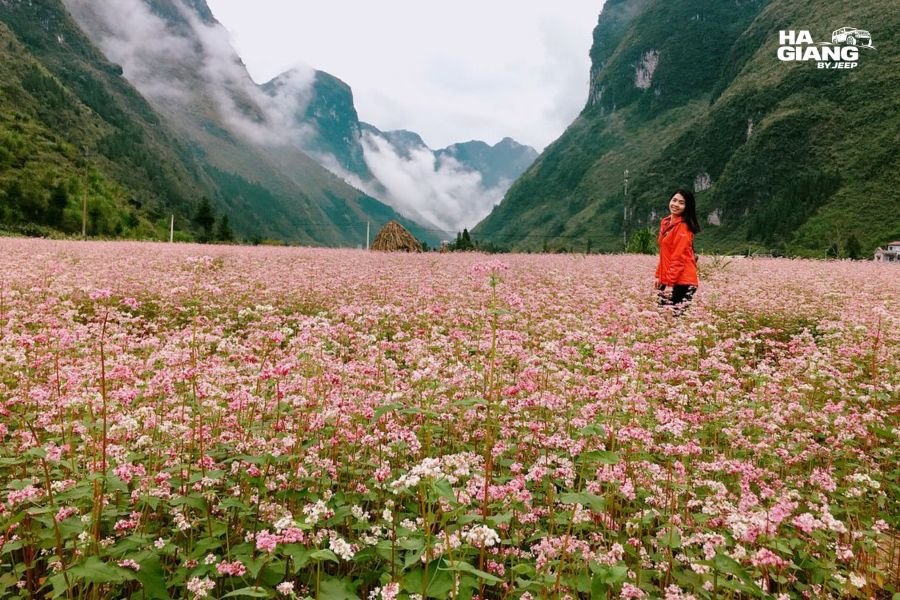
Spring buckwheat deserves a note: the flowers bloom for a few weeks around March and April in the fields near Dong Van and Meo Vac. The pink blooms against grey limestone in morning light is a genuinely different version of the Ha Giang Loop from the autumn golden terraces most people associate with the region. Some repeat visitors specifically time their return for this window.
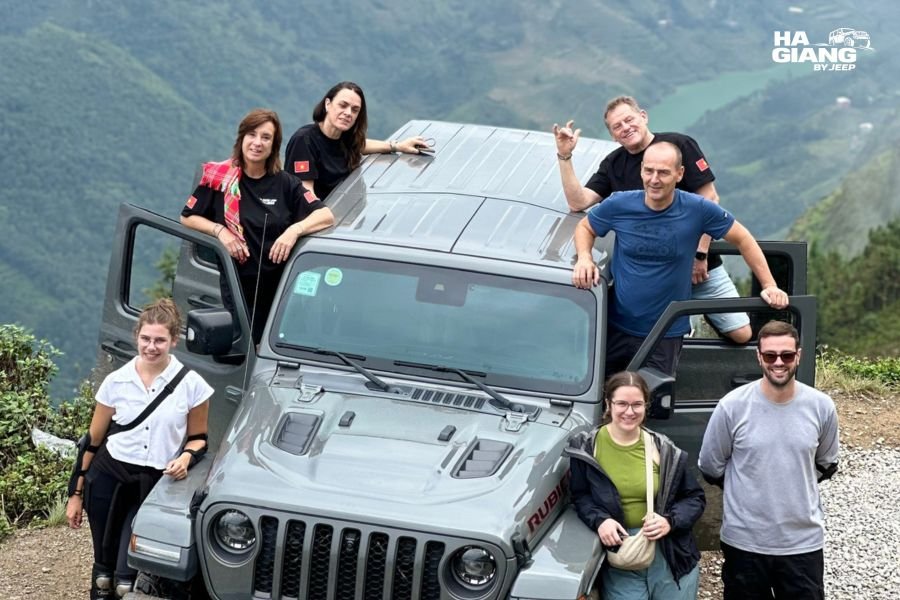
Winter on the loop is cold enough to need layers and sometimes a soft-top closed on the Rubicon — but the landscape has a stark, frost-dusted quality and the highland roads are nearly empty. If the busy loop of October is part of what made you feel like you missed something, the December to February window is its opposite.
Slow Down: Stop at Markets, Villages, and Local Kitchens

Ha Giang has a highland food culture that most visitors on a 3 days loop encounter only at hotel dinners and tourist restaurants. The more interesting version is the roadside one, and it takes time, a willing driver, and some tolerance for ordering by pointing at whatever the locals are eating.
Some specifics worth looking for on a second visit:
- Com lam — sticky rice cooked inside a section of fresh bamboo over an open fire. The rice takes on a subtle sweetness from the bamboo. Sold by vendors at almost every significant stop on the loop, but the quality varies. The driver knows which stalls are worth stopping for.
- Thang den — glutinous rice balls in a ginger syrup broth, sold hot at highland market stalls. A cold morning food that makes more sense on the second visit when you know to look for it.
- Banh cuon trung — steamed rice paper rolls filled with egg, served with herbs and dipping sauce. Common in Dong Van town and at the Sunday market. Light and very good for a morning market stop before the main driving day begins.
- Chao au tau — aconite tuber congee from Dong Van, a hyper-local dish that few visitors outside the town itself try. The tubers are mildly numbing when eaten in quantity, which is intentional. Available at small restaurants near the Dong Van Old Quarter.
- Ruou ngo — corn wine distilled from highland corn, drunk from small cups at market gatherings and family meals. The flavor is cleaner and less harsh than it sounds. With a private jeep, there is no concern about driving after a small cup at a Meo Vac market stall.
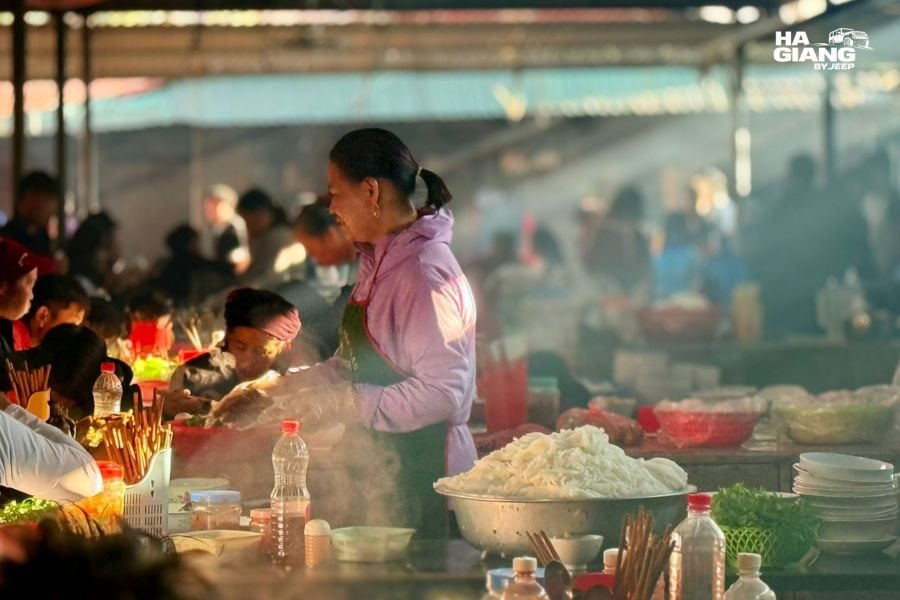
The highland Sunday markets — Dong Van on Sunday, Meo Vac on the same day, Khau Vai periodically — operate on a different logic from tourist attractions. They exist for the communities that live on the plateau: farmers coming down from outlying villages, textile traders, seed merchants, livestock. For a second-time visitor who arrives with no specific agenda beyond being present, an hour at a highland market is one of the most memorable stops on the loop.
A private jeep makes all of this possible without logistical anxiety. There is no group schedule to adhere to, no requirement to reach the next stop by a specific time, and no parking problem at a roadside stall that has exactly two spots in front of it.
Which Tour Fits a Repeat Visit to Ha Giang?
The right tour depends on what you did last time and what you are most drawn to now. Here is how to think through it.
4 Days Loop: If You Did 3 Days Before
The straightforward upgrade. Same circuit, more time, more stops. Adds Lung Cu, Sung La, Pho Bang, and market time in Dong Van. The right choice if the loop itself is what you want more of, without leaving the main highland circuit. From 21,990,000 VND per group.
5 Days Ha Giang Cao Bang: First Time in Cao Bang
The ideal format for anyone returning to Ha Giang who has not been to Cao Bang. Covers the loop efficiently, then continues south through the 15 step pass into Ban Gioc country. Ends in Cao Bang rather than Ha Giang City. The natural step up from a completed 3 days or 4 days Ha Giang Loop. From 32,990,000 VND per group.
6 Days Ha Giang Cao Bang: Full Northern Circuit
The version for repeat visitors who want Cao Bang at a pace where it actually registers. An extra day in Cao Bang province means God's Eye Mountain, Ngoc Con Valley, and time at Ban Gioc without rushing to the exit. For anyone who has already done the loop once and wants the most complete version of the northern circuit, this is the tour to book. From 37,990,000 VND per group.
Jeep Wrangler Rubicon Rental: If You Know the Route
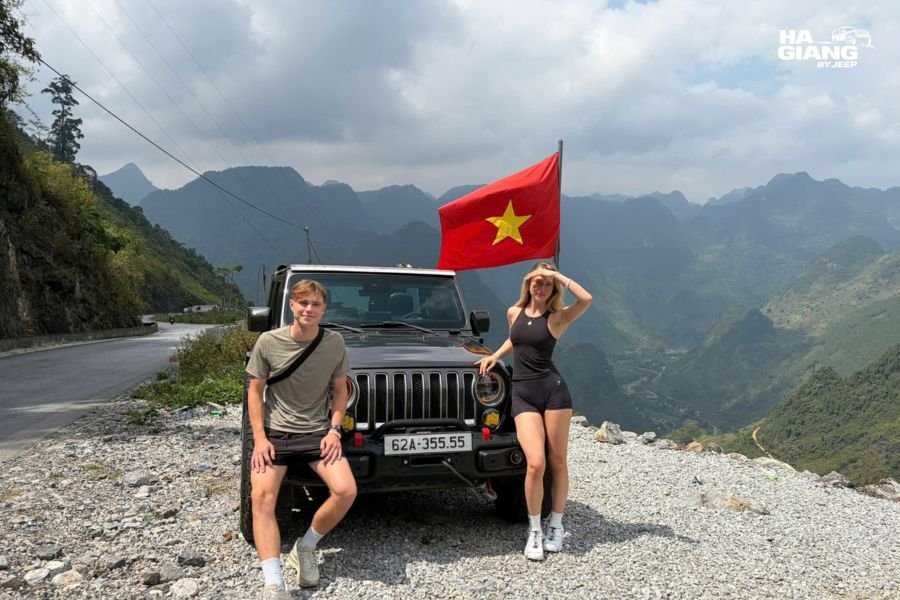
Ha Giang by Jeep also offers Jeep Wrangler Rubicon rental for self-drive guests. If you have done the loop at least once, are a confident off-road driver, and want to follow your own pace and your own tracks, the rental option makes sense. The team can advise on permit requirements for the border areas and on road conditions before you depart. Rules on specific sections can change, so checking locally before you go is worth the five minutes.
Frequently Asked Questions
Is returning to Ha Giang worth it?
Yes — most repeat visitors say the second trip is better than the first. You already know the route so you stop rushing. You notice the villages, the food, and the people instead of focusing on the big viewpoints. If you also extend into Cao Bang, you are essentially adding a second destination to the circuit.
What should I do differently the second time in Ha Giang?
Slow down: add a day to your loop, stop at the markets you drove past the first time, eat at roadside stalls the driver recommends, ask about the villages you are passing through. If you did a 3 days tour before, upgrade to 4 days. If you have done the main loop, extending to Cao Bang for Ban Gioc Waterfall, God's Eye Mountain, and the Non Nuoc Cao Bang UNESCO Global Geopark is the natural next step.
What does Cao Bang add for repeat visitors?
Cao Bang is a completely different landscape from the Ha Giang Loop: volcanic basalt plateaus rather than karst limestone, deeper jungle gorges, Ban Gioc Waterfall on the Vietnam and China border, the 15 step pass in the highland backcountry, and Pac Po Historical Site in a remote valley. It is a second UNESCO Global Geopark added to the same trip, and it makes the 5 days or 6 days ha giang cao bang jeep tour feel like two destinations in one circuit.
Should I go in a different season the second time?
If your first trip was in autumn (September to November), the main alternative worth considering is March to April for the buckwheat flower season near Dong Van. The pink blooms against limestone peaks are a completely different version of the same landscape. Winter (December to February) is cold but clear, and the loop is at its quietest. Each season makes returning to Ha Giang feel genuinely different.
What off-the-beaten-path spots should I add on a second trip?
Lung Tam linen weaving village near Quan Ba, Pho Bang and Sung La in the valleys between Dong Van and Ma Pi Leng, the Khau Vai Love Market if the timing works, Du Gia and the Nho Que River gorge from below, and the highland Sunday markets. All are on or near the main loop but require slowing down or adding a day to include properly.
Is the Cao Bang extension very different from the Ha Giang Loop?
Yes. The Ha Giang Loop is dominated by limestone karst peaks, narrow highland roads, and ethnic minority villages on the karst plateau. Cao Bang has a different geology (basalt), denser forest, the Pac Po cave and historical site, waterfalls including Ban Gioc, and God's Eye Mountain at Ngan Son. The 5 days and 6 days ha giang cao bang jeep tour covers both Geoparks in one continuous circuit.
Can I do part of the loop differently on a return visit?
Yes. With a private jeep tour, the route is flexible. If you have been through Dong Van and Meo Vac before and want to focus time on quieter valleys like Sung La, Du Gia, or the Yen Minh plateau, the team can adjust the pacing. Tell them when you book that this is a return visit and what you most want to see differently.
What highland food should I look for on a second visit?
Com lam (bamboo-tube rice), thang den (glutinous rice balls with sesame and ginger in broth), banh cuon trung (steamed rice rolls with egg), chao au tau (aconite tuber congee at Dong Van), and ruou ngo (corn wine). Most of these come from street vendors and market stalls rather than restaurants — a private jeep lets you stop wherever the driver recommends without worrying about parking or timing.
Is the Jeep Wrangler Rubicon rental a good option for returning visitors?
If you are a confident driver who knows the loop well, the Jeep Wrangler Rubicon rental lets you go at your own pace and explore tracks that were not on the guided route. It is best suited to experienced off-road drivers who have already done the loop once. Check road permit requirements before planning a self-drive route near the northern border areas — rules change and some sections require permits.
How long should a second trip to Ha Giang be?
If you are doing the loop only: 4 days gives noticeably more than the 3 days first-timers usually take. If you are adding Cao Bang: 5 days covers both regions efficiently, 6 days is the more relaxed version that allows real time in Cao Bang province. For a pure exploration of Ha Giang at a slow pace, some repeat visitors stay 5 to 6 days on the loop alone — there is enough to fill it.
Ready for a Second Look?
Ha Giang by Jeep runs private Jeep Wrangler Rubicon tours on the Ha Giang Loop and the full Cao Bang circuit — your group only, a local driver who knows the route and the detours, and a schedule you set. Tell the team it is a return visit: they will help shape it around what you want to see this time.