Khau Coc Cha Pass: Complete Guide for the Epic Switchbacks
If you've seen the photos—all those crazy curves stacked like a geometric puzzle down a mountainside—you're looking at Khau Coc Cha Pass. It's in Cao Bang Province, and it's exactly as dramatic as it looks. But those pictures don't capture the real experience: your stomach's telling a different story than your camera.
This pass isn't quite as famous as Ma Pi Leng (that's over in Ha Giang), but it's arguably more intense. Where Ma Pi Leng is about long, sweeping views and philosophical moments, Khau Coc Cha is about the engineering marvel of the road itself. It's a ribbon of asphalt that seems to defy physics, curving back on itself over and over until you lose count.
Here's what you need to know before you tackle it: the real conditions, the best times to go, what to expect inside a jeep versus driving yourself, and how to actually photograph those curves without just replicating someone else's Instagram moment.
What is Khau Coc Cha Pass?
Location and Geography
Khau Coc Cha Pass sits in northern Cao Bang Province, connecting the region's mountain villages and serving as a critical route between Cao Bang City and the more remote areas heading toward the Ha Giang border. It's roughly 70 kilometers from Cao Bang City center, and while that sounds close, the road conditions mean you're looking at 1.5 to 2 hours of driving depending on how many times you stop.
The pass itself is named "Khau Coc Cha," which roughly translates to "rooster's tail"—a nod to the way the switchbacks fan out and curve, supposedly resembling a bird's tail feathers spread out. Locals will understand the reference immediately; visitors usually just think "wow, that's a lot of curves."
Why It's Famous Among Drivers
Within Vietnam's driving community, Khau Coc Cha has a reputation. Not because it's the most dangerous (it's not, despite what tourists sometimes claim), but because it's technically interesting. The curves are engineered in a way that rewards smooth driving and punishes panic. A good driver treats it like a dance; a nervous driver treats it like an obstacle course.
Why the Switchbacks Are Legendary
The Engineering Marvel of the Road
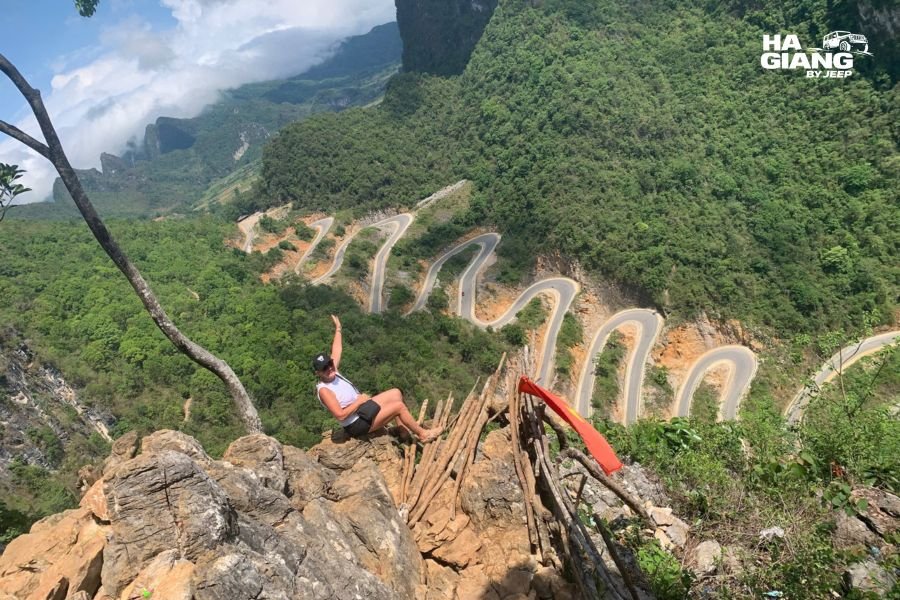
What makes Khau Coc Cha special isn't just the number of curves—it's how they're stacked. The road was built (and has been maintained over decades) to handle the geography without requiring massive amounts of dynamite or brutal cut-and-fill operations. Instead, the engineers designed curves that loop back on themselves, gaining elevation through tight hairpins rather than long, gradual switchbacks.
Visual Drama: Curves Stacked on Top of Each Other
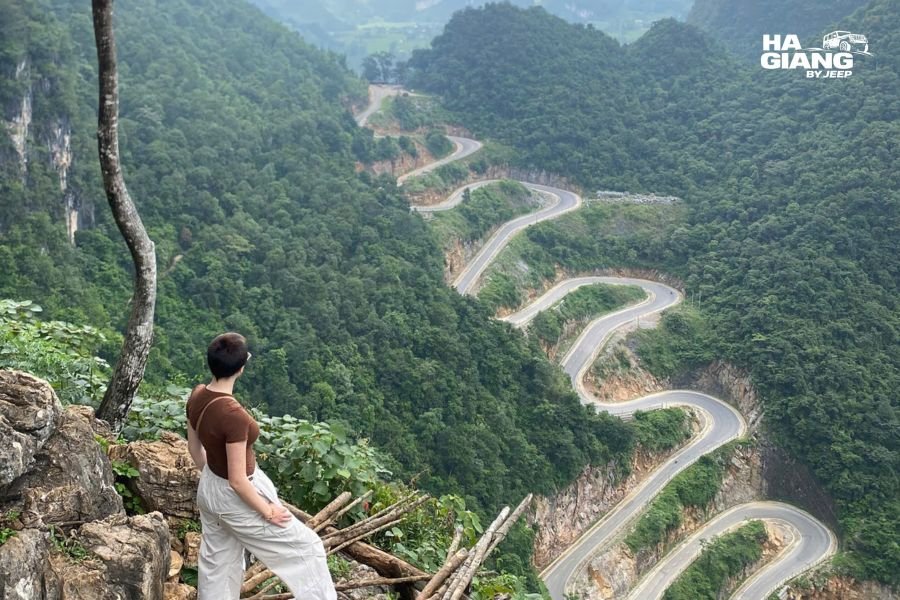
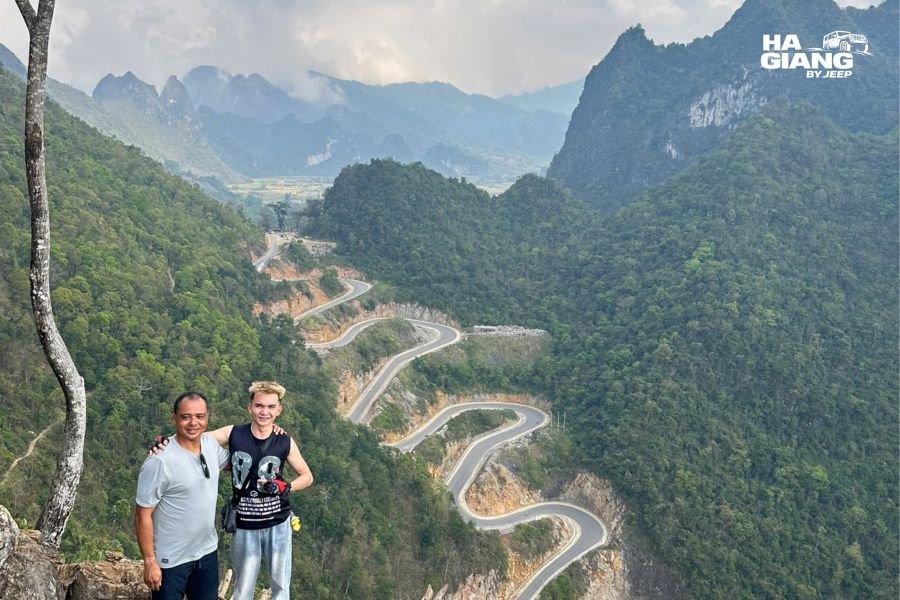
The most striking thing about Khau Coc Cha is the visual impact. When you're stopped at a viewpoint, your brain struggles to process what you're seeing. The road literally doubles back on itself multiple times, creating this Escher-like effect where the pass you just drove on is now visible above or below you.
Road Conditions and What to Expect
Surface Quality and Maintenance
The road at Khau Coc Cha is asphalt, not dirt or gravel. It's maintained regularly enough that it's passable year-round, but it's not in pristine condition. Expect cracks in the asphalt, occasional potholes (especially on the outer edges of tight curves), and surfaces that range from smooth to rough depending on the section.
Traffic Patterns and Congestion
Traffic on Khau Coc Cha Pass is light most of the year. You might encounter local trucks heading to or from nearby villages, the occasional bus, and increasingly, tour groups. During peak season (October through November), you might spend time behind slower-moving vehicles, but actual congestion is rare.
Weather Impact on the Pass
Clear weather makes Khau Coc Cha thrilling. Low-visibility conditions make it stressful. In fog or heavy rain, the curves lose their visual drama and become a white-knuckle exercise in finding the road. The pass sits high enough that it catches clouds and mist, especially in the mornings and evenings.
Best Time to Visit Khau Coc Cha Pass
Seasonal Breakdown
October through November: Best season. Weather is cool and dry, visibility is excellent, and the landscape is lush from previous rains. Popular means more tourists, but not congestion. This is when you should visit if you have a choice.
December through February: Cool (sometimes cold, especially early morning). Clear skies, minimal rain. The pass can be stunning in winter light. Fewer tourists. Shorter daylight hours and occasional cold drizzle.
March through April: Warming up, still dry. Good visibility. Transitional season between cool and hot. Reasonable choice if October is too crowded.
May through September: Wet season. Heavy rain is common, particularly in the afternoons. Visibility suffers. Not recommended unless you have a high tolerance for challenging weather.
Time of Day Recommendations
Early morning drives (before 9 am) offer cool temperatures, good visibility, and fewer vehicles. Mid-morning to early afternoon (9 am to 2 pm) offers the best lighting for photography. Late afternoon (3 pm to sunset) offers excellent light and fewer vehicles.
The Drive Experience: What It Feels Like
Inside a Jeep vs Self-Driving Perspective
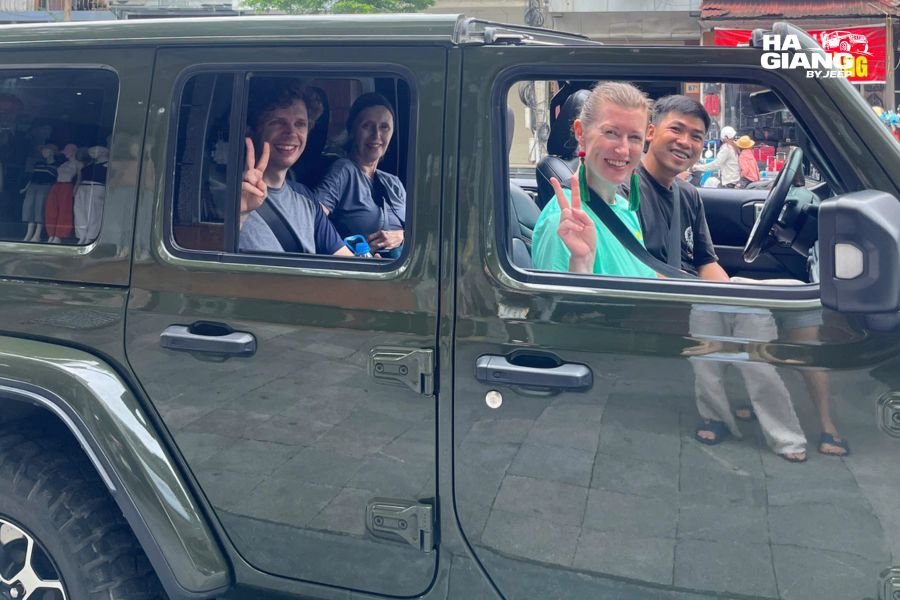
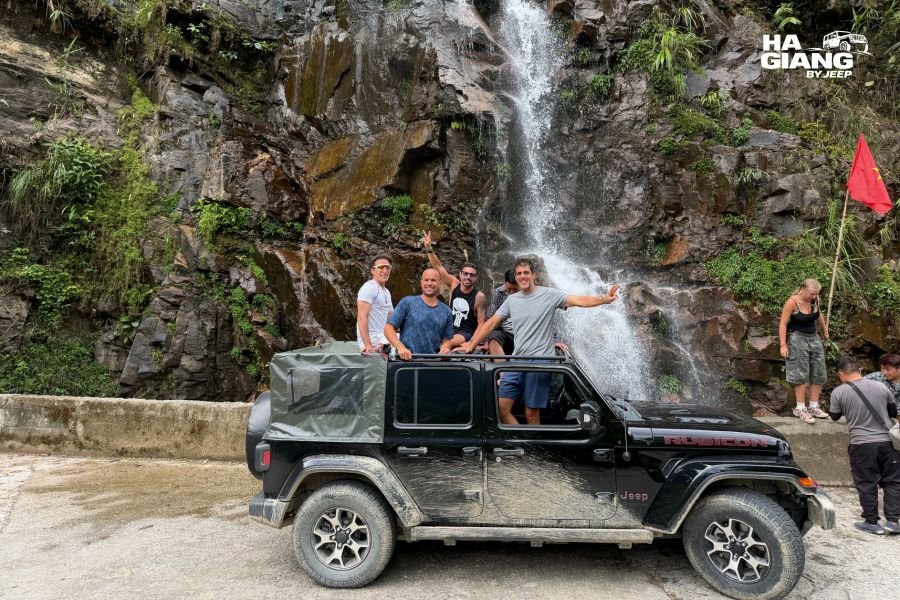
Inside a private jeep (as a passenger): You have a professional driver handling the technical aspects, which means you can actually absorb the experience rather than fighting the steering wheel. The open-air top gives 360-degree views. You can ask the driver to stop anytime, hold any pose for photos, and linger at viewpoints without worrying about traffic behind you.
Self-driving: You're engaged with every curve, which is thrilling if you enjoy driving and stressful if you're nervous about mountain roads. You can't get distracted by the scenery, and you definitely can't safely take photos while driving. The freedom to stop anywhere and set your own pace is a real advantage for photographers and people who want to process the landscape.
Heart-Racing Moments (Honest Account)
The scariest moment for most people is the first tight hairpin turn when you realize the cliff is closer than it seemed. After a few curves, your nervous system adjusts. The fear is replaced by adrenaline, and then by a kind of flow state where you're just experiencing the road.
Meditative Beauty Between the Curves
Once the initial adrenaline settles, something shifts. The repetition of curves, the changing landscape, the sound of the engine and the wind—it all combines into something meditative. People often report that the experience of driving Khau Coc Cha feels almost trance-like in the best way.
Photography and Viewpoints
Best Spots for Photos
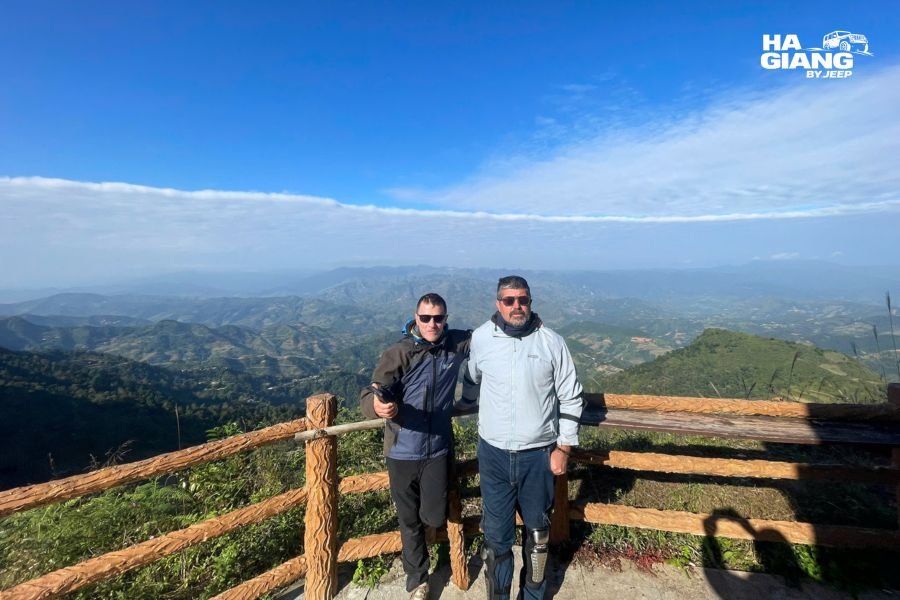
The most famous viewpoint is the overlook roughly halfway through the pass where you can see multiple switchbacks at once. This is where most tour groups stop, so expect other people. Secondary viewpoints exist at several pullouts along the road. Ask your driver to explore; locals know all the good spots.
Camera Settings for Switchback Photos
For wide landscape shots, a telephoto lens (70–200mm) compresses the curves and emphasizes the stacked-switchback effect. For dramatic close-up shots, medium focal lengths (35–50mm) work well. A polarizing filter cuts glare and makes the sky more dramatic.
Nearby Attractions and Local Life
Khau Vai Market (On Weekends)
Khau Vai Market is a weekend market roughly 30 kilometers from Khau Coc Cha Pass, held on Saturday and Sunday mornings. It's famous as one of Vietnam's oldest "love markets." Today it's become a tourist attraction, but the local commerce is still authentic: vegetables, textiles, local crafts, and food vendors. The food is cheap and good.
Local Food Stalls and Roadside Stops
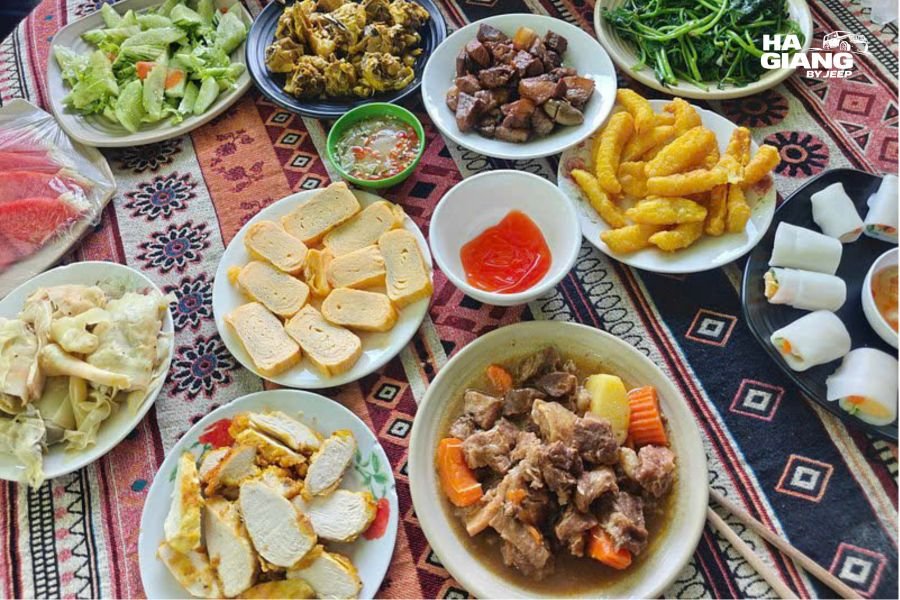
Between Cao Bang City and Khau Coc Cha Pass, you'll find roadside food stalls and small restaurants. These serve local specialties like com lam (sticky rice cooked in bamboo) and fresh spring rolls. Standards of cleanliness vary, but the busy stalls are generally safe. Prices are cheap: a full meal costs $2–$3.
Homestays and Villages Near the Pass
Several villages near Khau Coc Cha offer homestay experiences. These are basic but authentic: you eat what the family eats, sleep in a clean room, and wake up to the sounds of the village. Most homestays can be arranged through your jeep tour operator.
Cao Bang City as a Base
Cao Bang City is the main hub for the region. It's not a tourist destination in the way that Hanoi or Ho Chi Minh City are, but it has hotels, restaurants, and the energy of a real working city. For a jeep tour to Khau Coc Cha, most people base themselves in Cao Bang City and do the pass as a day trip or multi-day adventure.
Safety Tips for Driving Khau Coc Cha Pass
Road Etiquette and Local Habits
Local drivers know these curves intimately and drive them fast. Don't try to keep up if you're renting a vehicle and aren't experienced with mountain roads. Let faster vehicles pass. Use your horn before entering blind curves; locals do this as a matter of course. It's not rude; it's safety communication.
What to Watch For (Vehicles, Animals, Weather)
Trucks and buses appear without warning sometimes. Animals (cattle, goats, occasionally dogs) wander the roadside, particularly in early morning and late evening. Slow down if you see any. Weather changes quickly. If you start climbing into dense fog, reduce speed significantly.
Mechanical Checks Before Tackling the Pass
Before driving Khau Coc Cha in a rental vehicle, check: brakes (test them on a flat section), tires (tread depth and pressure), steering (should be responsive), windshield wipers (for rain), and headlights (for contingency). If you're renting from a reputable operator, they'll handle this.
What to Bring (Water, Snacks, First Aid)
Bring water (more than you think you'll need). The pass's elevation and curves cause dehydration faster than normal driving. Bring snacks or ensure you stop at a food stall. Bring basic first aid (antiseptic, bandages, pain reliever). Bring a charged phone and know the emergency number.
How to Get to Khau Coc Cha Pass
Route from Ha Giang
If you're coming from Ha Giang City, the route is roughly 140 kilometers and takes 3 to 4 hours depending on stops and traffic. You'll head south from Ha Giang City toward Cao Bang, joining the main highway. This route is popular for travelers doing a combined Ha Giang and Cao Bang tour.
Route from Hanoi
From Hanoi, Cao Bang City is roughly 270 kilometers northeast, approximately 5 to 6 hours by road. Highway 1 to Highway 3 is the standard route. Most tourists don't drive this route independently; they book tours from Hanoi that include pickup and accommodation.
Driving Time and Distances
From Cao Bang City to Khau Coc Cha Pass: 70 kilometers, 1.5 to 2 hours depending on traffic and stops. From Ha Giang City to Khau Coc Cha Pass: 140 kilometers, 3 to 4 hours via Cao Bang. From Hanoi to Khau Coc Cha Pass: 340 kilometers, 7 to 8 hours total (usually split over two days).
Navigation Tips (GPS, Maps, Local Guidance)
Google Maps works in the region. Offline maps are a good idea if you plan to drive without constant phone connection. The road is clearly marked; you won't get lost. A local driver or guide adds value by knowing which stops have good food and how to time the drive for optimal light and traffic.
Khau Coc Cha Pass on a Jeep Tour vs Self-Drive
Jeep Tour Advantages
Professional driver: Someone who does this drive regularly and knows safe passing technique and best stops. Private vehicle: Your own jeep, your own pace. Comfort features: Open-air jeep with soft-top cover, higher seating position for better views. Flexibility: Stop anywhere for photos, linger at viewpoints without time pressure. No driving stress: You can actually enjoy the experience instead of managing the steering wheel.
Self-Drive Advantages
Complete independence: You set the pace, choose the stops, decide when to push and when to linger. Cost savings: If you're comfortable driving, self-drive is cheaper. Personal agency: The challenge and sense of accomplishment from driving a technical pass yourself.
Which is Right for You?
Choose a private jeep tour if you want to relax and absorb the experience, you're not confident driving technical mountain roads, you want professional photography stops, or you want to learn about the region from someone who lives there. Choose self-drive if you're an experienced mountain driver, want to set your own pace and schedule, or want the sense of accomplishment from driving it yourself.
The best option? Some travelers do both: take a jeep tour the first time to learn the route and absorb the experience, then rent a vehicle for a second visit if they want to drive it themselves.
Ready to Tackle Khau Coc Cha Pass?
Whether you want a professional driver or the freedom to explore, we have the right jeep option for you.
Common Questions About Khau Coc Cha Pass
Differently difficult. Ma Pi Leng has bigger, longer curves; Khau Coc Cha has tighter, more frequent turns. Most drivers find Khau Coc Cha more engaging technically, Ma Pi Leng more visually dramatic.
When you drive, you're managing the road. When you're on a jeep tour, you're experiencing the landscape. Both are valid; it depends on whether you prioritize the driving experience or the destination experience.
The pass itself takes about 45 minutes to 1 hour depending on speed. Most visits include stops, so plan 2 to 3 hours for the full experience.
The curves are navigable safely in a jeep, but some experience motion sickness. Motion sickness medication before the drive helps. If someone has serious balance problems or vertigo, Khau Coc Cha might not be comfortable.
Early morning (before 9 am) for clear conditions and minimal traffic. Late afternoon for best photo light. Avoid midday heat and sunset timing that would finish in darkness.
Reduce speed significantly, increase following distance, use headlights, and pull into a pullout if visibility becomes dangerous. It's better to wait 30 minutes for weather to clear than to risk an accident.
Spotty coverage from local providers. Usually works on the approach and descent, sometimes drops out at the highest sections. Don't plan on having constant connectivity.
There are designated pullouts and viewpoints where it's safe to stop. Don't stop on hairpin curves or blind turns. Respect no-stopping signs.
It's comparable to Alpine passes in terms of technical interest, but less commercialized. It's narrower and more vegetation-heavy. The real comparison is to other Vietnamese passes.
Ready to Experience Khau Coc Cha Pass?
Khau Coc Cha isn't the most famous pass in northern Vietnam, but for drivers and passengers, it might be the most fun. It's technical enough to be engaging, beautiful enough to be memorable, and accessible enough to not require extreme skills.
The experience is best shared: either with a professional driver who can handle the curves while you absorb the landscape, or with fellow travelers as a self-drive adventure. Either way, bring water, manage your expectations, and be prepared for a few moments of genuine adrenaline.