Ha Giang Souvenirs: What to Bring Home
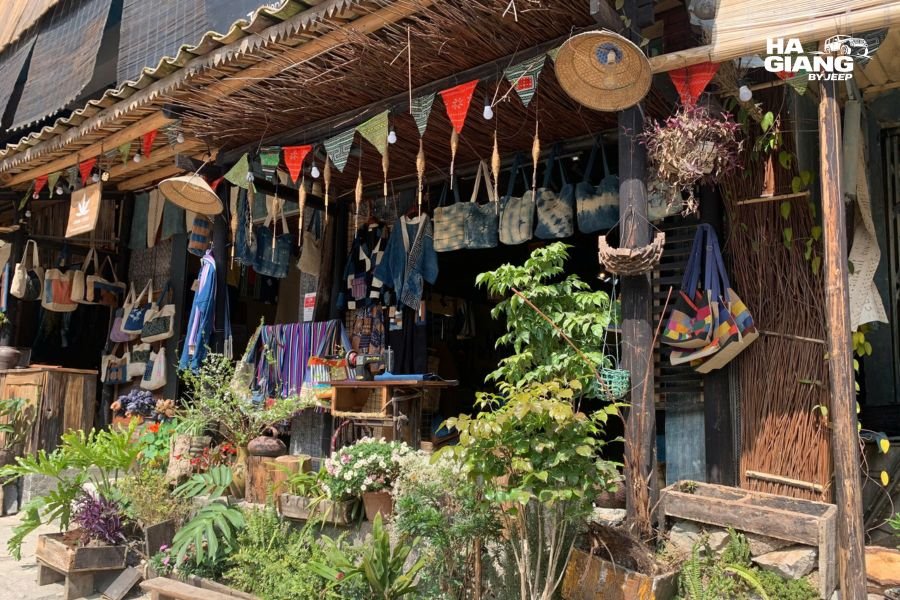
Most Ha Giang souvenirs that end up in a suitcase were not planned for. Somebody stops at a market for twenty minutes, watches an old woman working a loom, and leaves with a piece of indigo cloth they had no intention of buying that morning.
That is the honest shape of shopping up here. There is no souvenir district, no fixed price shop selling the same six things in every town. What you find depends on which market day you catch, which village you stop in, and whether you have the time and the small notes to buy something when you see it.
This guide covers what is genuinely made in this region, where to find it, how to buy in a way that is fair to both sides, and what to think twice about.
What is in this guide
- What is genuinely from Ha Giang
- Lung Tam linen and hemp textiles
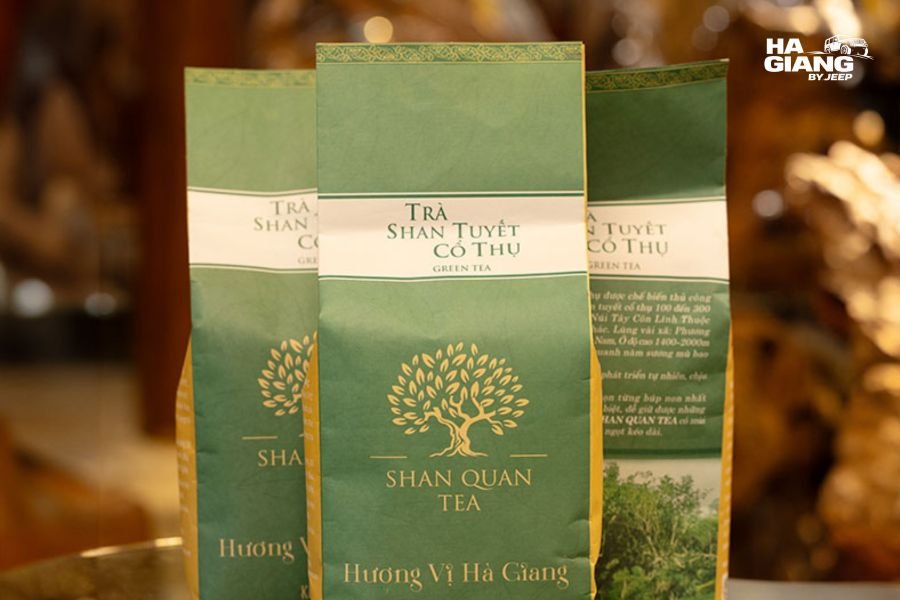
- Shan tuyet tea
- Honey from the mountains
- Corn wine and edible souvenirs
- Silver, knives and metalwork
- Musical instruments and small craft
- Where to buy: markets, villages and towns
- How to buy well, and politely
- What to be careful about
- Packing souvenirs and getting them home
- Which jeep tour suits you best
- FAQ
What Is Genuinely From Ha Giang
A useful filter before you buy anything. Some of what is sold to travelers in northern Vietnam is made here. Some is made elsewhere and shipped in, which is not a scandal, it is just worth knowing what you are paying for.
Genuinely regional:
- Hemp and linen textiles, especially from Lung Tam and the surrounding villages
- Hmong embroidery and batik work
- Shan tuyet tea from old tea trees in the northern highlands
- Local honey
- Corn wine
- Blacksmithed knives and tools from village forges
- Silver jewellery worn by local communities
Often not local, even when sold locally:
- Mass produced textiles with printed rather than stitched patterns
- Generic Vietnam souvenirs found identically in Hanoi, Sapa and Hoi An
- Conical hats, which are Vietnamese but not a Ha Giang thing
- Machine embroidered bags in bright synthetic thread
None of this makes the second list bad. A cheerful bag is a cheerful bag. But if you want something from this place specifically, the first list is where to look.
Lung Tam Linen and Hemp Textiles
If you buy one thing in Ha Giang, this is the strongest candidate.
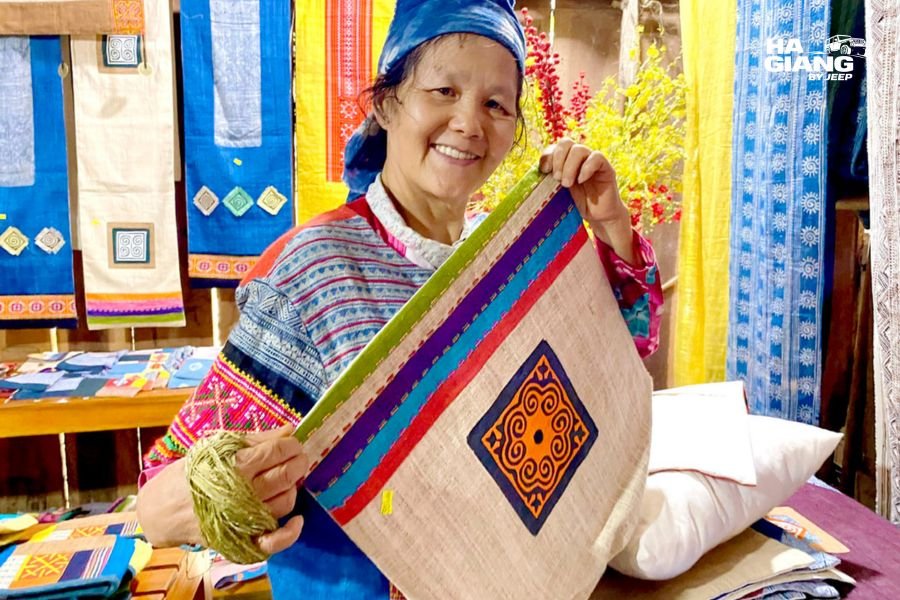
Lung Tam Linen Village in Quan Ba district is the best known centre for hemp weaving in the province. Hemp is grown locally, stripped, spun, woven on wooden looms, dyed with indigo, and finished by hand. It is slow work done mostly by women, and watching any part of the process changes how you look at the finished cloth.
What you can buy. Scarves, table runners, cushion covers, bags, jackets, and lengths of plain cloth. Smaller pieces travel best.
How to spot handwork. Look at the back of an embroidered piece. Hand stitching shows knots, small irregularities, and thread ends. Printed or machine work is uniform on both sides. Neither is a scam, but they are different products.
Indigo transfers. Genuinely indigo dyed cloth can rub off onto skin and other fabrics, particularly when new or damp. This is normal. Wash it separately the first few times and do not pack it against a white shirt.
Beeswax batik. Some Hmong pieces are patterned by drawing with hot beeswax before dyeing. The wax resists the dye, then is removed. Look closely at the lines and you can often see where the tool was lifted.
Buying directly at the village or from a cooperative means more of what you pay reaches the person who made it. That is the case for planning a stop rather than buying the same thing later in a town.
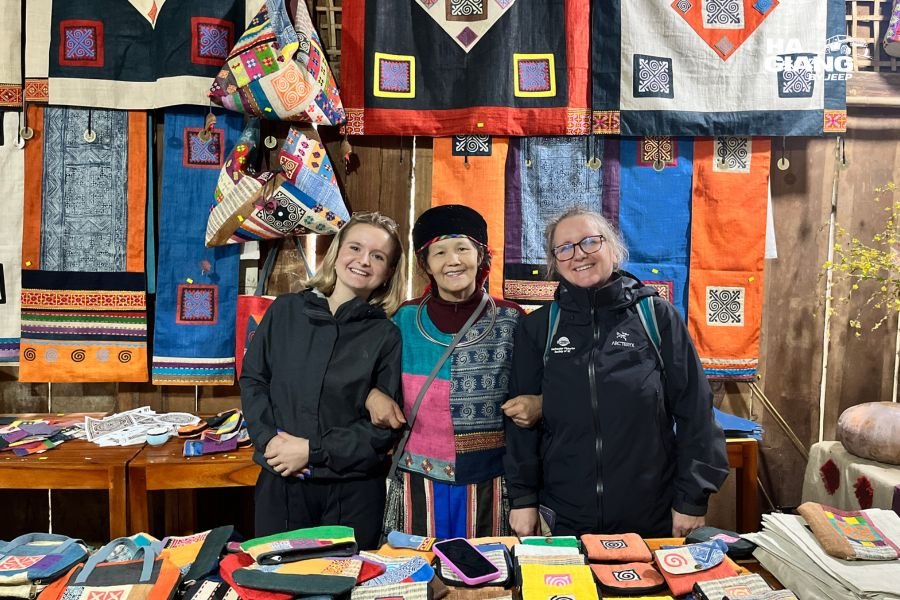
Want the villages, not just the viewpoints?
Craft stops like Lung Tam only work if the itinerary has room for them. Tell us your dates and what interests you and we will tell you honestly which trip length fits.
WhatsApp us See the 4 Days LoopShan Tuyet Tea
Shan tuyet is tea from large old tea trees that grow in the northern highlands, harvested from trees rather than the low clipped bushes most people picture. The name refers to the pale down on the young buds.
Why it travels well. Light, compact, does not leak, does not break, and it is genuinely from this region rather than a generic souvenir.
What you will see. Loose leaf in bags, sometimes pressed into cakes. Green and processed darker styles both exist.
Buying it. Tea sellers at markets will usually let you smell the leaf, and some will brew a cup. Take them up on it. Dry leaf tells you less than a taste does.
A note on claims. You will hear ages attached to tea trees and specific mountains attached to specific batches. Some of that is accurate and some of it is sales talk, and neither we nor you can verify it at a market stall. Buy tea you like the taste of rather than tea with the best story.
Check your own country's import rules on bringing plant products home. Rules differ by destination and change.
Honey from the Mountains
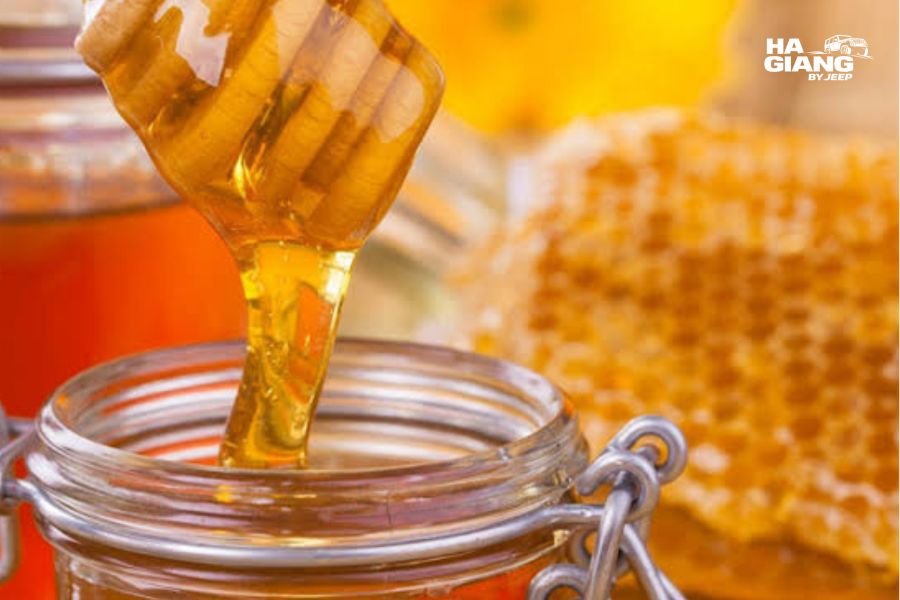
Honey from this region is well regarded, particularly honey associated with the buckwheat and mint flowering seasons on the plateau.
Why people buy it. It tastes different from supermarket honey, it is produced locally, and it is a genuinely useful gift rather than an ornament.
The practical problems. It is heavy. It leaks. And bringing food products across borders is subject to rules that vary by country and change without warning.
If you buy it anyway: get a properly sealed container, wrap it, bag it, wrap it again, and pack it in checked luggage rather than carry on. Then check your destination country's rules on importing honey before you fly, because some countries restrict it.
Season matters. What is available depends on what has been flowering. Ask what the honey is from rather than assuming, and taste before buying if the seller offers.
Corn Wine and Edible Souvenirs
Corn wine, ruou ngo, is the most characteristic thing you can drink up here and a popular thing to take home. Buying it, choosing a bottle worth gifting, and the rules on flying with alcohol all get proper treatment in our dedicated corn wine guide rather than being squeezed in here.
Other edible options that travel reasonably:
- Dried buckwheat products during and after the flowering season, when they appear at markets in various forms
- Dried bamboo shoots and mountain mushrooms, light and compact
- Local spice mixes and dried chilli, sold loose at markets
The same warning applies to all of it. Food import rules vary by destination country and change. Dried plant material and seeds are commonly restricted. Check before you buy rather than after you have packed.
Silver, Knives and Metalwork
Silver jewellery. Silver is worn in quantity by several communities in this region, and pieces turn up at markets: neck rings, earrings, buttons, small ornaments. Purity varies and is generally not certified. Buy a piece because you like it rather than as an investment, and do not pay a precious metal price for something you cannot test.
Blacksmithed knives and tools. Village forges here make working tools, and the knives are the real article rather than a tourist product. They are also, obviously, knives.
If you buy a knife: it goes in checked luggage, never in a bag you carry onto a plane, and you should check the rules in your destination country before buying. Some countries restrict certain blade types and lengths. This is one of the few souvenirs that can actually cause you a problem at a border, so treat it seriously.
Wrap it properly. Working blades are sharp and often come with a simple wooden or bamboo sheath rather than a protective case.
Musical Instruments and Small Craft
The khen. A Hmong reed pipe instrument, played at festivals and ceremonies. Full sized instruments are large and awkward to carry. Smaller versions are made and sold, and they are handsome objects even if you never learn to play one.
Bamboo and wood. Small carved items, containers, and household objects appear at markets. Light, cheap, easy to pack, and often made locally.
Basketry. The carrying baskets you see on people's backs all over this region are made by hand. Full sized ones are impractical to fly home, but smaller versions exist.
Embroidered small goods. Purses, phone pouches, book covers, coasters. These are the practical gift category: light, individual, and useful for the person who gets sixteen presents to bring back.
The unglamorous truth about souvenirs is that the small ones get used and the large ones end up in a cupboard. Buy several small things rather than one large thing you will have to carry through three airports.
Where to Buy: Markets, Villages and Towns
| Place | What it is good for | Notes |
|---|---|---|
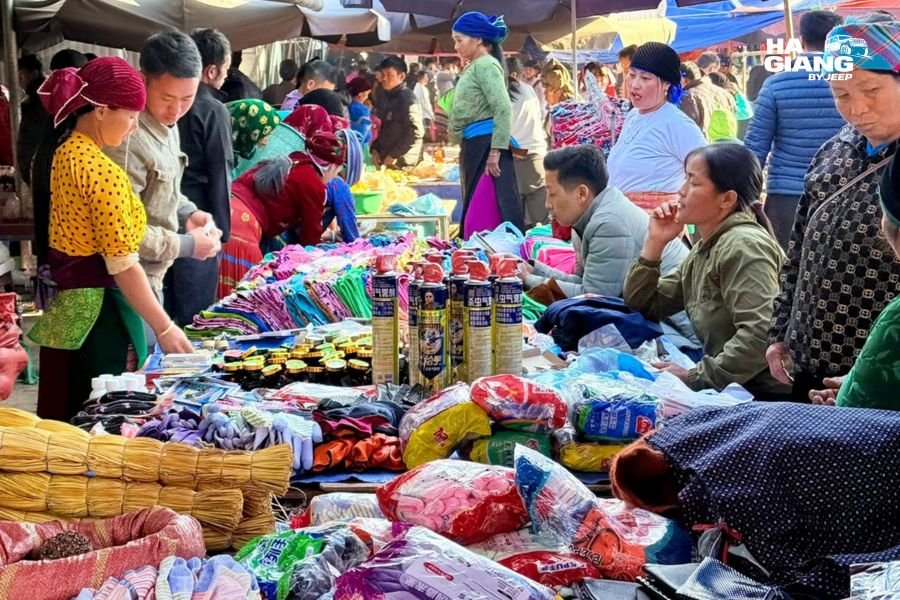
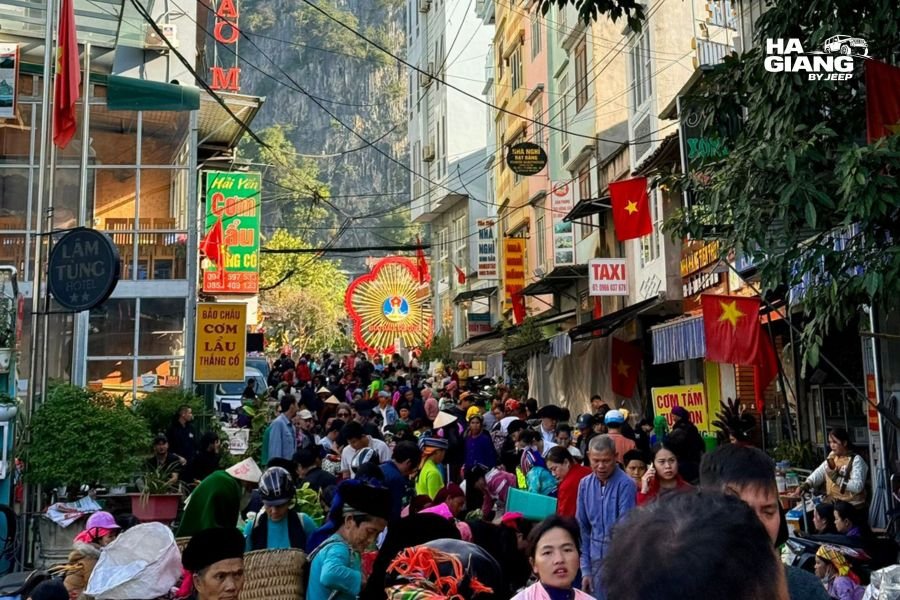
| Dong Van Market | The broadest selection, textiles, tea, food, everyday goods | Sunday mornings, very early start |
| Meo Vac Market | Livestock and local trade with craft alongside | Sunday mornings, busiest at dawn |
| Lung Tam Linen Village | Hemp and linen directly from the makers | Best place for textiles specifically |
| Dong Van Old Quarter | Shops open all week, easier browsing | Convenient when you miss a market day |
| Ha Giang City | Last chance before you leave, wider shops | Practical rather than atmospheric |
| Khau Vai | A large annual gathering | Dates set by the lunar calendar, they move each year |
Market timings shift and lunar calendar events change every year. Confirm current dates with your driver or with us rather than planning a trip around a market you read about somewhere.
The awkward reality of markets is that they happen very early and they happen on their own schedule, not yours. Catching one usually means the itinerary was built to catch it. That is a planning decision made before you arrive, not something you can improvise on the day.
How to Buy Well, and Politely
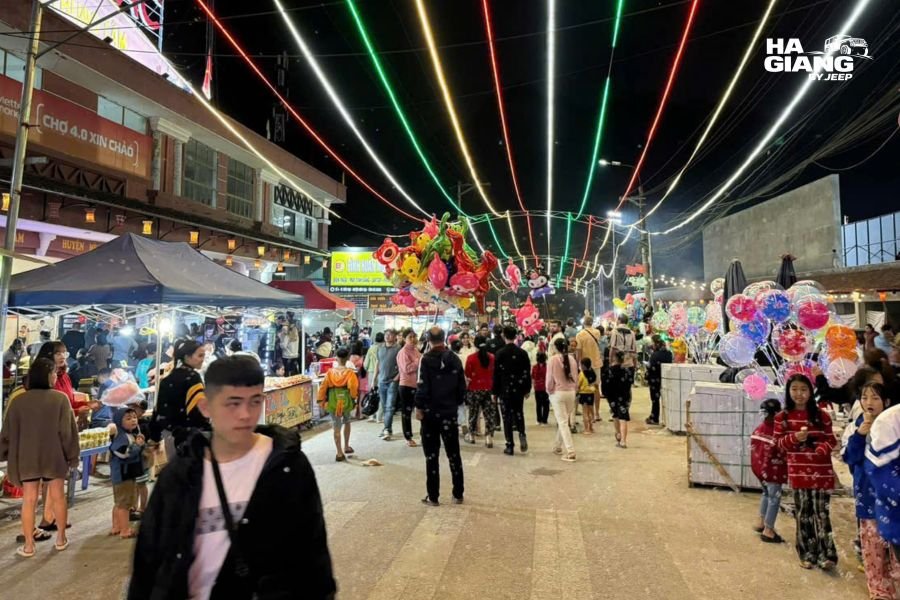
- Bring small notes. Market sellers often cannot break a very large note, and fumbling over change is the most common awkward moment travelers have here.
- Ask the price before you commit. This is normal, not rude, and it prevents the uncomfortable version of the conversation afterwards.
- Bargaining exists but keep it gentle. Some negotiation is expected at markets. Grinding somebody down over a small amount for a handmade item is not a good look, and the sums involved usually matter far more to the seller than to you.
- Buy from the maker where you can. At a village or cooperative, more of the money stays with the person who did the work.
- Ask what it is. Most sellers are happy to explain what a piece is, what it is made from, and what the pattern means. Your driver can translate. These conversations are often the best part of the purchase.
- Ask before photographing. People at markets are working, not posing. A gesture and a nod is enough, and the answer is not always yes.
- Do not haggle over food. Prices for produce, snacks and drinks are what they are.
- Buy it when you see it. Markets do not repeat, villages are not on the way back, and the single most common souvenir regret is the thing somebody decided to think about and never saw again.
What to Be Careful About
Written as general caution rather than accusation. The great majority of sellers here are straightforward people selling what they say they are selling.
- Handmade claims. Machine made and hand made items sit side by side at the same stalls. Look at the reverse of embroidery, look for irregularity, and ask. If a piece is machine made and you like it anyway, buy it knowingly.
- Old and antique textiles. Genuinely old tribal pieces are sold in this region. Some have real cultural significance, and some countries have rules about exporting or importing culturally significant items. If a seller is telling you a piece is genuinely antique, that is a reason to ask more questions rather than fewer.
- Silver purity. Not certified, not testable at a stall. Pay for the object, not the metal content.
- Ivory, horn, bone and animal products. Do not buy them. International trade in many wildlife products is restricted or banned outright, penalties can be severe, and the demand is the problem. This one is simple: walk away.
- Anything a seller says you can definitely take home. They are being helpful, not giving customs advice. Your destination country's rules are your responsibility to check.
- Very cheap versions of expensive things. Applies everywhere in the world, applies here.
Packing Souvenirs and Getting Them Home
- Leave space. The most common packing mistake is arriving full. Bring a folded spare bag if you know you want to buy.
- Textiles are the easy category. Light, squashable, useful as padding around other things.
- Liquids need double protection. Honey and corn wine both leak. Seal, bag, wrap, and put them in checked luggage.
- Knives go in checked luggage, always. Never in the cabin.
- Check your destination country's rules on food, plant material, alcohol and blades before you buy, not after. Rules differ by country and change, and no blog post can be current for every reader.
- Photograph what you buy and where. Six months later you will not remember which village a piece came from, and the story is half of what makes it worth having.
In a jeep, this is all easier. Purchases go straight in the vehicle rather than being strapped to anything or carried for the rest of the day. It means you can buy a thing at a market at seven in the morning and not think about it again until you unpack. Travelers who shop seriously notice this quickly.
Which Jeep Tour Suits You Best
Shopping is a time problem more than anything else. Markets happen early and villages take an hour you have to have.
| Option | Craft and market access | Best for |
|---|---|---|
| 3 Days 2 Nights Loop | Town shops and roadside stops, market only if the dates line up | Short trips, the core route |
| 4 Days 3 Nights Loop | Best chance of a Sunday market plus time for Lung Tam | Travelers who want the villages, not just viewpoints |
| 5 Days 4 Nights to Cao Bang | Ha Giang craft plus Cao Bang, two different regional styles | The Loop plus Ban Gioc and the Quay Son valleys |
| 6 Days 5 Nights to Cao Bang | Most time for markets and unplanned village stops | The unhurried version across two Geoparks |
| Jeep Wrangler Rubicon rental | Total freedom on where you stop | Confident self drivers |
The practical advantage for anyone who likes buying things is simple. You can stop. A stall on a pass, a woman selling cloth outside her house, a market that turned out to be busier than expected. None of that needs planning, it only needs a vehicle that can pull over and space to put what you bought.
A driver who grew up here also knows which village makes what, roughly what things should cost, and how to ask a seller a question you cannot ask yourself. That is worth more than any shopping list.
Build a trip with room for the villages
Tell us your dates and whether markets and craft villages matter to you. We will tell you which itinerary catches a market day and which does not. Book early once your dates are set, jeep availability is limited and most guests book 1 to 3 months ahead.
WhatsApp us Book now Contact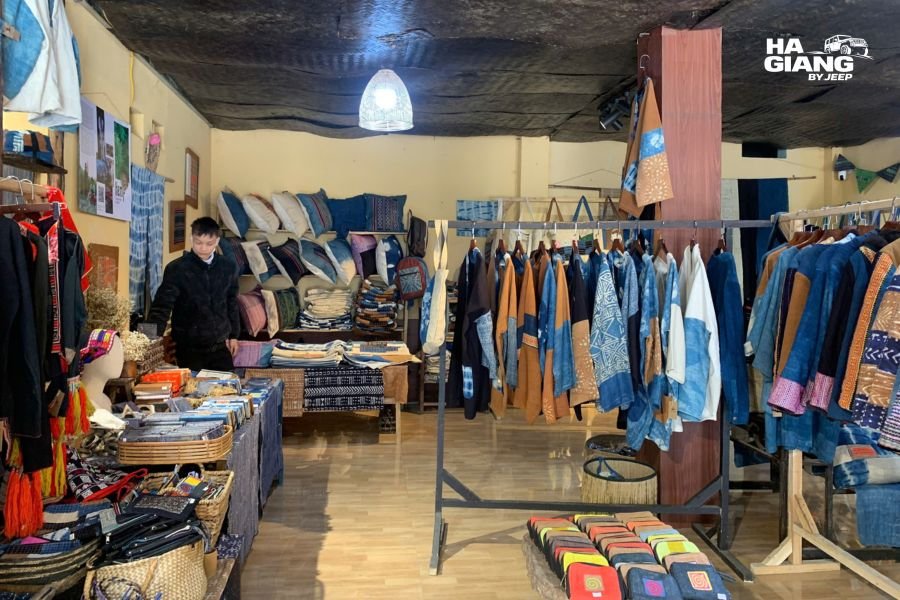
Frequently Asked Questions
What are the best souvenirs to buy in Ha Giang?
Hemp and linen textiles from Lung Tam, shan tuyet tea, local honey, corn wine, silver jewellery and blacksmithed knives. Textiles and tea are the easiest to carry and the most distinctly regional.
Where is the best place to buy Ha Giang souvenirs?
Dong Van Sunday Market has the broadest selection, and Lung Tam Linen Village is the best source for textiles directly from the makers. Dong Van Old Quarter and Ha Giang City have shops open all week if you miss a market.
How much do souvenirs cost in Ha Giang?
Prices vary by item, seller and where you buy, and they change. We do not publish figures. Ask the price before committing, and bring small notes since sellers often cannot break large ones.
Can I bargain at Ha Giang markets?
Some negotiation is expected, but keep it gentle. The amounts usually matter far more to the seller than to you, and pushing hard over a handmade item is not well received.
Is Lung Tam linen worth visiting?
Yes, if your itinerary has room. You see hemp being spun, woven and dyed by hand, and buying at the village means more of the money reaches the maker. It needs about an hour, which shorter itineraries may not have.
Can I take honey or tea home from Vietnam?
That depends on your destination country's rules on importing food and plant products, which vary and change. Check before you buy, pack liquids in checked luggage, and seal them thoroughly.
Can I bring a Ha Giang knife home on a plane?
Only in checked luggage, never in the cabin, and only if your destination country permits it. Some countries restrict blade types and lengths, so check the rules before you buy rather than at the airport.
How do I know if a textile is handmade?
Look at the reverse of the embroidery. Hand stitching shows knots, thread ends and small irregularities, while machine or printed work is uniform. Ask the seller, and buy knowingly either way.
Does indigo dye rub off?
Yes, genuinely indigo dyed cloth often transfers when new or damp. Wash it separately the first few times and do not pack it against light coloured clothing.
Should I buy antique tribal textiles?
Be cautious. Genuinely old pieces can carry cultural significance and some countries regulate their export or import. If a seller emphasises that a piece is antique, ask more questions before buying.
When are the markets in Ha Giang?
Dong Van and Meo Vac markets run on Sunday mornings and start very early. Khau Vai is an annual event set by the lunar calendar, so its date moves. Confirm current dates with us before planning around one.
Do I need cash for souvenir shopping?
Yes. Markets, village sellers and small shops are cash only, and small notes are far more useful than large ones. Withdraw in Ha Giang City before the Loop starts.