
Quick Navigation
What to Pack for Ha Giang Jeep Tour: Complete Checklist + Guide
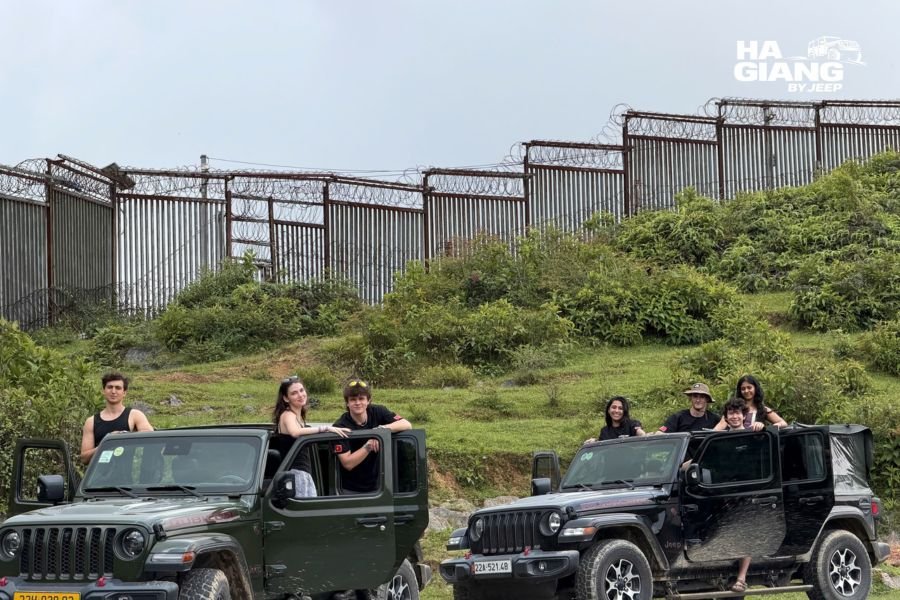
There's a sweet spot between over-packing and under-preparing. Most travelers learn this the hard way, usually around day two of a Ha Giang jeep tour when they realize their thin windbreaker won't cut it at 4,000 feet elevation in a sudden afternoon downpour.
Here's what I've learned from talking to hundreds of jeep travelers, guides, and locals: your packing list isn't about bringing everything. It's about bringing the right things—the ones that let you sleep well, stay comfortable, and actually enjoy the landscape instead of white-knuckling through discomfort.
This guide breaks down what to pack for Ha Giang in ways that matter: climate logic, space constraints, local reality, and the kind of gear that separates a good trip from a great one.
What Makes Ha Giang's Weather So Tricky (And Why Your Suitcase Matters)
Ha Giang sits between 500 and 1,600 meters above sea level, depending on where you are on the Ha Giang Loop. That altitude does things to weather—things that catch lowland travelers off guard.
Altitude and Temperature Swings
On a single day in the mountains, you can experience a 15–20°C temperature drop from valley to peak. You'll leave Ha Giang City in morning warmth (maybe 25°C), climb toward Quan Ba or Ma Pi Leng Pass (dropping to 12–15°C), and if you're heading toward the highest points, dip to single digits.
The sun is aggressive at altitude too. UVA and UVB intensity increases roughly 10–15% for every 1,000 meters you climb. That means sunburn happens faster, deeper, and to parts of you that don't expect it—like the tops of your ears and the back of your neck.
In a private jeep with an open-air soft-top cabin, you're not hidden from this. You're in it—which is the whole point. But it also means preparation isn't optional.
Rain in Every Season
People think "dry season" means no rain. That's not quite true in Ha Giang.
- October to April: Sporadic showers, especially early mornings and evenings. Rain usually clears fast. You'll see dramatic clouds, brief downpours, then clearing skies.
- May to September: Heavier, more frequent rain. Afternoons are risky. Some roads get slippery. Visibility drops. But jeep tours still run—the roads handle it.
- Worst timing: September and early October. Typhoons can swing in from the south. Roads can be briefly impassable. Most tour operators pause or reroute during this window.
The point: rain gear isn't optional in any season. It's baseline.

Clothing: Layers Beat Bulk Every Time
Packing clothes for Ha Giang isn't rocket science if you follow one rule: layers over volume.
A bulky winter jacket takes up your whole bag and works maybe one evening. Three lightweight layers—a merino wool base, a fleece mid-layer, and a waterproof shell—do the same job, pack to the size of a pillow, and handle every scenario.
The Core Layer System
Base layer (skin contact): Merino wool or synthetic blends (polyester/nylon mix). Avoid cotton—it absorbs sweat and takes forever to dry, leaving you cold and clammy.
Good choices:
- Merino wool t-shirt or long-sleeve top (antibacterial, regulates temperature, doesn't smell after days of wear)
- Synthetic quick-dry shirt (lighter, cheaper, works fine)
Bring 3–4 base layers. You'll rotate them, and having extras means you're not rewearing damp clothes.
Mid-layer (insulation): Fleece or thin down jacket.
- Lightweight fleece or micro-fleece (packable, breathable, warm)
- Down vest or lightweight puffer (extremely packable if compressed)
One mid-layer usually suffices. It packs smaller than you'd think.
Outer layer (protection): Waterproof, windproof shell jacket.
This is non-negotiable. Look for:
- Seam-sealed construction (not just water-resistant coating)
- Pit zips or underarm vents (for cooling when you're active)
- Packable into its own pocket (saves space)
Weight: You're aiming for all three layers to weigh less than 2 kg combined.
Footwear That Won't Betray You
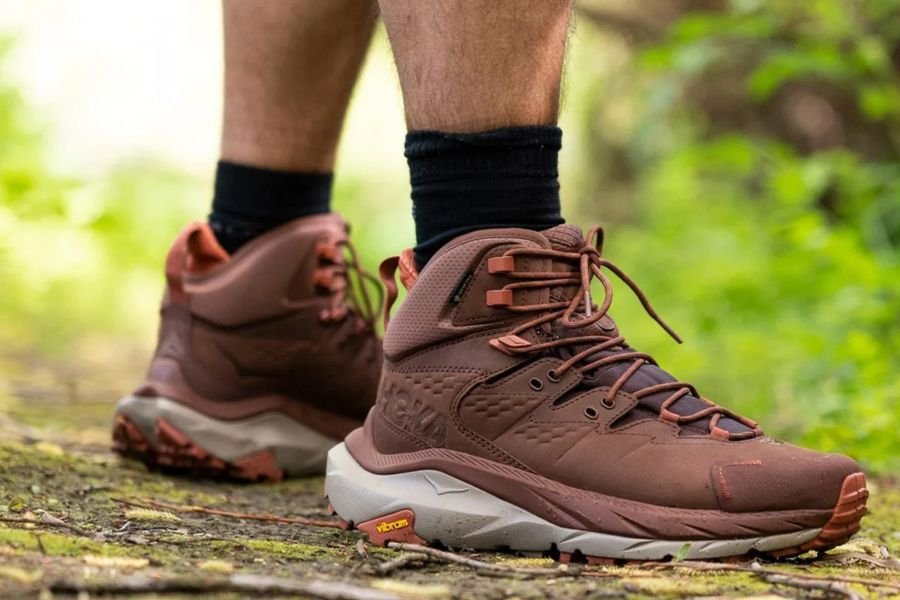
Hiking boots or trail shoes are where people mess up most. They arrive with brand-new Timberlands fresh from the box, or worn-out sneakers that slip on wet rocks.
Good choices:
- Broken-in hiking boots (Salomon, Merrell, Lowa)—ankle support matters on uneven village paths and waterfall hikes
- Trail running shoes (lighter, flexible, good grip)
- Hybrid hiking shoes (middle ground: lighter than boots, more support than trail shoes)
Essential features:
- Aggressive tread (those smooth-soled shoes look good but slide on wet rock)
- Ankle support (if you're over 50 or have weak ankles, boots > hiking shoes)
- Water drainage (perforated uppers or drain holes—your feet will get wet)
- Broken in before arrival (new boots cause blisters over 4+ days)
Bring:
- One primary pair (hiking boot or trail shoe, worn-in)
- One backup pair (casual shoe for evenings, or a second pair of trail shoes if your primary gets soaked)
- Sandals or camp shoes (for evening walkabouts, homestays, rest stops)
Socks matter more than you think. Pack 5–6 pairs of merino wool or synthetic blend hiking socks. One cotton pair, and your toes will hate you by day three.
Warm Layers for Chilly Mountain Evenings
Mountain homestays don't always have excellent heating. Evenings can dip to 10–12°C, and those old concrete walls don't hold heat well.
A fleece hoodie or a lightweight down jacket is essential for lounging in the evening. You'll wear it more than you expect.
Pack:
- One insulated hoodie or sweatshirt
- Or a thin down jacket (packs smaller)
- Thermal leggings or long underwear (especially if traveling October–March)
Protection You'll Actually Need
This isn't about being paranoid. It's about not spending half your trip treating preventable issues.
Sun Shielding (Hat, Sunscreen, Sunglasses)
The sun at altitude is relentless. Your face, ears, neck, and the tops of your hands burn fast.
Hat: Wide-brimmed (at least 7 cm all around)—baseball caps miss your ears and neck. Look for:
- Breathable fabric (mesh panels)
- Adjustable chin strap (wind on mountain roads is real)
- UPF 50+ rating if available
Sunscreen: SPF 50+ (reef-safe, if you'll be swimming). Bring two bottles:
- One large bottle (100+ ml) for body
- One small stick or lip balm SPF (easier to reapply mid-day)
Pro tip: Apply it before breakfast. Not after.
Sunglasses: UV400 protection, polarized lenses reduce glare off stone and water. Bring a backup pair—you'll lose one.
Waterproofing (Rain Jacket, Lightweight Rain Pants)
A rain jacket is your most-used item in Ha Giang. You'll put it on dozens of times.
Rain jacket specs:
- Taped seams (water-resistant coating alone isn't enough)
- Packable (should compress into a pocket or small stuff sack)
- Ventilation (pit zips or back vents, so you don't sweat through it)
Rain pants: Optional but recommended, especially if visiting May–September. Look for:
- Full-length zips (easier on/off without removing boots)
- Packable weight
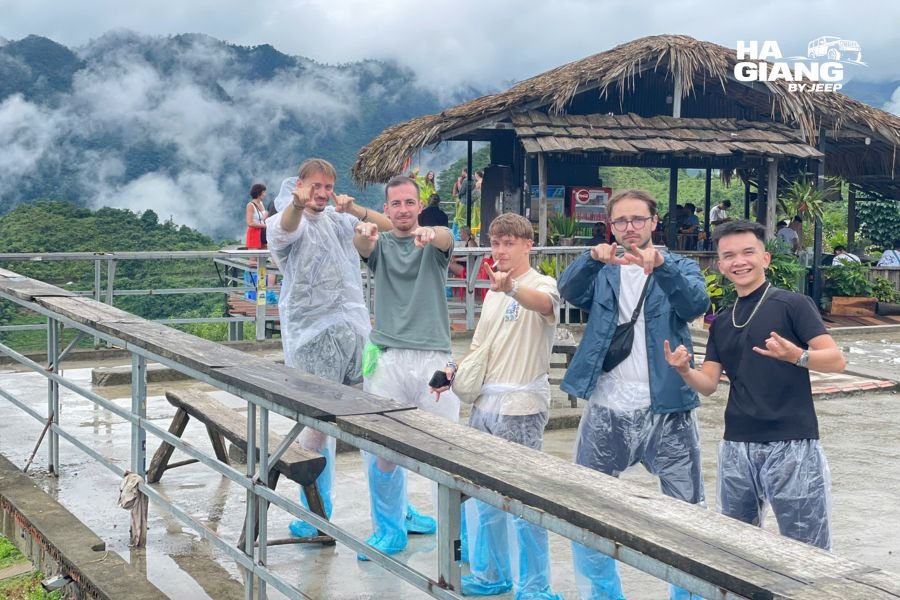
Many travelers skip rain pants and just wear dark quick-dry pants or jeans. That's fine for short showers, but if you're caught in afternoon downpour heading toward Ban Gioc on a 5-day tour, wet legs for the remaining drive is miserable.
Insect Repellent and Skin Protection
Mosquitoes and leeches are real in Ha Giang, especially June–September.
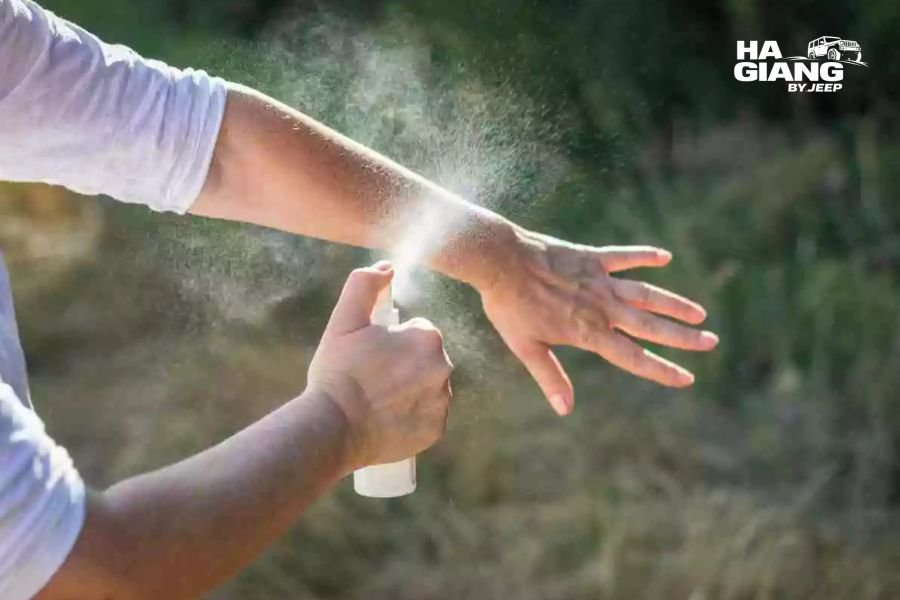
Insect repellent:
- DEET 20–30% (most effective)
- Picaridin 20% (similar effectiveness, slightly less oily feel)
- Reapply every 4–6 hours, or after swimming/heavy sweat
Leech prevention:
- Leeches are most active in wet season (May–September)
- Tuck pants into socks on muddy jungle walks
- Salt in a small bottle works (apply directly if a leech latches on)
- Antimosquito socks or insect-repellent clothing reduces risk
Other skin concerns:
- Rash guard or UV shirt for water activities (Ban Gioc Waterfall, Nho Que River)
- Antihistamine cream (for mosquito bites)
- Antifungal powder (humid conditions = fungal risk if you're prone)
Toiletries and Personal Care: Mountain-Tested Essentials
You're not roughing it without showers. Homestays and guesthouses have running water. But the setup is often basic—cold water, minimal heating, basic soap.
Minimalist Toiletry Kit
Avoid the "just in case" spiral. Pack small, travel-sized versions.
Essentials:
- Toothbrush and toothpaste (small tube)
- Shampoo and soap (two-in-one travel bottles save space)
- Deodorant (stick or travel spray)
- Sunscreen (already mentioned, but it's your most important toiletry)
- Lip balm with SPF
- Feminine hygiene products (if needed—availability in Ha Giang is limited)
- Wet wipes (antibacterial, for hand-cleaning before meals)
- Small hand sanitizer (for after stops at roadside markets)
Nice-to-haves:
- Face wash (mountain water is often cold; a gentle wash helps)
- Moisturizer (dry mountain air)
- Dry shampoo (if you want to extend days between washes)
Keep everything under 1 kg. Remember: most places have basic soap, and you'll look fine a little dusty.
Medications and First Aid Basics
Pack a basic travel first aid kit. You're in rural mountains, and clinics are 30+ minutes away.
Personal medications: Any prescription meds (allergy medication, blood pressure meds, etc.) in original bottles with a copy of the prescription.
Common remedies to bring:
- Headache/fever relief (paracetamol or ibuprofen)
- Antihistamine (allergies, insect bites)
- Antibiotic ointment (cuts, scrapes)
- Blister treatment (hydrocolloid patches work better than anything you'll find locally)
- Anti-diarrhea medication (traveler's stomach happens; Imodium or Pepto)
- Antacid
- Electrolyte powder (for rehydration if you get sick)
First aid:
- Sterile gauze pads and medical tape
- Tweezers (for splinters—common on wooden walkways in villages)
- Scissors (small)
- Pain relief gel (for muscle soreness from sitting)
Doesn't need to be big. A 20 x 10 cm pouch is plenty.
Moisture-Wicking vs. Cotton (Why It Matters)
Cotton absorbs sweat and dries slowly. In a jeep, especially when you're active during stops (hiking, exploring villages), cotton leaves you damp and cold.
Shirts for daytime wear: Synthetic blends or merino wool. Quick-drying, temperature-regulating.
Underwear: Synthetic or merino. Cotton underwear + mountain humidity = fungal rash. Not fun.
Socks: Already covered above—no cotton.
This seems picky, but after day three, these materials make the difference between comfortable and miserable.
Camera, GoPro, Drone: Capture Your Adventure Responsibly
Ha Giang is wildly photogenic. You'll want to document it.
Phones and Batteries Drain Fast in Mountains
Cold temperatures kill phone battery faster—you might see 40–50% battery loss in high-altitude cold. The camera sensor drains power too.
Solutions:
- Keep phones in an inside jacket pocket (body heat helps)
- Use low-power mode throughout the day
- Bring a power bank (see tech section below)
- Carry the phone in an insulated case if temperature drops significantly
Extra Storage Cards and Backups
4K video eats storage fast. If you plan to film, bring extra SD cards or external storage.
Recommended:
- Two 64 GB SD cards (redundancy + space)
- Or one 128 GB card (less to manage, higher risk if it fails)
- USB adapter or card reader for your laptop
Protecting Electronics from Dust and Rain
Mountain roads generate a lot of dust. Waterfall spray and sudden rain are facts.
Protection:
- Weatherproof camera bag or dry bag (even a simple ziplock works)
- Lens cloth (microfiber, dust and fingerprints)
- Silica gel packets in your camera bag (absorbs moisture)
- Waterproof phone case (optional, but smart if you swim or hike to waterfalls)
Drone note: Drones can be flown in Ha Giang, but be respectful—check with your jeep guide before flying near villages or sensitive areas. Elevation limits apply (max altitude ~500m above ground). Battery drain is real at altitude; bring a high-capacity charger.
Documents and Money: The Boring Stuff You Can't Forget
Nothing kills a trip faster than realizing your passport is in a hotel in Hanoi.
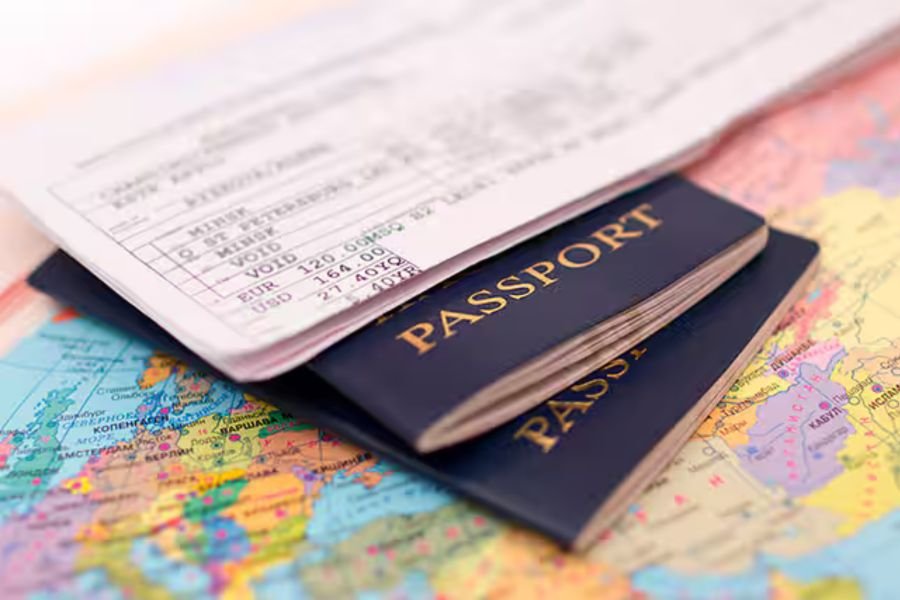
Passport, Visa, Travel Insurance
- Passport: Original (scanned copy in email backup)
- Visa: If required for Vietnam (most visitors get 90-day e-visa)
- Travel insurance: Bring proof of coverage. It's not required, but medical evacuation from rural mountains is expensive.
Photocopy your passport first page. Carry it separately from the original.
Cash and Card Strategy in Rural Ha Giang
ATMs are available in Ha Giang City and a few larger towns, but not everywhere. Card acceptance is spotty in villages.
Strategy:
- Withdraw cash (VND) in Ha Giang City at an ATM before your tour starts
- Keep 2–3 million VND (~$80–120 USD) in mixed denominations
- Carry a backup card (in case one is lost or rejected)
- Notify your bank you're traveling (blocks transaction holds)
- Credit card fees can be 2–3% at ATMs; plan accordingly
Permits for Border Regions (We Handle This)
Some areas near Meo Vac, Khau Vai, and the northern border require permits. Ha Giang by Jeep manages these for you—it's included in your tour price. Don't worry about it. Just bring your passport.
Fuel for the Journey: Snacks, Water, and Local Discoveries
Long days in a jeep with mountain views will make you hungry and thirsty. The strategy: bring enough, but stay flexible for local stops.
Hydration (Bring a Reusable Bottle)
Dehydration at altitude is real. You might not feel as thirsty as you should be.
Bring:
- One good reusable water bottle (1–1.5 liters, insulated is nice for keeping water cool)
- Water purification tablets or a small filter (if you're paranoid about tap water in guesthouses)
Filling up: Tap water in Ha Giang City and towns is generally safe. In villages, ask your guide. Bottled water is available everywhere if you prefer, but it creates plastic waste.
Electrolyte mix: Bring one or two packets (Liquid IV, Nuun, or powder sports drink). Mix into water if you've been active or sweating heavily.
Energy Snacks That Pack Flat
You'll have breakfast at your guesthouse and lunch at stops. But late afternoon—between 4–6 pm—energy dips.
Good packing snacks:
- Energy bars or granola bars
- Dried fruit (raisins, apricots, mango)
- Nuts or trail mix (fill you up, lightweight)
- Beef jerky (protein, keeps well)
- Dark chocolate (morale boost, contains some caffeine)
Avoid:
- Chocolate bars that melt in heat
- Anything sticky (residue attracts dust)
- Foods with strong smells (enclosed jeep + day-old food = not pleasant)
Pack these into one small stuff sack so they're accessible without unloading your whole bag.
Why Stopping at Local Food Stalls Beats Convenience Stores
Here's where a private jeep is genuinely better than organized group tours: you can stop anywhere.
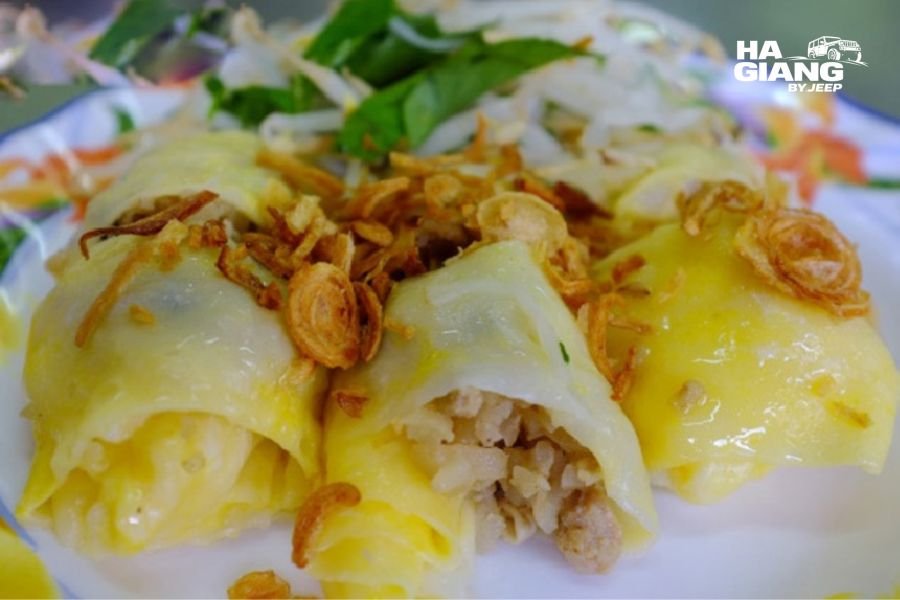
Passed a small banh cuon stall? Stop. Curious about a food vendor at a Sunday market? Spend 20 minutes. Want to try fresh com lam (bamboo rice) being cooked over an open fire? Your jeep guide will pull over.
These unplanned food stops are often the best parts of the trip—better than any itinerary activity. The food is cheaper, fresher, and you're eating what locals actually eat, not tourist-friendly sanitized versions.
Bring cash for these moments. Most stalls don't accept cards.
Tech and Charging: Stay Connected Without Losing the Vibe
You want to share photos. You might want offline maps. Your partner wants to check WhatsApp. That's normal.
Power Bank Essentials
You'll need one. Phones die. Cameras die. GPS drains fast.
Specs:
- 20,000–25,000 mAh capacity (powers a phone 2–3 full charges)
- Fast charging (at least 2 amps output)
- Lightweight (around 300–400 grams)
- USB-C input and output (works with most modern devices)
Bring a wall charger too, so you can top up the power bank each night at your guesthouse.
Universal Adapters
Vietnam uses 220V, 50Hz. Outlets are usually two flat or three round pins (Type A, C, or I).
Bring one universal adapter that handles: US, EU, UK, and Australian plugs. A multi-USB adapter also helps—you can charge multiple devices from one outlet.
Offline Maps and GPS
Cell signal in remote areas is patchy. Having offline maps is smart.
Apps:
- Google Maps (download offline maps of your region before you go)
- Maps.me (great offline capability)
- Gaia GPS (if you're into hiking trails)
Download your maps before the tour starts. It only takes 5–10 minutes and saves you from the "where are we?" panic.
Optional Luxuries That Make a Difference
You've got the essentials. Here are items that, for minimal weight/space, genuinely improve comfort.
Travel Pillow, Packable Blanket
Some guesthouses have thin pillows. A small travel pillow or a compact pillow liner (stuff it with a rolled-up t-shirt) makes evenings better.
A lightweight packable blanket (100 grams) is nice if the guesthouse feels cold at night.
Compression Bags for Space
These work. A compression bag can reduce a fleece jacket to the size of a tennis ball.
Bring 2–3 small compression bags. They save a ton of luggage space and keep things organized.
Binoculars for Cloud Hunting and Wildlife
Binoculars weigh almost nothing (200 grams for decent ones). On misty mornings heading toward Quan Ba or during early hikes, you'll spot birds, distant valleys, and clouds that binoculars make magical.
Nice-to-have, not essential, but it's one of those things that surprises people with how much it adds to the experience.
Packing Pro Tips from Jeep Travelers
After talking to hundreds of people who've done Ha Giang jeep tours, some patterns emerge.
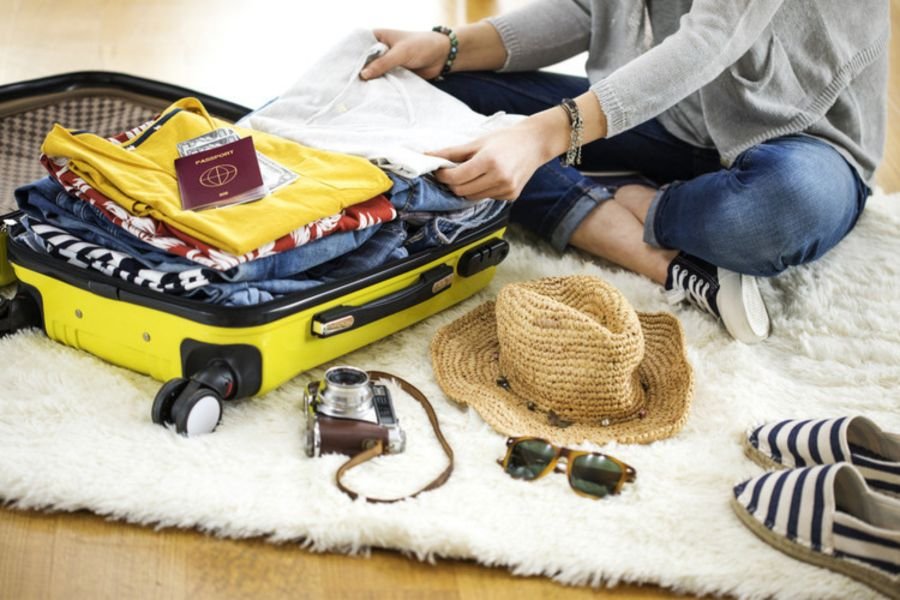
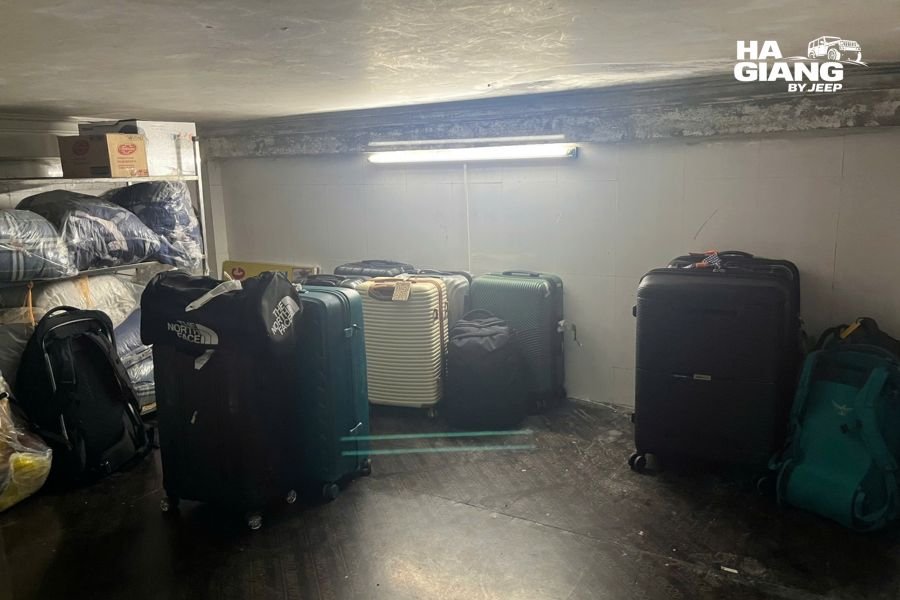
Soft Luggage Works Better Than Hard Cases in a Jeep
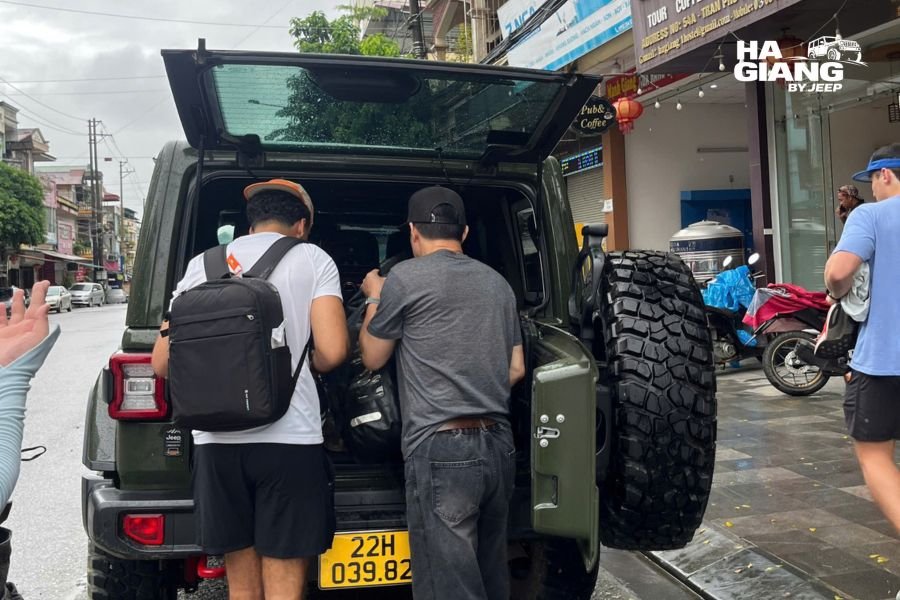
A hard rolling suitcase looks professional, but it's a pain in a jeep. Storage space is compact (though not tiny—the jeep fits 4–6 passengers plus luggage).
Better options:
- Soft travel backpack (60–70 liters, with wheels if you want)
- Duffel bag with handles
- Large hiking backpack
These pack around the jeep interior without wasting space. A rolling suitcase often ends up looking awkward and occupying more floor space than it should.
Keep a Day Bag Separate
Inside your main luggage, have a small backpack (20–30 liters):
- Water bottle
- Camera and phone
- Light layer
- Sunscreen
- Snacks
This stays with you during stops. You're not rummaging through your main bag at every village.
Avoid Over-Packing "Just in Case" Items
This is where most travelers go wrong. You pack a formal shirt in case there's a special dinner (there won't be). You pack multiple pairs of shoes for unknown social situations (there won't be any).
Reality check:
- You'll wear the same pants for 4–6 days straight (it's fine)
- You'll cycle through 2–3 shirts (rotate them)
- You'll wear hiking boots most of the day
- You might dress up exactly zero times
- The "one outfit for a nice restaurant" space could be a second fleece jacket instead
Pack for the activity, not imaginary scenarios.
Which Jeep Tour Matches Your Packing Style?
Packing differently depending on tour length? Absolutely.
| Tour Type | What to Prioritize | Key Items |
|---|---|---|
| 3-day Ha Giang Loop | Light and compact | One warm layer, one rain jacket, essentials only |
| 4-day Ha Giang Loop | More of everything | Extra shirt, second pair socks, thermal layer |
| 5-day Ha Giang + Cao Bang | Hiking-trip level prep | Rain pants, good boots, extra warm layers |
| 6-day Ha Giang + Cao Bang | Full adventure gear | All of the above plus luxuries (pillow, blanket) |
| Jeep Rubicon Self-Drive | You control timing | Pack as if 4–5 days; you're flexible |
Ready to Book Your Ha Giang Adventure?
Your packing list is ready. Now choose your tour and start planning unforgettable memories in the mountains.
Quick FAQ: Common Packing Questions
The jeep comfortably fits a large backpack plus a small day pack per person, plus some shared space for group gear. A soft 60-liter backpack is ideal. If you're bringing a hard suitcase, it's possible but less efficient in the limited cabin space.
Most guesthouses offer laundry service for a small fee (approximately 30,000–50,000 VND per load). If you wash by hand in your room, quick-dry synthetic fabrics dry overnight. Planning to do laundry once during a 5-day tour means you only need 3–4 days of clothes.
Malaria is not common in Ha Giang, but dengue fever and Japanese encephalitis are present (mosquito-borne). Insect repellent and long sleeves at dusk are your best defense. Antimalarial medication is not necessary unless your doctor recommends it.
Yes, but inform your guide. Drones are legal in Ha Giang, but respect local villages—don't fly over people's homes or sensitive border areas. Altitude limit is typically 500m above ground. Battery drain is significant at altitude, so bring extra batteries.
Ha Giang City has shops for basic items. Your jeep guide can help you find anything urgent. That said, avoid forgetting sunscreen—it's harder to find in rural areas, and sunburn will hurt your trip more than most things.
No. There are no formal dinners on a jeep tour. You'll eat at guesthouses and roadside stops in hiking clothes and a fleece. Save the luggage space for practical items that improve your experience.
Insect repellent costs 50,000–150,000 VND depending on brand. But buying quality DEET-based repellent before you arrive is smarter—local options are often weaker or unavailable in remote areas.
Guesthouses are generally clean. Bathrooms are basic—squat toilet or sitting toilet, cold water or warm via a solar shower/heater. Showers work fine. Bring your own towel if you're particular (though most places provide one).
October: Sunny, 15–25°C, occasional morning clouds. November–February: Clear, cool (10–20°C), rare rain. March–April: Warm, variable clouds, occasional showers. May–September: Hot, humid, frequent rain, afternoon thunderstorms. Pack accordingly—cold-weather focused (Nov–Feb) or rain-prepared (May–Sept).
Yes. Viettel and Mobifone have decent coverage in most areas. Buy a local SIM with a data plan for approximately 50,000–100,000 VND (1–2 GB). This keeps you connected without roaming charges and allows you to share photos immediately.
Yes. Every guesthouse has outlets. Bring your power bank and a universal adapter so you can charge multiple devices overnight and stay powered through the day.
Pack Smart, Travel Lighter, Experience More
The best packing list isn't the longest one. It's the one that lets you move freely, stay comfortable, and focus on the landscape instead of your luggage.
Ha Giang's mountains don't care what brand your jacket is or how many backup pairs of shoes you brought. They care that you can see the clouds roll through the valleys, stop for banh cuon whenever you want, and hike to a waterfall without your feet hurting.
Pack smart. Travel lighter. Experience more.