
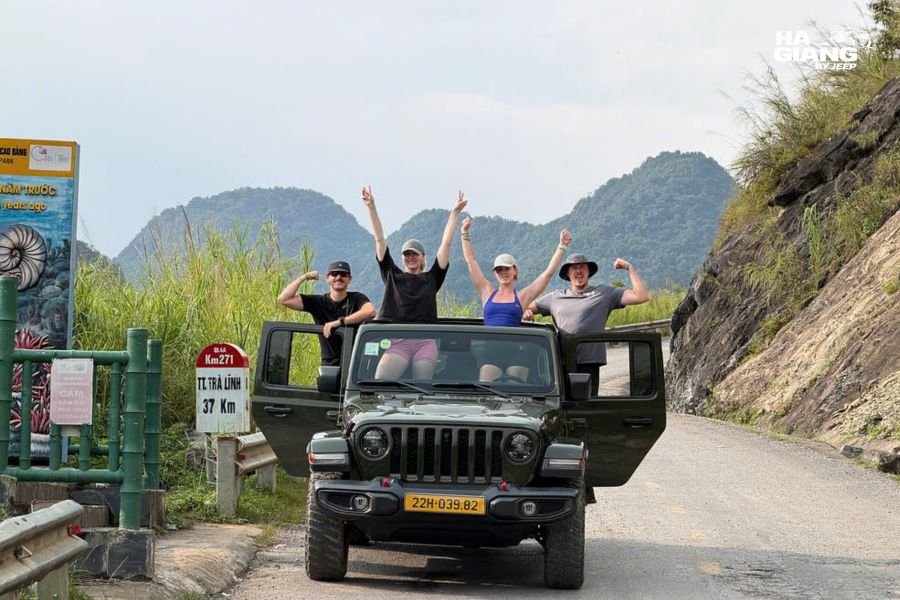
Ha Giang Loop 2026: What to Check, What Has Changed, and What Never Does
Most articles with a year in the title are last year's article with the number swapped. This one tries to be more useful than that.
Planning the Ha Giang Loop in 2026 mostly means planning the Ha Giang Loop, because the mountain does not have a release schedule. The passes, the villages, the markets and the plateau are the same ones that were there last year and will be there next year. That is the point of them.
What genuinely does move year to year is a short and specific list: prices, road repairs, permit and entry procedures, transfer timetables, and how far ahead you need to book. This guide covers that list, tells you where to verify each item rather than trusting a page you found on the internet, and gives you our current prices and transfer times so you can budget properly.
What is in this guide
- What this page is, and what it is not
- What actually changes from year to year
- What does not change, and will not
- The 2026 checklist: what to verify before you travel
- Prices for 2026
- Transfers for 2026
- Planning your month
- Booking lead times, and why autumn fills first
- Local updates from our office
- Which jeep tour is right for you?
- FAQ
What this page is, and what it is not
Plain version, because a lot of "this year" travel articles are not honest about this.
This page is: our current prices, our current transfer options, a checklist of what to verify before you travel, and honest seasonal planning for the year ahead.
This page is not: breaking news. We are a jeep tour operator with an office in Ha Giang City, not a news service. When something genuinely changes on the ground, we will tell you when you enquire, because we know it that week rather than whenever a blog gets edited.
Anything on this page that could go stale is flagged as such. Where we say check locally, we mean it, and it is not a hedge to avoid work. It is because a date, a fee or a road status published in an article is a snapshot, and you are travelling later than the snapshot.
What actually changes from year to year
The genuinely moving parts, in order of how likely they are to affect your trip.
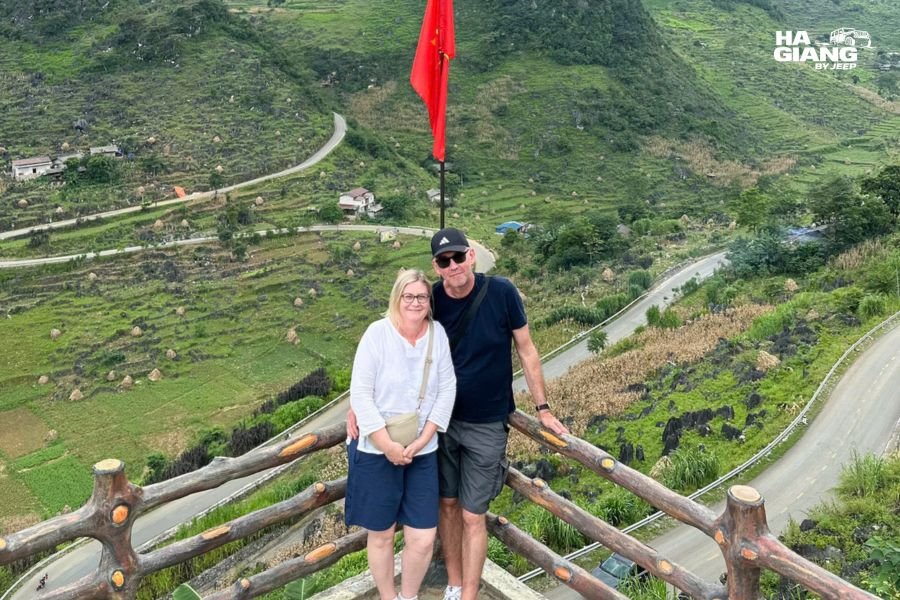
Road conditions and repairs. The most changeable thing in the province. Landslide repair work happens, most often in and after the wet months, and it can close or restrict a section for a period. This does not usually cancel a trip. It reorders a day. Our drivers know the current state of every road on the route because they were on it yesterday.
Prices. Ours are published below and are current at the time of writing. Homestay costs, entrance tickets, boat fares and food prices move locally and we do not publish figures for those, because a stale number is worse than no number.
Entry and visa procedures. These change and they vary by nationality. Check the official Vietnamese immigration channels and your own government's travel advice close to your travel date. We will not summarise them here.
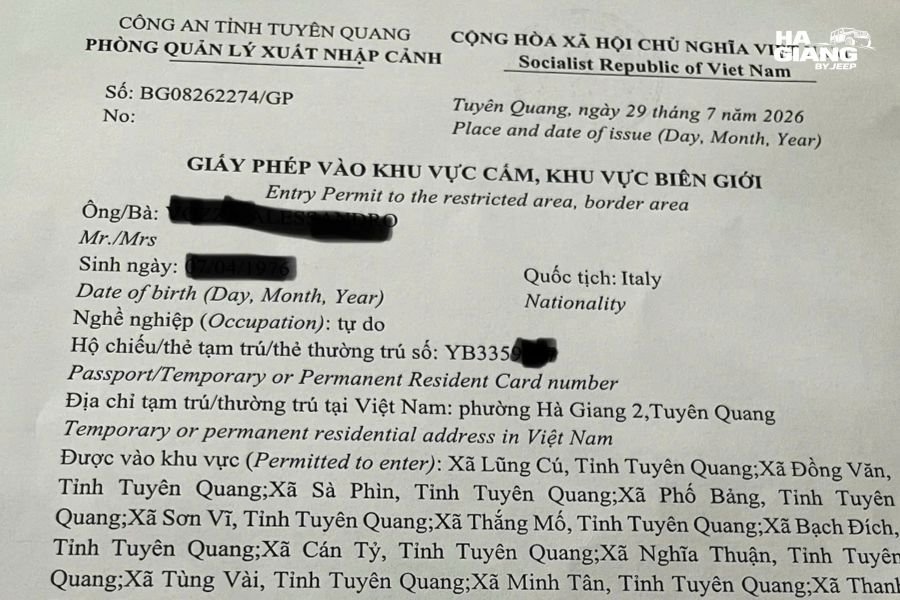
Border area permit procedures. Parts of the loop run close to the Chinese border and foreign visitors need a permit for those sections. We arrange it from our Ha Giang City office. The requirement is long standing, the procedure for issuing it is the sort of thing that can be adjusted, and we confirm current practice close to your dates.
Drone regulations. Strict, permission based, and this is a border region. Do not assume anything you read on a forum is current. Tell us at booking if you are hoping to fly.
How busy it is. Ha Giang has become considerably more visited over recent years. The practical effect is on booking lead times rather than on the experience, since the plateau is large and the crowds concentrate in a few places at a few hours. More on lead times below.
Transfer timetables. Bus and limousine departures are set by operators and do get adjusted. The table below is current. Ask us to confirm when you book rather than planning a flight around a departure time you read in an article.
What does not change, and will not
Worth stating, because it is most of what you are coming for.
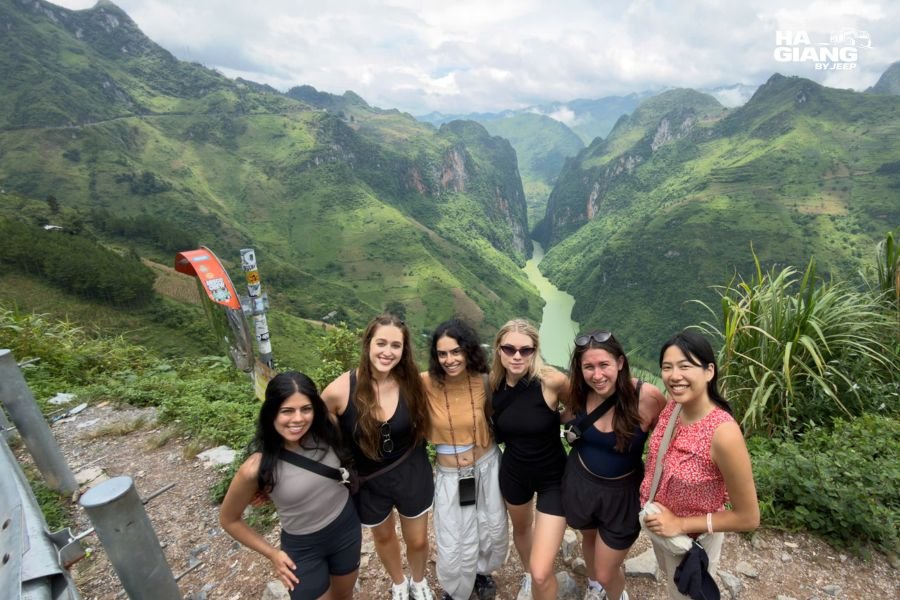
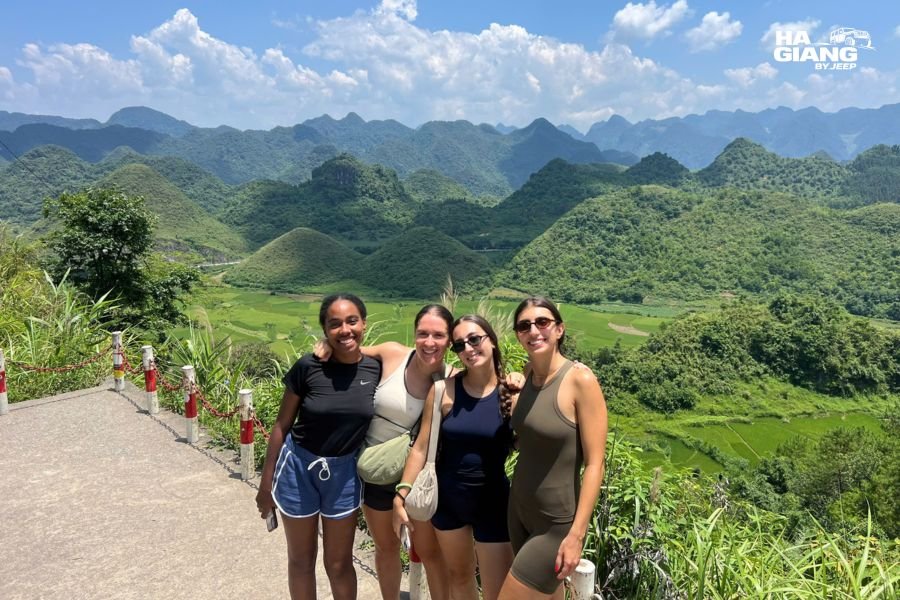
The Dong Van Karst Plateau is a UNESCO Global Geopark and it is limestone that took a very long time to get that way. Ma Pi Leng Pass runs above the Nho Que River exactly as it did. Dong Van Old Quarter is still a small grid of old stone houses under a limestone wall, and its Sunday market is still on Sunday.
Quan Ba, Yen Minh, Sung La, Pho Bang, Lung Cu, Meo Vac and Du Gia are where they were. Lung Tam is still weaving indigo hemp. Khau Vai Market still happens once a year in spring. Maize is still planted in pockets of soil between the rocks, which is the fact that explains most of what you will see.
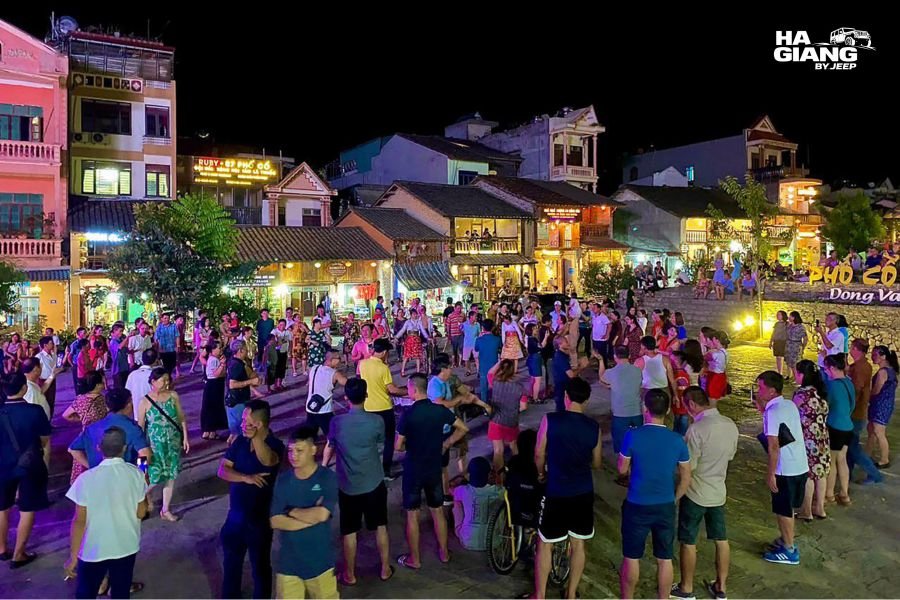
Homestay dinners are still shared plates at a long table with somebody's family, and somebody still produces a bottle of corn wine. That has not changed and it is the part guests talk about afterwards.
If a page tells you that the Ha Giang Loop is fundamentally different this year, be sceptical.
The fastest way to get current information is to ask
Send us your dates and we will tell you the actual state of the roads, which markets fall inside your window, and what the permit situation looks like right now. That takes us a message and saves you an afternoon of contradictory search results.
The 2026 checklist: what to verify before you travel
This is the genuinely useful part of any article with a year in the title. Not what changed, but what you should check yourself and where.
| What to check | Where to check it | When |
|---|---|---|
| Visa and entry requirements | Official Vietnamese immigration channels plus your own government's travel advice | As early as possible, then again a month out |
| Passport validity | Your own passport, against the requirements above | Now. This is the item people leave too late |
| Travel insurance, including age bands and pre existing conditions | Your insurer, in writing | Before you pay a deposit |
| Border area permit procedure | Us, at booking | We handle it. Send passport details early |
| Drone rules | Current Vietnamese regulations, and tell us at booking | Before you pack it |
| Road conditions on your route | Us, close to your dates | 1 to 2 weeks out, and again on the day |
| Which markets fall in your window | Us. Several village markets move week to week | At booking, so we can build the route around one |
| Transfer departure times | Us, at booking. Do not plan a flight around a time from an article | At booking, confirmed again before travel |
| Weather forecast | A current forecast, and expect it to be wrong once | A week out, for packing |
| Vaccinations or health advice | Your own doctor or a travel clinic | Well ahead |
| Tet and public holiday dates for your year | Look them up. Lunar dates move annually | Before you fix dates |
Print that, work down it, and you have done more preparation than most people who arrive here.
Prices for 2026
Current at the time of writing. Every tour is private, so nobody is added to your vehicle. Prices are for the whole group in Vietnamese dong, with an approximate US dollar figure.
| Tour | 1 person | 2 people | 3 people | 4 people |
|---|---|---|---|---|
| Ha Giang Loop, 3 days 2 nights | 15,990,000 VND ($615) | 19,990,000 VND ($769) | 23,990,000 VND ($923) | 25,990,000 VND ($1,000) |
| Ha Giang Loop, 4 days 3 nights | 19,990,000 VND ($769) | 25,990,000 VND ($1,000) | 30,990,000 VND ($1,192) | 33,990,000 VND ($1,307) |
| Ha Giang and Cao Bang, 5 days 4 nights | 27,990,000 VND ($1,077) | 36,990,000 VND ($1,423) | 41,990,000 VND ($1,615) | 46,990,000 VND ($1,807) |
| Ha Giang and Cao Bang, 6 days 5 nights | 36,990,000 VND ($1,423) | 44,990,000 VND ($1,730) | 49,990,000 VND ($1,923) | 54,990,000 VND ($2,115) |
Room upgrades, per room per night. Base price includes a dorm bed.
- Private room for 1 to 2 people: 500,000 VND
- Private family room for 3 to 4 people: 700,000 VND
Jeep Wrangler Rubicon rental: 5,000,000 VND per day for the vehicle, about $192. Requirements for foreign drivers in Vietnam can change, so check the current rules before planning around this.
Paid locally in cash and not published here: food, drinks, entrance tickets and the optional Nho Que River boat. These move around and we would rather not quote a figure you find is wrong on arrival. Draw cash in Ha Giang City, in small notes.
If you are travelling as a larger group, the groups guide works out the cost per person for every group size from four to twelve, including the jeep split that comes out cheapest.
Transfers for 2026
Not included in the tour price. Booked one way, per person. Same prices from Hanoi Old Quarter or Noi Bai Airport.
Hanoi to Ha Giang:
| Departure | Type | Price per person |
|---|---|---|
| 07:00 | Limousine | 400,000 VND |
| 10:30 | VIP Sleeper | 450,000 VND |
| 16:00 | Limousine | 400,000 VND |
| 20:30 | Regular Sleeper | 350,000 VND |
| 21:00 | VIP Sleeper | 450,000 VND |
| 21:00 | Cabin Sleeper | 400,000 VND |
Ha Giang to Hanoi:
| Departure | Type | Price per person |
|---|---|---|
| 16:00 | Limousine | 400,000 VND |
| 18:00 | Regular Sleeper | 350,000 VND |
| 21:00 | VIP Sleeper | 450,000 VND |
| 21:00 | Cabin Sleeper | 400,000 VND |
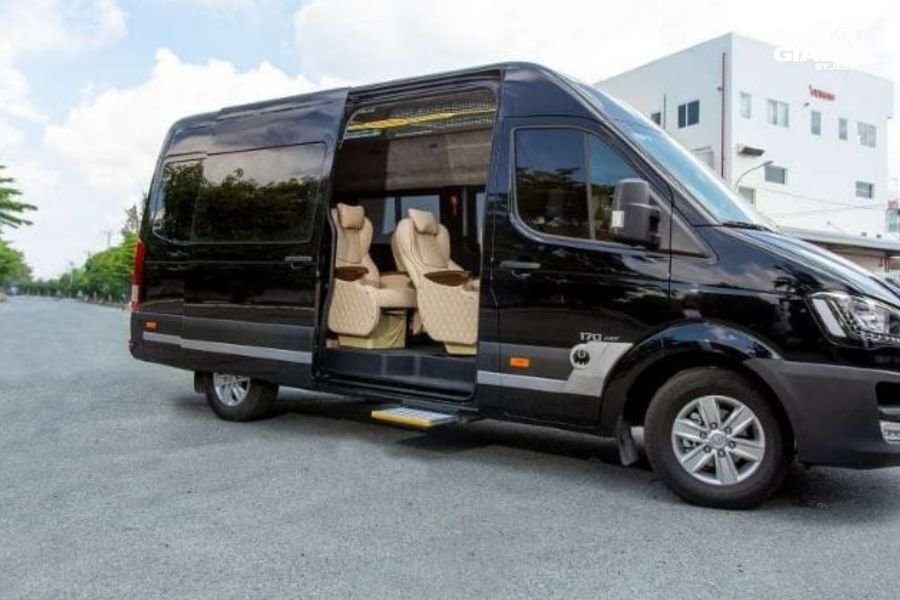
From Sapa to Ha Giang: 11:00 VIP Sleeper 450,000 VND, 11:00 Cabin Sleeper 400,000 VND, 17:00 Limousine 400,000 VND. Back to Sapa: 18:00 VIP Sleeper 450,000 VND or 18:00 Cabin Sleeper 400,000 VND.
If you take a Cao Bang combo, the tour finishes in Cao Bang rather than Ha Giang. Returns to Hanoi Old Quarter or Noi Bai Airport are 16:00 Limousine 450,000 VND, 06:00 next day Limousine 450,000 VND, 11:30 next day Limousine 450,000 VND, 20:30 Cabin Sleeper 450,000 VND, or 20:30 VIP Cabin Sleeper 500,000 VND. Ha Long Bay, Ninh Binh and Cat Ba connections exist and we quote them on request.
Two standing pieces of advice that do not change with the year. Take a daytime limousine and add a night in Ha Giang City before the tour rather than arriving unslept off an overnight bus. And confirm your departure with us at booking rather than building a flight around a time you read here, because timetables are set by the bus operators and do get adjusted.
Planning your month
Seasonal patterns rather than predictions. Weather does what it likes and a current forecast beats any article.
September to November. The busiest window and the most popular for good reason. Cooler, generally clearer, and buckwheat flowers usually appear across the plateau from around late October. Book earliest for these weeks.
December to February. Cold, sometimes very cold at altitude. Fog and low cloud, with the best chance of valley inversions at sunrise. Bare landscape, few visitors, heated vehicle earns its keep.
March to May. Warming, green, plum and pear blossom early in the season. Quieter than autumn and a good balance if the peak weeks are gone.
June to August. Green, dramatic, terraces full, and the wettest months. Rain is heavier and road repairs are more likely to reorder a day. Enjoyable if you are flexible.
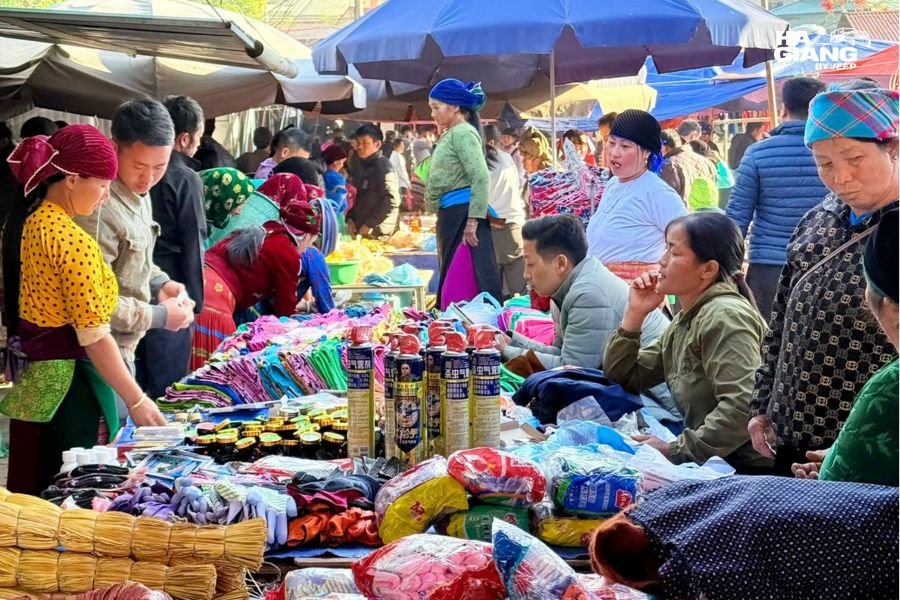
Whatever month you pick, try to land a market morning. Dong Van and Meo Vac hold their main markets on Sunday, and several village markets run on a lunar cycle that shifts them relative to the calendar week. Our market days guide explains how that works. It is the single highest value scheduling decision on a Ha Giang trip.
Booking lead times, and why autumn fills first
The thing that genuinely has shifted over recent years.
Ha Giang is much more visited than it was, and the effect shows up in availability rather than in crowds on the road. Vehicles are limited, and village accommodation in the good places is finite in a way that a city hotel is not.
Practical guidance:
- Late October and November: book as far ahead as you can manage. These weeks go first.
- Any month, groups of eight or more: two to four months ahead. Group accommodation runs out long before individual beds do.
- Any month, couples and solo travelers: one to three months is comfortable.
- Last minute: sometimes fine outside the autumn peak. Ask rather than assuming, and have a second set of dates ready.
Early booking also gives us room to do the parts that take time properly: the border permit, the specific homestays with the rooms you need, and routing the days around a market.
Local updates from our office
This section is where we put things we actually know from being here, rather than things we read.
[SEAN: Road status. Anything currently affecting the loop route or the Ha Giang to Cao Bang corridor. Write what you know from your drivers this month. If nothing, delete this line.]
[SEAN: Anything new locally that you have seen yourself. A new road section open, a site closed for works, a change in how a permit or ticket is handled, a homestay you have started using. Only what you can stand behind. If nothing, delete this line.]
[SEAN: Anything changing in your own operation. New vehicles, a new itinerary, a price change coming, a new route option. This is the one section where you are the primary source and can say whatever is true.]
If those slots are empty, that means we have nothing verified to report, which is a more honest answer than filling the space.
Which jeep tour is right for you?
Ha Giang Loop, 4 days 3 nights. The one we recommend to most guests. The classic loop with room in it, plus Lung Cu and Du Gia, and enough slack to build the route around a market morning. See the 4 days tour
Ha Giang Loop, 3 days 2 nights. The classic loop for a fixed window. Full but not frantic. See the 3 days tour
Ha Giang and Cao Bang, 5 days 4 nights. Two provinces, two UNESCO Geoparks, finishing at Ban Gioc Waterfall. See the 5 days tour
Ha Giang and Cao Bang, 6 days 5 nights. The longest and the slowest, through Bao Lac and the 15 level pass, with Pac Bo, God's Eye Mountain and Ngoc Con Valley. The Cao Bang Loop guide covers the eastern half. See the 6 days tour
Jeep Wrangler Rubicon rental. 5,000,000 VND per day for the vehicle. For confident drivers with the right paperwork who want to run their own schedule. Requirements for foreign drivers can change, so check the current rules first. See rental details
If this is your first trip to Vietnam, the first time visitors guide covers where the north fits in a wider itinerary and whether it belongs on your trip at all. Travelling alone, see the solo travel guide. Travelling with older parents, the senior travelers guide has the effort level for every stop.
Send us your dates and we will do the checking
Roads, markets, permits, transfer times, availability. One message from you, one honest answer from us, and you can stop cross referencing travel articles written at unknown times. Email booking@hagiangbyjeep.com if you prefer.
Ha Giang Loop 2026 FAQ
What is new on the Ha Giang Loop in 2026?
The route, the villages, the passes and the markets are unchanged, because that is what they are. What moves year to year is prices, road repair work, entry and permit procedures, transfer timetables and how far ahead you need to book. Ask us for the current state of any of those rather than relying on an article.
How much does the Ha Giang Loop cost in 2026?
Our private jeep tours start at 15,990,000 VND, about $615, for one person over 3 days and 2 nights. Four people on the same tour is 25,990,000 VND, about $1,000 for the vehicle. Transfers, room upgrades and food are extra and listed above.
Have prices gone up?
The prices published on this page are current at the time of writing. Local costs like food, entrance tickets and boat fares move independently of us and we do not publish figures for those. Ask us for a current quote rather than working from an article you found.
Are the roads on the Ha Giang Loop good?
Mostly paved and in decent condition, and they are mountain roads with drops, blind corners and no barrier in places. Repair work happens, most often in and after the wet months, and can restrict a section for a period. We know the current state because our drivers were on those roads yesterday.
Do I need a permit for the Ha Giang Loop in 2026?
Foreign visitors need a border area permit for the sections close to the Chinese border. We arrange it from our Ha Giang City office and need your passport details in advance. Procedures can be adjusted, so we confirm current practice close to your travel date.
Do I need a visa for Vietnam?
Requirements vary by nationality and change, so check the official Vietnamese immigration channels and your own government's travel advice close to your travel date. Sort it well before you fly rather than close to departure.
How far in advance should I book for 2026?
One to three months for couples and solo travelers, two to four months for groups of eight or more, and as far ahead as you can manage for late October and November. Vehicles and good village accommodation are both limited.
When is the best time to visit Ha Giang in 2026?
September to November is the most popular, cooler and generally clearer, with buckwheat flowers usually from late October. March to May is quieter and green. Winter is cold and dramatic. June to August is the wettest.
Can I fly a drone on the Ha Giang Loop?
Do not assume so. Rules are strict, permissions are required and this is a border region. Check the current regulations before you travel and tell us at booking if you are hoping to fly.
Is the Ha Giang Loop crowded now?
It is much more visited than it was, and the effect is mainly on availability rather than on the experience. Crowds concentrate at a few viewpoints at a few hours of the day. Booking early and starting early both solve most of it.
Have the bus timetables changed?
The times on this page are current, and operators do adjust them. Confirm your departure with us at booking rather than building a flight around a time from an article. That advice does not change with the year.
Where do I get genuinely current information?
From us, when you enquire. Our office is in Ha Giang City and our drivers are on these roads every week, so we know the state of things this week rather than whenever a page was last edited.