Ha Giang ATM and Cash: What to Bring on the Loop
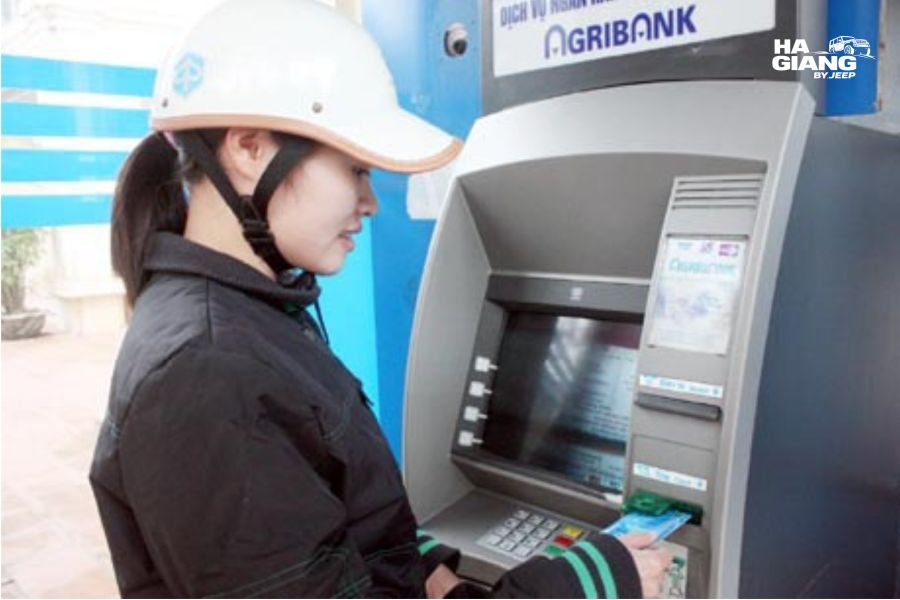
Finding a Ha Giang ATM is not difficult in the city. Finding one in a village at four in the afternoon when you have run out of small notes is a different situation entirely, and it is the one this guide is written to prevent.
The mountains run on cash. Not because anywhere is backward, but because the amounts are small, the businesses are family run, and card terminals need a connection that is not always there. A traveler who arrives with a card and no plan will spend three days feeling awkward. A traveler who spends fifteen minutes preparing will not think about money once.
This guide covers where the machines actually are, how much to bring, which notes matter, what accepts cards, and how to avoid the two or three mistakes that catch people out.
What is in this guide
- The short answer
- Where the ATMs are
- Getting cash before you leave the city
- How much cash to actually carry
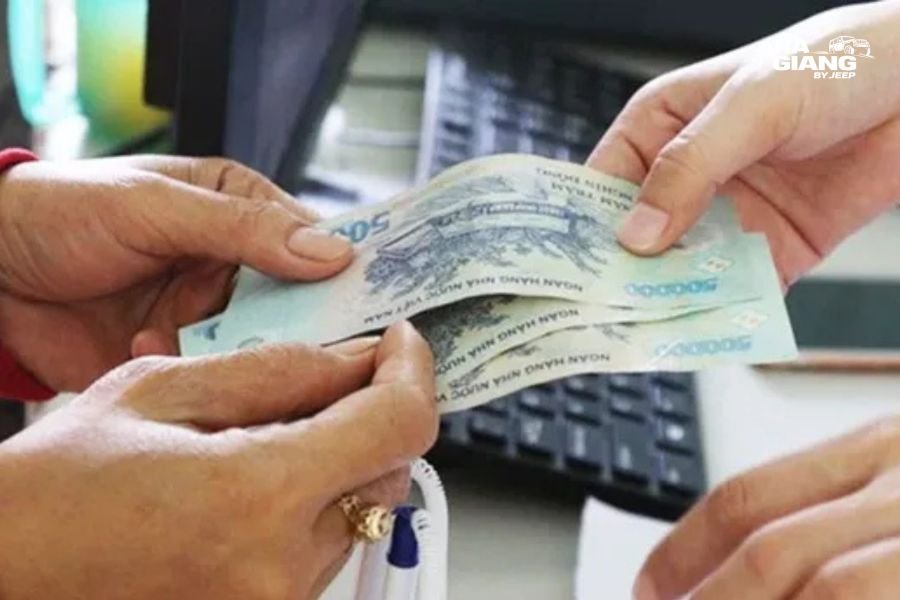
- Understanding Vietnamese notes
- Small notes are the real currency up here
- What takes cards and what does not
- What you will actually spend money on
- Tipping: an honest answer
- Keeping cash safe on the road
- Common mistakes and things to watch for
- Which jeep tour suits you best
- FAQ
The Short Answer
The compressed version, if you want it now:
- Withdraw in Ha Giang City before the Loop starts. This is the single most important step.
- Machines exist in the main towns. They also run empty, go offline, or reject foreign cards without explanation.
- Carry more than you think you need. Running short in a village is a genuine inconvenience, carrying extra is not.
- Small notes matter more than the total. A pocket of 10,000 and 20,000 notes solves more problems than a large note ever will.
- Cards work in some hotels and restaurants in towns. Assume they do not work anywhere else.
- Tell your bank you are travelling. Cards blocked for suspected fraud are a real and very avoidable problem.
Everything below is the detail.
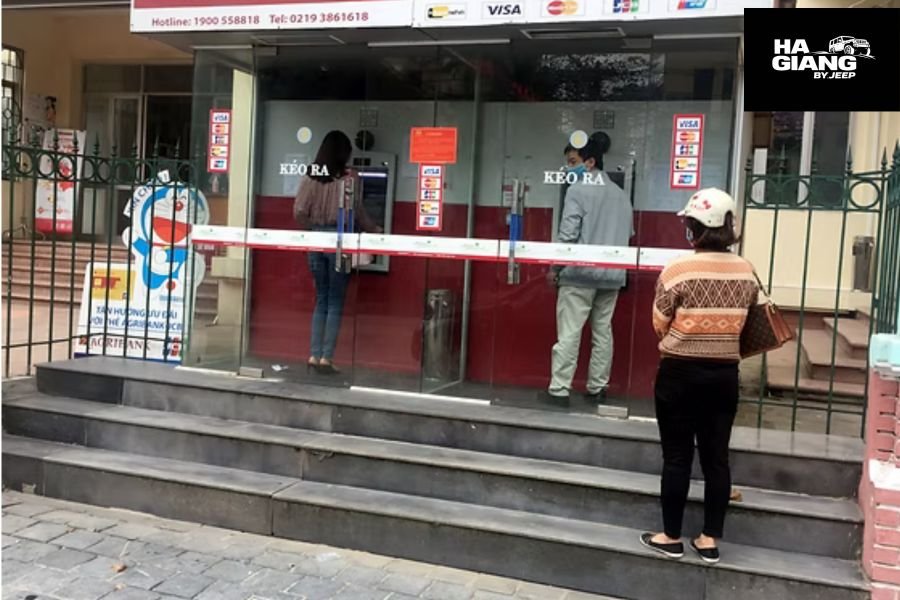
Where the ATMs Are
Machines are concentrated where banks have branches, which means towns.
| Location | What to expect |
|---|---|
| Ha Giang City | The best selection on the whole route. Multiple banks, several machines |
| Quan Ba and Yen Minh | Machines exist in town, fewer options |
| Dong Van | Machines in and around the town centre |
| Meo Vac | Machines in town |
| Villages, passes, homestays | None. Do not plan around finding one |
| Cao Bang City (combo tours) | Good selection, similar to Ha Giang City |
Three practical realities that no map shows you.
Machines run out of cash. Especially around weekends, holidays and market days, when local demand spikes. A working machine on Friday can be empty on Sunday morning.
Not every machine accepts every foreign card. International card acceptance varies by bank. If one machine rejects your card, try a different bank's machine before assuming the card is the problem.
Fees and withdrawal limits vary and change. We do not publish figures on this because they differ by bank, by card issuer, and by the year you happen to be reading this. Check with your own bank before you travel and read the on screen fee notice before confirming any withdrawal.
The takeaway is not that machines are rare. It is that they are not reliable enough to be part of a daily plan.
Getting Cash Before You Leave the City
The best moment to sort out money is the morning your trip starts, in Ha Giang City, before the jeep leaves.
- Withdraw the full amount for the trip. Not a daily amount. The whole thing, plus a margin. There is no advantage to withdrawing little and often when the machines get sparser as you go.
- Use a machine attached to a bank branch during opening hours. If the machine swallows your card, which occasionally happens anywhere in the world, there are staff on the other side of the wall.
- Take a moment to break large notes. More on this below, and it matters more than the withdrawal itself.
- If you are exchanging cash rather than withdrawing, do it at a bank or an authorised exchange counter, in a city, and count what you receive before leaving. Exchange rates and where you get the best one are not things a blog post can tell you accurately.
- A backup card, stored separately, is worth the trouble. Cards get demagnetised, blocked, retained by machines, and lost. A second card in a different bag turns a trip ending problem into a mild annoyance.
Ask us what you will actually need to spend
Every itinerary is different. Tell us your dates and group size and we will give you a straight picture of what is included, what is not, and roughly what people in your situation end up spending on the road.
WhatsApp us See the 3 Days LoopHow Much Cash to Actually Carry
We will not give you a number, and here is why that is the honest answer rather than a dodge.
What you spend depends on your itinerary, whether meals are included, whether you upgrade rooms, how much you buy at markets, how many entrance fees your route includes, whether you drink in the evenings, and how many people you are travelling with. A figure that fits one couple on a three days trip would be wrong for a family of four on six days.
What we can give you is a method.
- Find out what is already covered. Ask your operator directly what the tour price includes. On our trips the itinerary spells out what is covered and what is not, and asking before you travel means you are not guessing at a machine.
- List what is genuinely on you. Typically that means drinks, snacks, souvenirs, some entrance fees, tips, anything you buy at markets, and any upgrades you choose along the way.
- Estimate generously and add a margin. Then add the same margin again. Unspent dong is easy to change back or spend in Hanoi. Cash you do not have in a village at dusk is a real problem.
- Split it. Do not carry the whole trip's money in one wallet.
The asymmetry is the whole point. Carrying too much costs you nothing. Carrying too little costs you an afternoon.
Understanding Vietnamese Notes
Vietnamese currency is the dong. A few things are worth knowing before you are standing at a stall trying to work out what you just handed over.
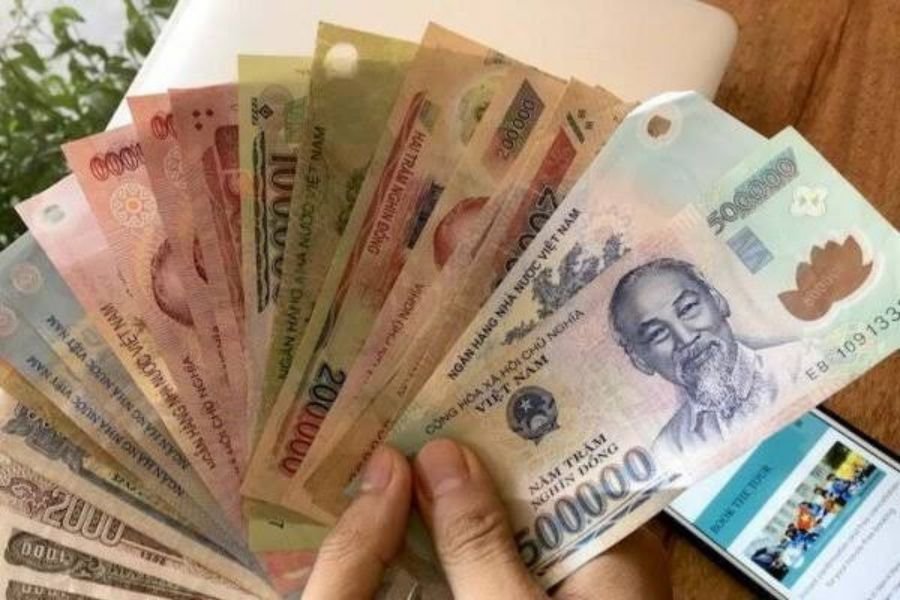
The zeros take adjusting to. Prices carry more digits than most travelers are used to. A useful habit early in a trip is to slow down and read the number twice rather than glancing at it.
The polymer notes look alike. Several denominations share similar colours and sizes, and a couple of them are genuinely easy to confuse in poor light or in a hurry. This trips up travelers constantly, and it is a mistake in both directions: overpaying by handing over the wrong note, or being short and not realising.
The fix is boring and effective. Sort your notes by denomination when you receive them, keep the big ones somewhere separate from the ones you are spending, and check under actual light rather than in a dim shop doorway.
Coins are effectively out of circulation. Everything is notes.
Damaged and heavily worn notes can be refused. If a note comes back to you badly torn, ask for a different one at the time rather than discovering the problem two days later.
Small Notes Are the Real Currency Up Here
This is the section most guides skip and the one that will make the most practical difference to your trip.
A village shop, a roadside stall, a woman selling fruit at a market, a family homestay taking payment for drinks. All of these deal in small amounts. Handing over a very large note for a small purchase puts the seller in an awkward position, and often they simply cannot break it.
- Break your big notes in the city. Buy something small at a supermarket, a chain convenience store, or a busy cafe in Ha Giang City and ask for change. Do this deliberately, before you leave.
- Keep a working pocket. Small notes in an accessible pocket for the day's small purchases. Larger notes stored away for accommodation, fuel if you are self driving, and bigger items.
- Refill the working pocket every evening. Sixty seconds at the homestay before dinner, sorting what you have. This one habit removes almost every awkward money moment on the trip.
- Small change is a courtesy, not just a convenience. Being the traveler who always has the right amount makes every transaction faster and friendlier, particularly at markets where the seller may be dealing with several people at once.
If your driver stops at a market and you want to buy something, ask him roughly what things cost before you approach. He is not there to negotiate for you, but knowing whether something is a small note or a large note purchase avoids the fumbling.

What Takes Cards and What Does Not
A rough shape, with the same caveat as everything else in this guide: it varies and it changes.
Generally accepts cards. Hotels in Ha Giang City, Dong Van and Cao Bang City. Some larger restaurants in towns. Some tour operators for the booking itself, which is a separate matter from spending on the road.
Generally does not accept cards. Homestays. Village shops. Markets. Roadside food stalls. Small cafes. Entrance fees at most sites. Anything involving a family business rather than a company.
Two things to be aware of even where cards work. Some places add a surcharge for card payment, and connections drop, which means a terminal that worked yesterday may not work today. Always have enough cash to cover the bill anyway.
Mobile payment apps are widespread in Vietnam, but they are generally set up for people with a Vietnamese bank account. Most short term visitors will not be using them.
Treat cards as a convenience in towns and cash as the actual system.
What You Will Actually Spend Money On
Without giving you numbers, here is the shape of it so nothing surprises you.
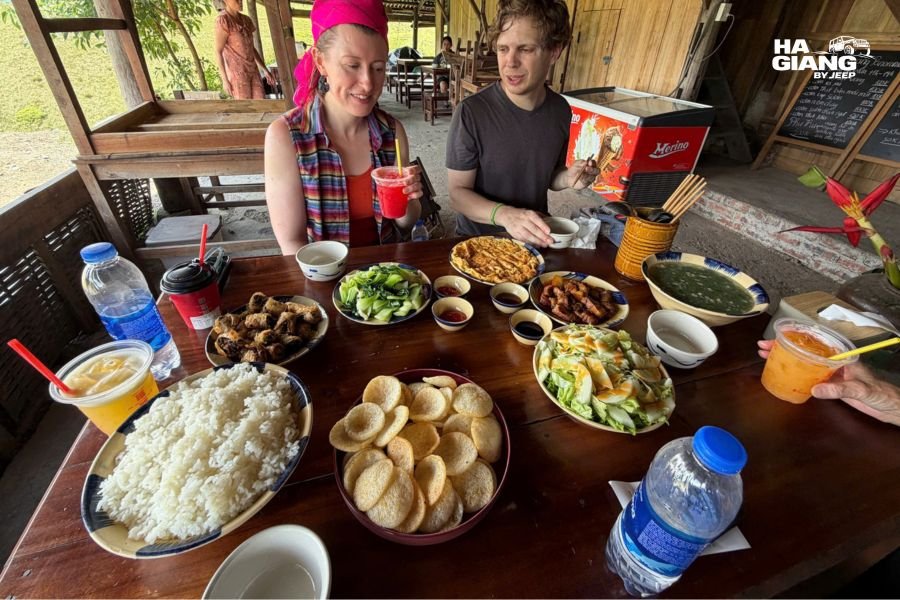
- Drinks. Water, coffee, beer, soft drinks. Small individually, adds up across three or four days, and almost always cash.
- Snacks and roadside food. Com lam from a stall, banh cuon trung for breakfast in Dong Van, thang den on a cold evening. Small notes, always.
- Market purchases. Textiles at Lung Tam Linen Village, produce, souvenirs, whatever catches you at Dong Van market on a Sunday morning. Bring more than you plan to spend here, because this is where people change their minds.
- Entrance fees. Some sites along the route charge admission. Amounts and which sites charge can change, so ask your driver on the day rather than budgeting from an old blog post.
- Room upgrades. If you decide on the road that you would rather have a private room than a dorm bed, that is an on trip decision with an on trip cost. Worth asking about before you leave so you know your options.
- Anything you did not plan. A bottle of corn wine you decided to take home. A second coffee. A hat because the sun was stronger than expected. This category is always bigger than travelers estimate.
Tipping: An Honest Answer
Tipping is not a fixed obligation in Vietnam the way it is in some countries. It is genuinely discretionary, and nobody will treat you badly for not doing it.
That said, tipping a driver or guide at the end of a multi day trip is common among international visitors and is appreciated. It is a thank you, not a required part of the price.
We will not print an amount. Any figure a company publishes for tipping its own staff creates an expectation, and that is not a comfortable thing to do to a guest. If you would like a sense of what is normal, ask us directly and we will give you an honest answer rather than a suggested minimum.
Practical points if you do tip. Have it ready in cash, ideally before the last day. Machines are not part of the last morning. And if you had a good trip, saying so specifically, and leaving a review, is worth more to a local driver's future bookings than the money is.
Keeping Cash Safe on the Road
Ha Giang is a region where travelers generally report feeling safe. Ordinary sense is still worth applying, mostly against loss rather than theft.
- Split your money. Some in a day wallet, some in your main bag, some somewhere else again. Losing one wallet should never mean losing everything.
- Do not keep everything in a back pocket. In markets and crowds, front pockets and zipped bags.
- Keep the day's spending separate from the trip's money. This also stops you flashing a thick wad of notes at a fruit stall, which is neither safe nor tactful.
- Photograph your cards, front and back, and store the images somewhere you can reach offline, along with the number to call if a card is lost.
- In a jeep, your bag stays with you. No panniers, no straps, no unpacking and repacking every stop. Your things sit in the vehicle, dry, and you take what you need when you get out.
- At homestays, use the room if there is one that locks. Most travelers on this route have no problems at all, and the most common loss is genuinely just leaving something behind in a rush.
Common Mistakes and Things to Watch For
General caution rather than warnings about specific people. The overwhelming majority of interactions here are straightforward and friendly.
- Not telling your bank you are travelling. A card blocked for unusual activity while you are four hours from a city is a bad afternoon. One phone call or app notification before you fly prevents it.
- Withdrawing at the last minute. The machine you were counting on is empty, offline, or does not take your card. Withdraw earlier than feels necessary.
- Only bringing large notes. Covered above, and it is the most common one.
- Not checking the on screen fee before confirming a withdrawal. Machines display the charge before you commit. Read it.
- Accepting a bad rate without comparison. If you are exchanging cash rather than withdrawing, compare in a city where you have options.
- Not counting change in a hurry. Not because anyone is trying anything, but because the notes look alike and everyone makes mistakes, including you.
- Assuming a price without asking. At markets and roadside stalls, ask the price before you commit to buying. This is normal behaviour, not rudeness.
- Leaving cards in machines. Some machines return the card after the cash. Wait for it.
Which Jeep Tour Suits You Best
Trip length changes how much town time you get, and town time is where the machines are.
| Option | Money planning notes | Best for |
|---|---|---|
| 3 Days 2 Nights Loop | Withdraw in Ha Giang City, one town stop mid trip | Short trips, the core route, Ma Pi Leng and Dong Van |
| 4 Days 3 Nights Loop | More town evenings, more market opportunities to spend at | A fuller Loop, slower pace, more villages |
| 5 Days 4 Nights to Cao Bang | Ends in Cao Bang City where machines are plentiful again | The Loop plus Ban Gioc and the Quay Son valleys |
| 6 Days 5 Nights to Cao Bang | Longest gap between good machines, plan the largest margin | The unhurried version across two Geoparks |
| Jeep Wrangler Rubicon rental | Add fuel to your cash planning, and carry more | Confident self drivers who want full freedom |
One practical difference worth naming. On a guided trip, the person driving you knows which shops break large notes, where the working machine in town is, and roughly what a thing should cost at a market. That is not a headline feature anybody advertises, and it is the sort of thing that quietly removes a whole category of small stress from a trip.
If you are renting and driving yourself, budget fuel into your cash planning and carry a larger buffer, since you are the one making every stop decision.
Plan the trip, not just the money
Send us your dates and group size. We will tell you plainly what is included, what you should expect to pay for on the road, and which itinerary fits. Book early once your dates are set, jeep availability is limited and most guests book 1 to 3 months ahead.
WhatsApp us Book now Contact
Frequently Asked Questions
Are there ATMs on the Ha Giang Loop?
Yes, in the towns. Ha Giang City has the best selection, and there are machines in Quan Ba, Yen Minh, Dong Van and Meo Vac. There are none in villages, on passes, or at homestays.
Where is the best place to withdraw cash before the Loop?
Ha Giang City, on the morning your trip starts, at a machine attached to a bank branch during opening hours. Withdraw the full amount for your trip rather than a daily amount.
Do ATMs in Ha Giang accept foreign cards?
Many do, but acceptance varies by bank and machine. If one rejects your card, try a different bank's machine before assuming the card is the problem. Tell your bank you are travelling before you fly.
How much cash should I bring on the Ha Giang Loop?
It depends on your itinerary, group size and what your tour includes, so ask your operator what is covered first. Estimate what is genuinely on you, then add a generous margin. Carrying extra costs nothing, running short costs an afternoon.
Can I pay by card in Ha Giang?
In hotels and some larger restaurants in towns, usually yes. Homestays, village shops, markets, roadside stalls and most entrance fees are cash only. Always carry enough cash to cover a bill even where cards are accepted.
What are ATM fees in Vietnam?
Fees and withdrawal limits vary by bank and by your own card issuer, and they change. Check with your bank before travelling and read the fee notice on screen before confirming a withdrawal.
Why do I need small notes in Ha Giang?
Most purchases in villages and at markets are small, and sellers often cannot break a very large note. Break big notes at a supermarket or busy cafe in the city before you set off, and keep small notes in an accessible pocket.
Is it safe to carry cash on the Ha Giang Loop?
Travelers generally report feeling safe in this region. Split your money across a day wallet and your main bag, keep valuables in front pockets or zipped bags, and photograph your cards in case one is lost.
Should I tip my driver in Ha Giang?
Tipping is discretionary in Vietnam and nobody will treat you badly for not doing it. It is common among international visitors at the end of a multi day trip. Ask us directly if you want a sense of what is normal rather than working from a published figure.
Can I exchange money in Ha Giang City?
It is possible, but cities give you more options and better comparison. Use a bank or an authorised exchange counter, and count what you receive before you leave the counter.
What happens if I run out of cash mid trip?
You wait until the next town with a working machine, which may be the following day depending on your itinerary. This is the situation worth preparing for, and the reason to withdraw generously at the start.
Do I need cash for the tour itself?
Ask your operator how they handle payment, since arrangements differ. What you should plan cash for is spending on the road: drinks, snacks, markets, entrance fees, upgrades and tips.