
Quick Navigation
Getting to Ha Giang from Hanoi: 4 Transport Options Explained
Hanoi feels a world away from Ha Giang's limestone mountains and valley villages. But the 360-kilometer journey north is more accessible than you might think—and the route itself is half the adventure.
Most travelers reach Ha Giang within 8 to 12 hours, depending on which transport option you choose and how many stops you make. The good news: you have real choices. Skip the stressful motorbike anxiety, book a private jeep tour, rent a vehicle yourself, grab a sleeper bus, or power through with your own wheels. Each path has a different feel, different costs, and a different payoff.
This guide breaks down all your options, the actual route, seasonal realities, and what to expect when you arrive in Ha Giang City ready to explore.
The Hanoi to Ha Giang Journey at a Glance
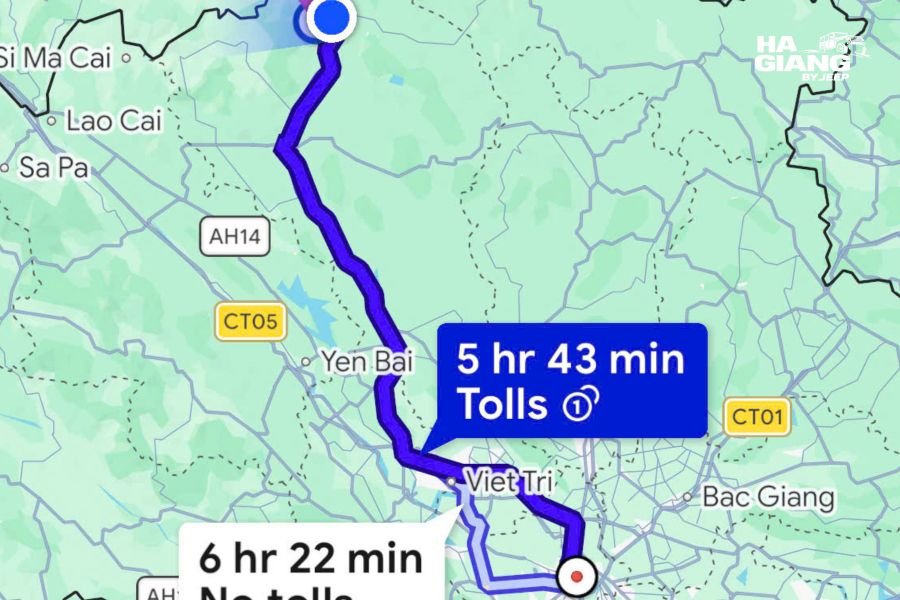
Ha Giang City sits 360 kilometers north of Hanoi, roughly 8 to 10 hours by car depending on traffic, road conditions, and how many times you stop to sightsee or eat. The drive heads north via Highway 2, climbing gradually into mountain terrain as you leave the Red River Delta behind.
The road itself has improved significantly in recent years. While mountain sections require careful navigation and can feel winding, the route is well-maintained and heavily trafficked enough that help is never far away. Fuel is available in most towns. Phone signal is generally reliable all the way north.
The key to this journey isn't speed—it's choosing the right transport style for your comfort level and goals.
Option 1: Private Jeep Tour (Recommended for Comfort + Flexibility)
A private jeep tour is the most comfortable and least stressful way to reach Ha Giang. You're not driving, not sharing a cramped minibus seat with strangers, and not handling logistics. Someone else manages the vehicle, navigation, fuel, and troubleshooting.
What to Expect with a Guided Jeep Tour
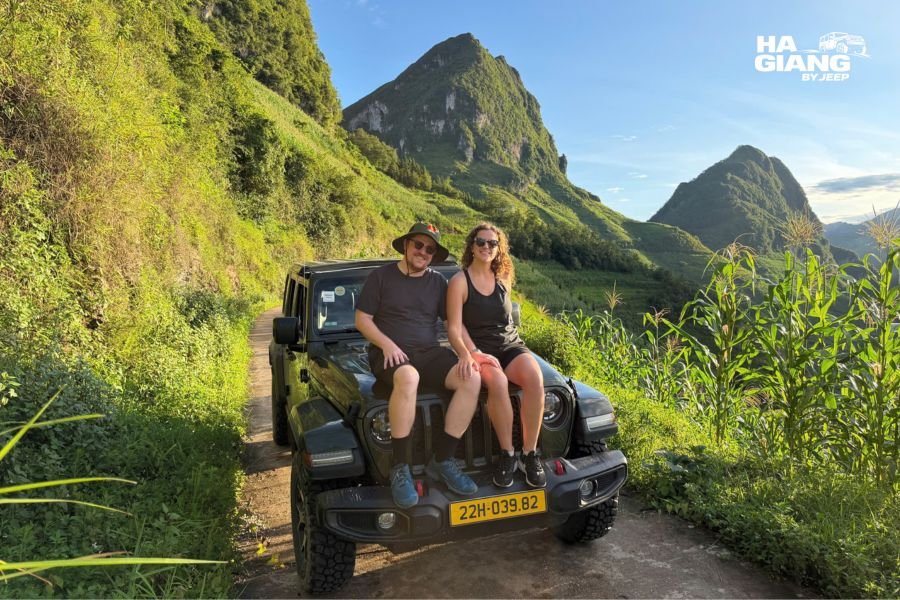
A private jeep tour typically departs Hanoi early morning (6 am to 8 am), picking you up from your hotel in the city center. You'll ride in a Jeep Wrangler or similar 4x4 with an English-speaking local driver who knows the route intimately.
The vehicle is designed for this terrain: open-air soft-top cabin, excellent visibility, comfortable seats, and enough ground clearance to handle rough sections. You're not squeezed into a tour bus. You're in a small group (usually 2–6 people, often just you and a partner), which means you can stop whenever something catches your eye.
The journey itself is a guided experience. Your driver will point out landmarks, explain local culture, suggest stops, and manage timing so you're not rushing. Most tours include a lunch break at a local restaurant (food cost may or may not be included—check your booking details).
Arrival in Ha Giang City is typically late afternoon (4 pm to 6 pm), giving you time to check into accommodation and grab dinner before settling in.
Pickup from Central Hanoi
Hotels in central Hanoi (Old Quarter, Hoan Kiem area, French Quarter) usually offer convenient hotel pickup. Some operators charge a small fee for pickups far outside the city center (Noi Bai Airport area), but most include it.
You'll confirm pickup time and location when you book. Arrive a few minutes early—drivers are usually punctual, and delays cost travel time.
Scenic Stops Along the Way
Smart tour operators build in 2–4 stops between Hanoi and Ha Giang. Common stops include:
- Thai Nguyen City (2–3 hours north): Quick fuel/bathroom break, or optional visit to a local tea plantation
- Bac Kan Province (5–6 hours): Lunch stop at a local restaurant serving regional dishes
- Tuyên Quang Province (7 hours): Last chance to buy snacks, use facilities, or stretch legs before climbing into steeper mountain terrain
- Scenic pullouts along mountain roads: Photo opportunities with valley views and local villages visible below
A good tour operator doesn't force you to sit passively. They enable stops for photos, food, and genuine interaction with the landscape.
Pricing and Inclusions
Private jeep tours from Hanoi to Ha Giang typically range from $120 to $220 per person depending on group size and what's included.
What's usually included:
- Hotel pickup and drop-off in Hanoi
- Vehicle and English-speaking driver
- Fuel and tolls
- Stop suggestions and local knowledge
What's usually NOT included:
- Meals (unless specifically stated)
- Entry fees to attractions (if you stop at them)
- Tips/gratuities for the driver
What to ask before booking:
- Is lunch included, or should I budget for it?
- What's included in the tour—just transport, or guided commentary too?
- What happens if the vehicle breaks down? (Answer: most operators have backup plans and insurance)
- Can I request specific stops, or is the itinerary fixed?

Option 2: Rental Car or Self-Drive Jeep (Independence + Control)
If you're comfortable driving in Vietnam and want complete control over your pace, a self-drive rental from Hanoi is your move. You stop when you want, eat where you want, and take detours without explaining your choices to a guide.
Renting from Hanoi
Multiple car rental agencies operate in Hanoi, including international franchises (Hertz, Avis) and local operators. A Jeep Wrangler or similar SUV typically costs $40 to $80 per day depending on vehicle age and rental duration.
To rent, you'll need:
- Valid driver's license (preferably an International Driving Permit—see documentation section below)
- Passport
- Credit card for security deposit (usually held, not charged)
- Basic insurance (collision, liability—often included; check details)
Booking tips:
- Reserve online 2–3 days ahead to confirm vehicle availability
- Pick up early morning to maximize daylight driving hours
- Agree on fuel policy: full tank swap (you fill up before return) or pay-per-liter for remaining fuel
Road Conditions and Driving Experience
Highway 2 from Hanoi heading north is a well-maintained expressway. Traffic is heavy exiting Hanoi (7 am to 9 am is peak congestion), but it thins out as you climb into mountains.
Mountain sections (roughly from Tuyên Quang Province onward) are winding but navigable. Curves are marked, guardrails exist on most dangerous sections, and the road surface is generally good. Visibility is good during daylight. Vietnamese drivers can be aggressive, so defensive driving matters.
Driving reality:
- Expect 8–10 hours of actual driving (not counting meal/fuel stops)
- Mountain sections require focus—don't drive tired
- Road signage improves every year; Google Maps and offline maps work well
- Fuel is readily available in towns; don't let your tank drop below half
Navigating to Ha Giang City
Download offline maps before leaving Hanoi (Google Maps, Maps.me, or Gaia GPS). Cell signal is good enough for online navigation, but offline backup is wise in remote areas.
The route is straightforward: head north on Highway 2 until you reach Tuyên Quang City, then follow signs toward Ha Giang. Once in Ha Giang Province, follow signs to Ha Giang City center. Hotel staff will help with final navigation when you arrive.
Fuel, Tolls, and Costs
Fuel: Expect to burn roughly 3–4 liters of fuel for the 360 km journey (SUVs average 8–10 km per liter). Fuel costs $0.60–$0.70 per liter, so budget $2–$3 total for fuel.
Tolls: Limited expressway sections between Hanoi and Tuyên Quang incur tolls, roughly $5–$8 one-way. Pay cash at toll booths (they make change).
Total estimated cost per person (self-drive):
- Rental: $40–$80 (split between passengers)
- Fuel: $2–$3
- Tolls: $5–$8
- Total: roughly $15–$30 per person (if splitting costs with travel companions)
This is cheaper than a tour, but you're doing all the driving and navigation.
Option 3: Bus (Budget Option)
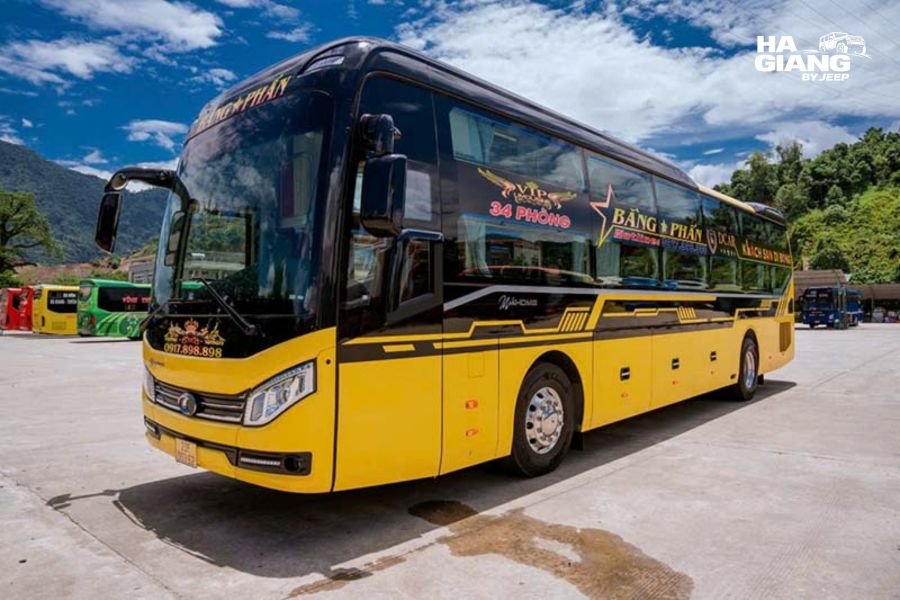
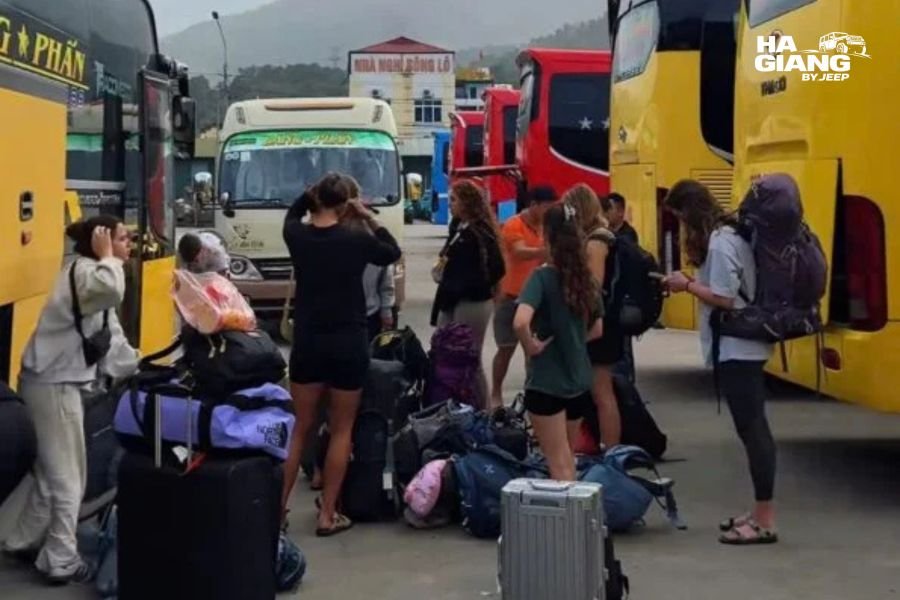
Overnight sleeper buses and daytime buses connect Hanoi to Ha Giang City. This is the cheapest option and popular with backpackers and budget travelers.
Bus Stations and Operators
From Hanoi:
- Giap Bat Bus Station (south Hanoi): Multiple operators serve Ha Giang
- My Dinh Bus Station (west Hanoi): Newer facility with more comfortable options
- Noi Bai Airport: Some buses depart from the airport if you're arriving by flight
Major operators:
- Sleeping Bus lines (bunks, overnight travel)
- Standard coach services (daytime, seats recline)
- Luxury coach lines (more expensive, better amenities)
Journey Duration and Comfort Level
Daytime bus: 8–10 hours, departure around 6 am, arrival early evening. Seats recline partially. Bathrooms onboard (quality varies). One meal stop.
Overnight sleeper bus: Departs Hanoi evening (5 pm to 7 pm), arrives Ha Giang early morning (5 am to 7 am). Narrow bunk beds (tight if you're over 6 feet tall). Minimal ventilation. Not ideal for light sleepers.
Booking Process
Walk into any bus station and ask for Ha Giang tickets, or book online through 12go.asia, Busbud, or local operator websites. Prices range $10 to $30 depending on class.
Expect basic comfort. Bring a neck pillow, earbuds, and realistic expectations. You'll arrive, but the experience is utilitarian, not luxurious.
Option 4: Motorbike/Scooter Rental (Not Recommended)
Many travelers ask about renting a motorbike from Hanoi and riding to Ha Giang. This is technically possible, but here's why most experienced travelers skip it:
Why Many Travelers Choose Other Options
Safety: Vietnamese roads have one of the world's highest accident rates. Motorbikes are more vulnerable in traffic than enclosed vehicles. Mountain roads mean narrow shoulders and steep drops. If something goes wrong, there's minimal protection.
Riding after long hours: Ha Giang to Hanoi is 8–10 hours of riding. Motorbike seats are hard, vibration is constant, and fatigue sets in. You arrive exhausted, not energized.
Logistics: Renting a motorbike requires a Vietnamese driver's license (International Permits often aren't accepted). Theft is a real concern in some areas. Fuel stops and vehicle maintenance become your responsibility.
Why the jeep option exists: A private jeep tour lets you see the same scenery, stop whenever you want, AND arrive refreshed. For roughly $150–$200, it's a different experience entirely.
If you're a confident rider with motorbike experience, it's doable. But if you're asking, you probably shouldn't. The jeep or bus is genuinely better.
The Route: Hanoi to Ha Giang City Breakdown
Understanding the actual route helps you plan stops, anticipate conditions, and know what's coming.
Highway 2 and Mountain Roads
The route north follows National Highway 2 (National Road 2, marked as QL2 on signs). It's the major north-south artery connecting Hanoi to northeast Vietnam and China. Traffic is steady but manageable outside peak hours.
Phase 1 (Hanoi to Tuyên Quang City): 200 km, roughly 4–5 hours
- Flat terrain, heavy traffic exiting Hanoi
- Red River Delta agricultural landscape
- Expressway sections reduce travel time
- Major towns: Thai Nguyen, Bac Kan
Phase 2 (Tuyên Quang City to Ha Giang City): 160 km, roughly 4–5 hours
- Mountain terrain begins
- Road becomes winding but well-maintained
- Scenery improves dramatically (limestone peaks, valleys, villages)
- Air gets cooler and fresher
- Final section is steepest climbing
Notable Towns and Landmarks
Thai Nguyen City (2–3 hours): Regional hub, famous for tea production. Good place for a quick break or optional plantation visit.
Bac Kan Province (5–6 hours): Mountain scenery begins here. Good lunch stop with local restaurants. Bac Kan City is where you start feeling truly north of Hanoi.
Tuyên Quang City (7 hours): Last major city before entering full mountain terrain. Stock up on snacks, fuel, and essentials here if you're self-driving.
Yên Minh District (approaching Ha Giang): You're now on mountain roads. Villages become smaller, more traditional. This is where Ha Giang Province officially starts.
Yen Minh Town to Ha Giang City: Final 30 km of winding mountain road with spectacular views. Last fuel stop is Yen Minh if you need it.
Best Stops for Food, Fuel, and Photos
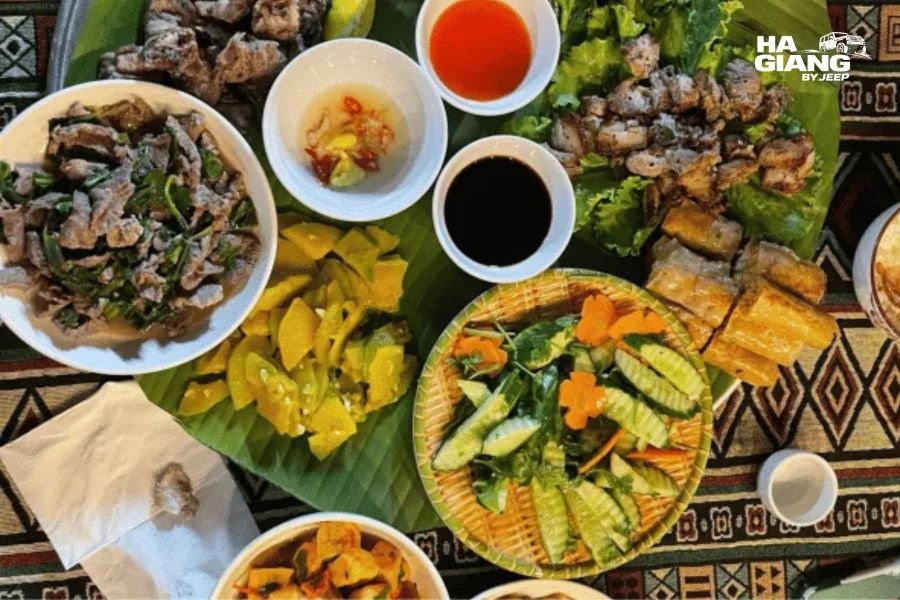
Food: Local roadside restaurants in Bac Kan and Tuyên Quang serve regional specialties: cơm lam (bamboo rice), thắng cô (horse meat stew), bánh cuốn (rolled rice cakes), chào ớt tắu (shrimp paste soup). Expect $2–$4 per meal.
Fuel: Available in Thai Nguyen, Bac Kan, Tuyên Quang, Yên Minh, and Ha Giang City. Don't stretch fuel reserves—fill up in Tuyên Quang if your tank is below half.
Photos: Best viewpoints are after Tuyên Quang when mountain landscape emerges. Pull over safely at scenic sections or ask your driver/guide for photo-worthy stops. Sunrise and late afternoon light is golden; midday sun washes out colors.
Best Time to Travel to Ha Giang
Seasonal conditions significantly impact your journey experience.
Seasonal Weather Considerations

October to April (Dry season): Best time to travel. Clear skies, good visibility, dry roads. Temperatures range 15–25°C on the drive. Morning fog is possible in mountains but usually burns off by midday. This is peak tourism season.
May to September (Wet season): Frequent afternoon rain, occasional morning mist. Roads remain passable but can be slippery. Visibility drops during downpours. Some travelers embrace the misty, moody atmosphere; others find it frustrating. Fewer tourists, lower accommodation prices.
September is the riskiest month. Typhoons can swing in from the south. Roads may temporarily close. Travel becomes unpredictable.
Road Conditions by Season
Dry season (Oct–Apr): Excellent road conditions, good visibility, safe driving. No surprises.
Wet season (May–Sept): Roads are generally passable, but rain creates hazards. Mountain curves become slippery. Visibility drops. Landslides are rare but possible after heavy rain. Road crews are quick to clear debris. Drive slower, use headlights, reduce distractions.
Best compromise: Late October to March. Weather is stable, landscape is lush, and you'll avoid peak season crowds if you travel early November or late February.
What to Prepare Before You Go
Depending on your transport method, some preparation is essential.
Driving License and Documentation (If Renting)
International Driving Permit (IDP):
- Get one from your home country's automobile association before traveling
- Vietnamese authorities technically require one if renting a vehicle
- In practice, many tourists rent with just a national license, but IDP is safer and legally correct
Passport: Essential for vehicle rental pickup and insurance.
Credit card: For rental deposit. Most agencies hold (don't charge) a security deposit; you get it back after return.
Travel insurance: Optional but recommended. Check if your policy covers car rental and driving in Vietnam.
Vehicle Inspection and Insurance
When you pick up a rental vehicle:
- Walk around the car with the rental agent. Take photos of any existing scratches, dents, or damage. This is crucial for avoiding disputes when you return the vehicle.
- Check tire condition: Tread depth, pressure, spare tire present.
- Test brakes, headlights, wipers: Ensure everything works.
- Confirm fuel level: Usually should be full; verify this on paperwork.
- Review insurance: Know what's covered (collision, liability, theft). Understand the deductible.
Maps and Navigation Apps
Download offline maps before leaving Hanoi. Recommended apps:
- Google Maps: Download offline maps for Hanoi, route north, and Ha Giang Province
- Maps.me: Excellent offline navigation, works without cell signal
- Gaia GPS: Good for hiking and detailed trail info (useful once you're in Ha Giang)
Offline maps are lifesavers if you lose cell signal in mountains or need navigation when your phone battery is low.
Cash and Payment Methods
Vietnam is increasingly card-friendly, but cash is still king in rural areas and small towns.
- ATM withdrawals: Get Vietnamese dong (VND) in Hanoi before leaving. Road ATMs exist but are inconsistent. Budget 3–5 million VND ($130–$220) for fuel, food, and tolls depending on your transport method.
- Credit cards: Major establishments accept them; small roadside restaurants and fuel stations may not.
- Mobile payment: Momo and Viettel Money are popular but not universal in remote areas.
Bring a mix: cash for fuel and food, card as backup.

Arrival in Ha Giang City: What's Next
You've made it. The journey is done. Now what?
Where to Stay
Ha Giang City is small—walkable from most accommodations. Popular areas:
Central Ha Giang City: Hotels, guesthouses, cafes, restaurants. Convenient but can feel touristy.
Quiet neighborhoods: Slightly removed from the center, more local atmosphere, cheaper prices.
Budget: $15–$30 per night for decent mid-range guesthouses. Luxury hotels ($40–$60) are nicer but not necessary.
Book accommodation in advance, especially October–March. Many small guesthouses fill up quickly.
Finding a Jeep Tour Operator
You've arrived. Now the real adventure begins. Most travelers book a Ha Giang Loop jeep tour once they're in the city.
Walk into your guesthouse and ask for recommendations. Tour operators are everywhere, and many have direct relationships with accommodations. You can also inquire at cafes, restaurants, or booking agencies scattered around the city center.
What to ask potential tour operators:
- Private jeep only, or shared with other groups?
- English-speaking driver who can explain culture and history?
- What's included in the price (meals, entrance fees, driver tip)?
- What's the cancellation policy?
- Can I customize the itinerary, or is it fixed?
Booking Your Ha Giang Loop Adventure
Three main options after you arrive in Ha Giang City:
3-day Ha Giang Loop: Quick introduction to the loop, covers major highlights, ideal if you have limited time
4-day Ha Giang Loop Jeep Tour: The classic full-loop experience, leisurely pace, visit villages and markets
5-day or 6-day Ha Giang to Cao Bang combo: Extend into Cao Bang Province, visit Ban Gioc Waterfall, explore more remote areas
Or, if you want complete independence, rent a Jeep Wrangler Rubicon and explore on your own schedule.
Most travelers book tours while in Ha Giang City rather than pre-booking from Hanoi. This gives you flexibility and time to chat with other travelers, read recent reviews, and make an informed choice.
Common Mistakes Travelers Make
Learn from others so you don't repeat them.
Underestimating Travel Time
The Hanoi-Ha Giang drive is not 8 hours flat. It's 8 hours plus fuel stops, bathroom breaks, lunch, and traffic delays. If you leave Hanoi at 6 am with zero stops, you might arrive by 4 pm. But realistically, add 1–2 hours for pauses, congestion exiting Hanoi, and leisurely lunch. Plan for a late-afternoon or early-evening arrival.
Backtracking the same route the next day to pick up items you forgot is frustrating and eats into your adventure time. Bring everything you need in Hanoi.
Poor Vehicle Maintenance (Self-Drive)
Renting an older, poorly-maintained vehicle to save $5 per day is penny-wise and pound-foolish. A breakdown in remote mountains means towing costs, lost time, and genuine stress. Rent from reputable agencies that maintain their fleet. Spend the extra $10–$20 per day for peace of mind.
Ignoring Weather Forecasts
"It's just rain" is a dangerous assumption on mountain roads.

Which Jeep Tour Should You Take After Arriving?
Once you're in Ha Giang City, choosing the right tour duration depends on how much time you have and what you want to experience.
Have 2–3 days? Book a 3-day Ha Giang Loop jeep tour. You'll see the loop's major highlights: Ma Pi Leng Pass, Quan Ba Heaven's Gate, Meo Vac, and local villages. It's tight but rewarding.
Have 4 days? The 4-day Ha Giang Loop Jeep Tour is the sweet spot. Leisurely pace, more village time, better connections with locals, more flexible stops for photos and food.
Have 5–6 days? Extend into Cao Bang Province. See Ban Gioc Waterfall, explore quieter areas, visit Pac Bo Historic Site. This is the full mountain experience.
Want complete freedom? Rent a Jeep Wrangler Rubicon and create your own itinerary. Stay where you want, eat what you want, detour whenever inspiration strikes.
Private jeep tours have enormous advantages over motorbike or bus travel: you stop anywhere, the driver handles navigation and logistics, and you arrive refreshed instead of exhausted. The $150–$200 investment in a Hanoi-Ha Giang tour pays for itself in comfort and peace of mind.
Ready to Book Your Journey?
Choose your transport method and book your adventure to Ha Giang today.
Quick FAQ: Getting to Ha Giang
8–10 hours depending on stops and traffic. Most travelers experience 9–10 hours door-to-door when including pickup/drop-off in Hanoi and arrival in Ha Giang City.
Yes, if you're a confident driver. The road is well-maintained and heavily traveled. Mountain curves require focus but aren't dangerous with careful driving. Defensive driving matters—Vietnamese drivers can be aggressive. If you're unsure, take a tour or bus instead.
Technically yes, but not recommended. You'd spend all day driving and have 2–3 hours in Ha Giang before driving back. The 360 km distance makes this impractical. Plan for an overnight stay minimum.
Overnight bus, around $10–$20. It's cramped and uncomfortable but functional. Budget-conscious solo travelers often choose this. Groups split car rental costs and often pay similarly ($15–$30 per person).
Technically yes. In practice, many tourists rent without one. But IDP is correct legally and protects you if there's an issue. Get one in your home country before traveling.
October to April. Dry, clear, comfortable temperatures (15–25°C). Avoid September—typhoon season. If you go May–September, expect afternoon rain but fewer tourists and cheaper accommodations.
Yes. Most operators offer airport pickup for a small additional fee ($10–$20). Confirm when you book.
Rental agencies carry insurance and have roadside assistance or backup vehicles. You're protected. Drivers know the route well and mechanics are available in towns. It's rare but covered.
Absolutely scenic, especially the final 2–3 hours approaching Ha Giang. Mountain curves, valley views, and glimpses of villages make it visually engaging. It's not a boring highway—it's part of the adventure.
Yes, daily rental rates apply. Expect $160–$240 for 4 days depending on vehicle and operator. This is a viable option if you want independence.
You're Ready to Go
The Hanoi-Ha Giang route is a gateway, not just a journey. Your transport choice shapes the experience, but all paths lead to the same destination: some of Vietnam's most stunning and least touristy mountain landscape.
Whether you choose a private jeep tour (relaxed, guided, comfortable), self-drive (independent, customizable, budget-friendly after splitting costs), or a budget bus (cheapest, basic comfort), you'll arrive. And once you're in Ha Giang City, the loop awaits.
Start planning your trip. Book your transport, arrange accommodation, and prepare for a week in the mountains that will stay with you long after you return to Hanoi.