
Best Time to Visit Cao Bang: Month by Month Guide
The short version: September and October for the waterfall at its fullest. February through April for clear air and manageable weather. Everything else is a trade-off worth understanding.
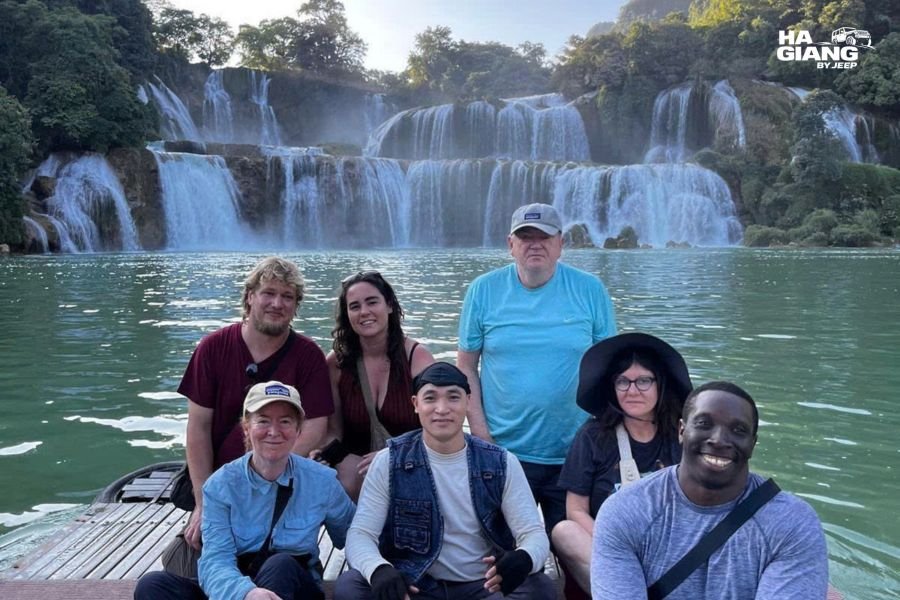
Cao Bang sits at the northern edge of Vietnam, sharing a border with China along much of its length. The province covers rivers, gorges, caves, highland villages and UNESCO-recognised geology, and the season you travel in changes what you see at each of these dramatically. The same place in October and the same place in February are different enough that they might as well be different destinations.
This guide goes month by month with what is actually happening on the ground: water levels at Ban Gioc, road conditions, market seasons, what to pack and what to expect.
The Quick Summary: Which Months for What
| What you want | Best months |
|---|---|
| Ban Gioc at maximum water | August to October |
| Clear skies and crisp air | October to December, February to April |
| Chestnut season in Trung Khanh | October to November |
| Fewer tourists | January, February, June, July |
| Warmest temperatures | May to August |
| Market scene and local festivals | Ask local contacts for current dates |
| Easiest road conditions | October to April (dry season) |
There is no objectively bad time to go. There is only the version of Cao Bang you get in each month, and deciding which version you want.
January: Cold, Quiet, Very Clear
January is the coldest month in Cao Bang, and the clearest. The air in the province at this time of year is some of the cleanest you will breathe in northern Vietnam. The sky is a specific shade of winter blue that the warmer months do not produce.
On the upside: the roads are dry, the gorges are not full of monsoon haze, and the stone village of Khuoi Ky has that particular quality of quiet that only thin-season travel produces. Tourist numbers are at their lowest.
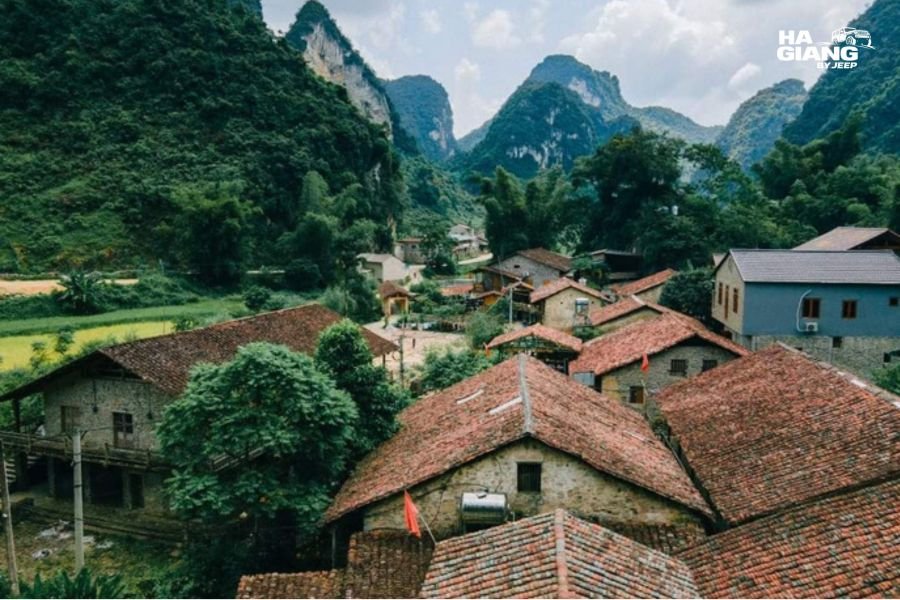
The downside is temperature. Cold here is real cold. Highland mornings can drop to near or below zero at the higher elevations, and the valleys hold frost on some days. Packing for January means layers, windproofing, and something genuinely warm for mornings.
Ban Gioc Waterfall runs low. The spectacle is different from the full flood version. The rock structure behind the water becomes visible, which is interesting in its own way, but it is not the wall of white that September produces.
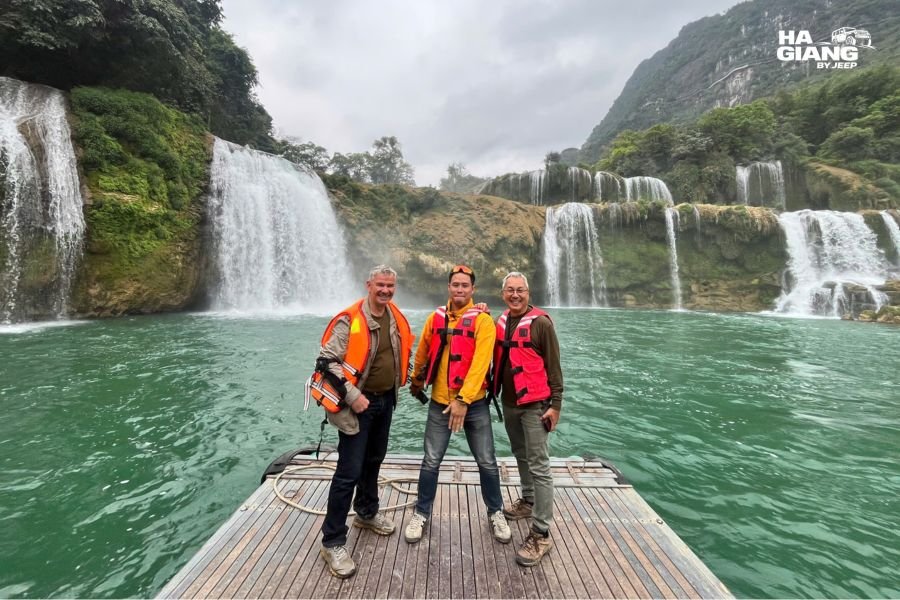
January is for travelers who want the province to themselves, do not mind cold, and are interested in the landscape and the villages more than the waterfall at full force.
February to March: The Best Kept Window
This is arguably the best window that most people miss. The cold is softening. The air is still clear. The crowds that come in September through November are gone. The roads are dry and in good condition.
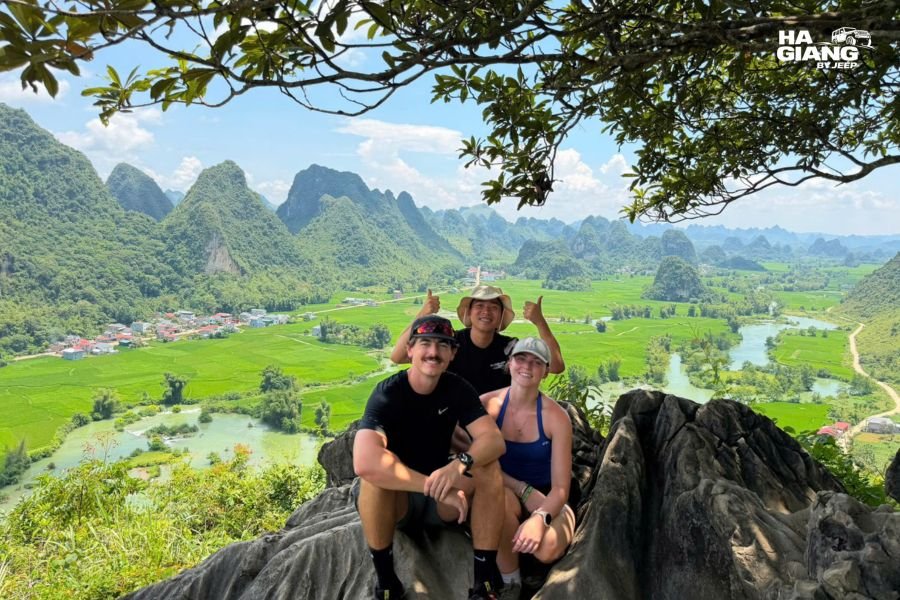
February brings plum and peach blossom in the highland villages. The fields and hillsides are still brown from winter, but the orchards flower early, and the combination of bare hills and blossom is striking in the way that spring beginnings are.
March adds green. The terraces start to fill. The Ngoc Con Valley, seen from the road above God's Eye Mountain, begins to look like the lush version of itself rather than the dry season version.
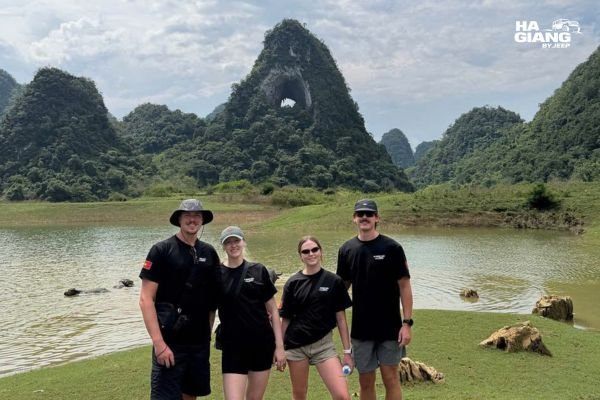
The practical advantages of this window:
- Roads are dry from the previous autumn
- Accommodation is available without advance booking pressure
- The Non Nuoc Cao Bang Geopark landscapes are accessible in good conditions
- Temperatures are comfortable in the day, cool at night
Water at Ban Gioc is still low in February and building slowly in March. If the waterfall in full flood is your primary goal, these months do not deliver it. But for everything else in the province, February and March are underrated.
See the Ha Giang and Cao Bang jeep tours
April to May: Warmth Before the Rain
April and May bring warmth and, toward the end of the period, the first edges of humidity before the monsoon arrives. The landscape is fully green, the rice paddies are filling and the terraces around the province are at their most photogenic before the heat of summer.
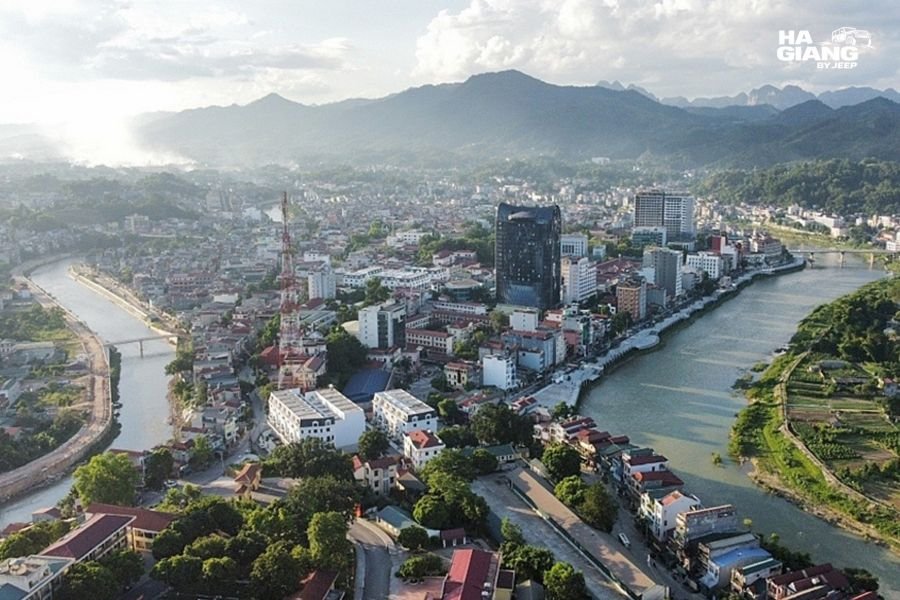
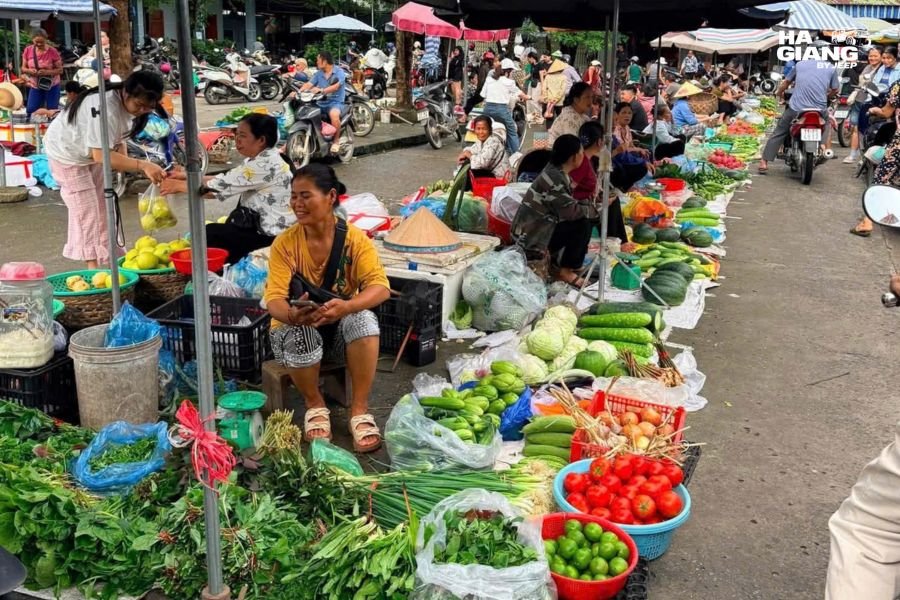
This is a comfortable window for most travelers. Temperatures during the day are warm without being oppressive. The roads are still in good condition. Market days in Cao Bang and Trung Khanh have their full local character, without the tourist overlay that high season brings.
Ban Gioc in April and May is rising from its dry season lows. The waterfall is not yet at the dramatic late summer levels, but it is better than January and February. The pool at the base of the falls is accessible.
May signals the beginning of change. Rain becomes more frequent. The decision about whether to travel in May depends on how comfortable you are with variable weather. Early May is usually fine. Late May can be unpredictable.
June to August: Rainy Season Realities
The rainy season in Cao Bang runs roughly from June through August, with peak rain in July and August. This changes several things.
What gets harder in rainy season:
Road conditions. The mountain roads around Cao Bang, particularly the smaller tracks to highland villages, can be affected by landslides and water damage. The main roads are generally passable with a suitable vehicle, but checking current conditions close to your travel dates is essential.
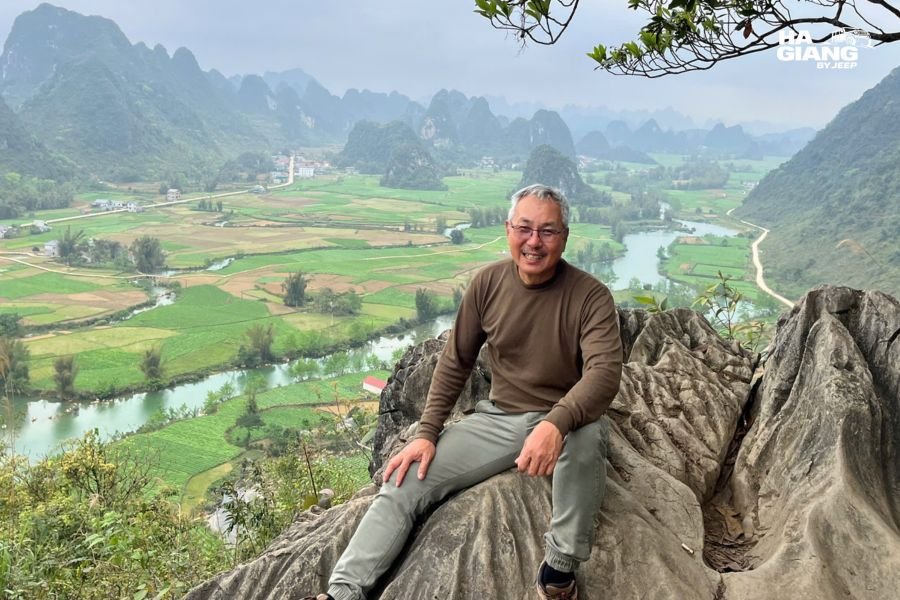
Visibility. Low cloud and rain can reduce the views at the big lookouts. God's Eye Mountain, the 15 step pass and the canyon overlooks all depend on clear conditions for their best version.
Caves, on the other hand, are independent of the weather. Nguom Ngao Cave is the same whatever is happening above ground.
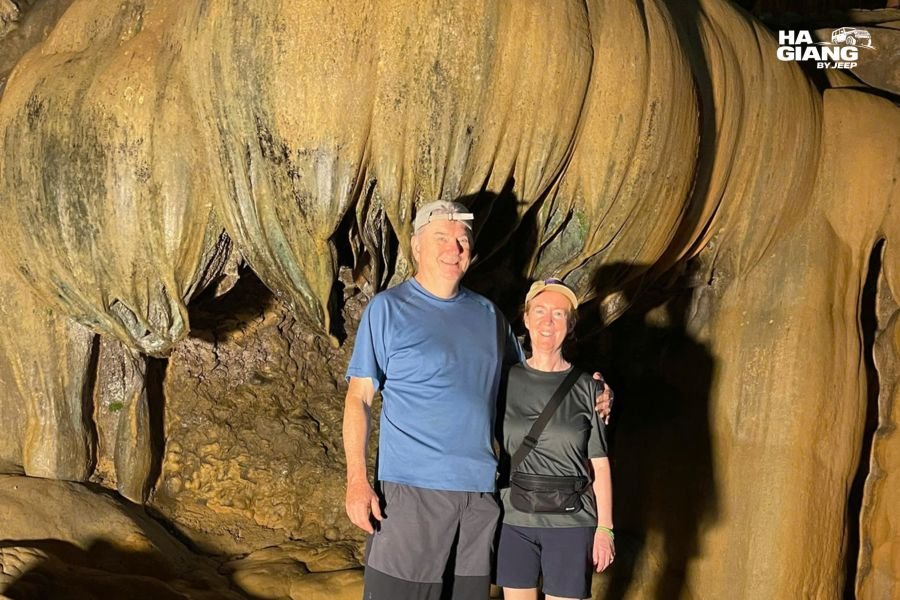
What gets better in rainy season:
The waterfall. Ban Gioc runs most powerfully in August, just before and during peak water season. The falls are dramatic, wide and loud. The colour of the water in the pool is a specific dark green that is different from the clearer dry season version.
Tourist numbers are lower than the October to November peak, which means accommodation is more available and the main viewpoints at Ban Gioc are less crowded.
June and July in Cao Bang are for travelers who do not mind weather variability, are flexible with their itinerary and want a version of the province that is less managed by tourism. If those conditions suit you, the trade off is worth considering.
September to October: The Waterfall at Its Best
This is the window that most people who research Cao Bang carefully end up choosing.
September marks the tail end of monsoon season in the north. The river is still full. Ban Gioc runs at or near its annual maximum. The three tiers of the falls carry a volume of water that makes the dry season version look like a different waterfall.
The combination of late season water and clearing air in October is the specific thing that makes this window exceptional. By October, the skies are beginning to clear and the peak monsoon haze has passed, but the water levels have not yet dropped. You get the waterfall at full power and the visibility beginning to return.
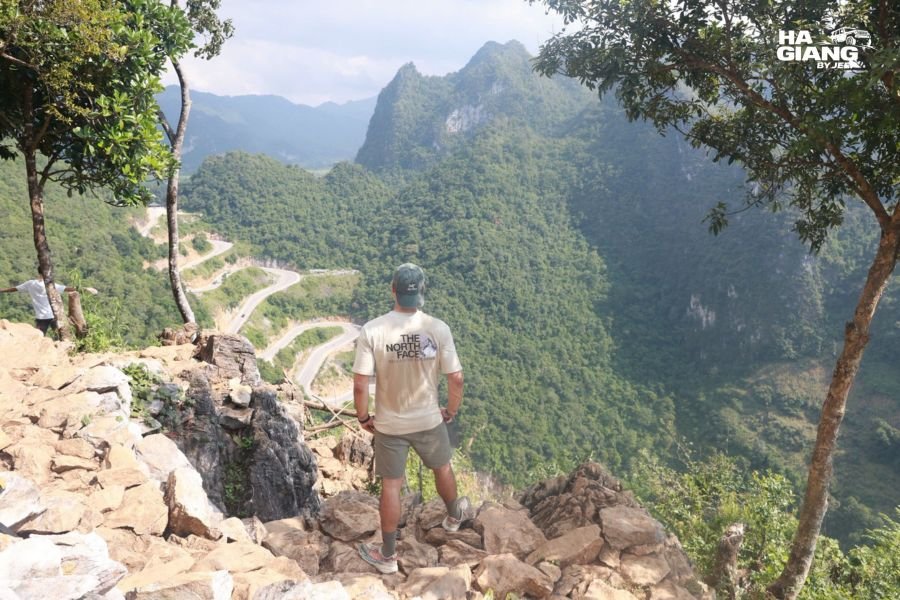
October is the busiest domestic tourism month in northern Vietnam. Vietnamese travelers from Hanoi come north in large numbers. Accommodation books out. Ban Gioc on a weekend in October can be very crowded at the main viewpoint.
Planning for September to October means booking accommodation well in advance, having a flexible schedule for the main viewpoints, and understanding that the busy version of this experience is the trade-off for the best water levels.
Our Ha Giang and Cao Bang 5 days tour and 6 days tour can both be timed to arrive at Ban Gioc in this window.
November: Chestnuts, Cool Air, Good Roads
November is the transition month that most people overlook, and that oversight works in your favour.
The water at Ban Gioc is falling from its October peak but is still substantial. The air has cleared from the wet season. The roads are dry. The crowds from the October peak are dispersing.
And then there are the chestnuts.
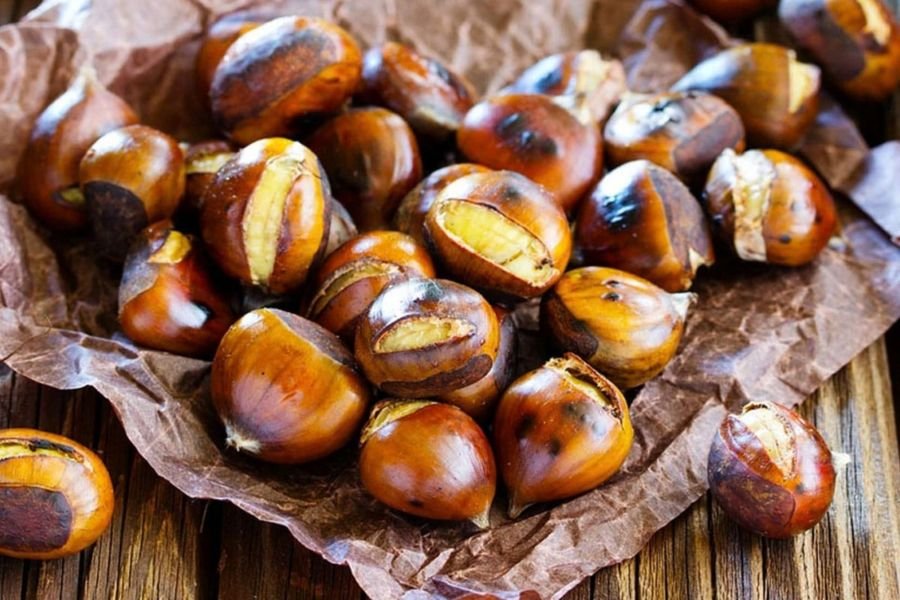
Trung Khanh chestnuts are a Cao Bang speciality that is genuinely seasonal. The harvest runs in October and November. Roasted at roadside stalls, sold in paper cones, they are one of those foods that is entirely specific to the time and place. Coming through Trung Khanh district in November and buying a bag of chestnuts from someone who harvested them that week is the kind of thing that most travel content does not mention and most travelers who experience it remember for a long time.
The chestnut market in Trung Khanh in November is worth an hour of anyone's time.
A private vehicle is useful here in a specific way: you stop at the roadside stall selling chestnuts when you see it, rather than waiting for a schedule to allow it.
November is the month for travelers who want good conditions at Ban Gioc, clear air for the canyon views, a seasonal food highlight and a quieter version of the province than September or October delivers.
December: Cold Settles In
December in Cao Bang is cold and often misty. The river drops toward its dry season minimum. Tourist numbers are low. The province takes on a quieter, more local character.
The roads are good and the air is clear on the days when the mist lifts. December mornings in the canyon can produce cloud inversions that sit below the road level, making the 15 step pass feel like a road above the clouds.
The cold is real and it deepens through the month. Dressing for December in Cao Bang means dressing for genuine mountain cold: down jacket, thermals, waterproof outer layer for mornings and evenings.
December is the month for travelers who want solitude, clear air when the mist lifts and the experience of the province at its least touristic.
Ban Gioc Waterfall by Season
Because the waterfall drives a significant number of visits to Cao Bang, it is worth treating it separately.
Ban Gioc sits on the Quay Son River, which drains a large catchment in both China and Vietnam. The water levels at the falls are determined by rainfall across the whole catchment, which is why the falls can run high even when local Cao Bang weather seems to have stabilised after the monsoon.
| Season | Water level | What you see |
|---|---|---|
| January to April | Low to moderate | Rock structure visible, fall thinner but wide |
| May to June | Rising | Noticeable increase from dry season low |
| July to August | High | Full power, loud, mist from the base |
| September to October | Peak to post-peak | Maximum width and volume |
| November | Falling | Still substantial, crowds lighter |
| December | Low | Quieter falls, clearer view of surroundings |
The falls are impressive at any level. The low season version is not a disappointment: it is a different experience. For the full spectacle version, the September to October window is unambiguous.
Our Ban Gioc Waterfall guide covers the specific viewing areas and what to expect on the ground.
Road Conditions Through the Year
Cao Bang road conditions are a practical consideration because the province involves mountain roads, border zone passes and some routes that respond strongly to heavy rain.
Dry season (October to April): roads are at their best. The major routes are paved and well maintained. Smaller village tracks may need a capable vehicle but are generally passable.
Early monsoon (May to June): road condition depends on rainfall. The main routes remain passable; smaller tracks can deteriorate quickly after sustained rain.
Peak monsoon (July to August): highest risk period for road disruption. Landslides are possible on the steeper mountain sections. Check current conditions before travel. A vehicle with clearance and a driver who knows the routes is the practical mitigation here.
Post-monsoon (September): roads are recovering. Most routes are passable but some sections may show monsoon damage. Confirm current conditions.
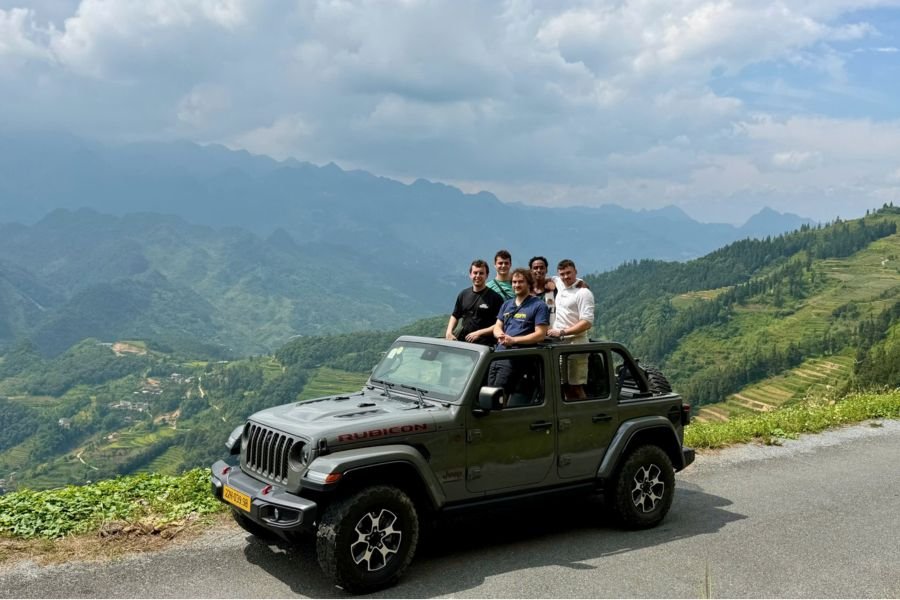
A private 4x4 with a local driver handles these conditions better than any other travel option, not because the roads are impassable, but because the driver knows which routes are fine, which have recent damage, and when to take a different line. That local knowledge is worth more on mountain roads than vehicle specification alone.
Which Jeep Tour Is Right for You?
Cao Bang sits at the end of the extended northeast route, not as a standalone destination. Most travelers reach it after the Ha Giang Loop and continue to Ban Gioc from Meo Vac.
Ha Giang and Cao Bang, 5 days the standard combined route. Ha Giang Loop then east to Cao Bang, Ban Gioc and the Cao Bang Geopark, finishing in Cao Bang city.
Ha Giang and Cao Bang, 6 days the same route with more time at each major stop. God's Eye Mountain, Ngoc Con Valley and the 15 step pass all get more than a passing stop. The Trung Khanh chestnut market in November fits into this extra day.
Jeep Wrangler Rubicon rental if you want to drive the route yourself and make your own decisions about timing and stops.
Timing your visit to arrive in Cao Bang in September, October or November requires booking far enough in advance. If your calendar is flexible, tell us your preferred window and we will advise on the current availability.
Questions about timing? Message us on WhatsApp. We run this route year round and can give you a current read on conditions for your dates.
Frequently Asked Questions
September and October give you Ban Gioc at its most powerful and the air clearing after monsoon season. February through April offers clear conditions, good roads and far fewer tourists. The best time to visit Cao Bang depends on what you prioritise: water levels or tranquility.
Ban Gioc runs at maximum volume in August and September, when the monsoon river catchment is fully charged. October is usually the last month of high water, and by November the falls are falling toward their dry season levels.
Yes, with adjusted expectations. The waterfall is at its most dramatic, and tourist numbers are lower. The trade-off is road variability and weather that does not cooperate for viewpoints every day. A local driver who knows current road conditions is the most practical preparation.
Cold enough that packing seriously for it matters. Highland mornings in December and January can drop to near or below freezing. Valley floors are warmer but still cold by the standards of most travelers from temperate or tropical climates. Thermals, a down jacket and windproofing are practical requirements.
Cao Bang has its own festival calendar that includes local Tay and Nung traditions. Dates shift with the lunar calendar, so current information from local contacts or your operator is more reliable than any published date.
Yes, and this is actually the most efficient way to see both. The route from Meo Vac at the end of the Ha Giang Loop continues east into Cao Bang, reaching Ban Gioc without doubling back to Hanoi. Our [5 days Ha Giang and Cao Bang tour](https://hagiangbyjeep.com/tours/ha-giang-cao-bang-jeep-tour-5-days/) and [6 days tour](https://hagiangbyjeep.com/tours/ha-giang-cao-bang-jeep-tour-6-days/) run this combined route.
October and November, with peak availability in late October and early November. They are sold at roadside stalls and in the Trung Khanh market. If chestnuts are on your list, time your arrival in Cao Bang for this window.
They share a broadly similar climate pattern but Cao Bang sits slightly further east and at lower average altitude in the main tourist areas. Both provinces are at their clearest from October to April. The specific pull of Ban Gioc in flood season, August to October, is particular to Cao Bang and does not have a direct equivalent in Ha Giang.
Ha Giang by Jeep runs private 4x4 tours across the Dong Van Karst Plateau and Non Nuoc Cao Bang Geoparks, with English speaking local drivers and 24/7 support from our office in Ha Giang City. Email booking@hagiangbyjeep.com or WhatsApp +84 862 379 288.