
What to Wear on a Ha Giang Jeep Tour
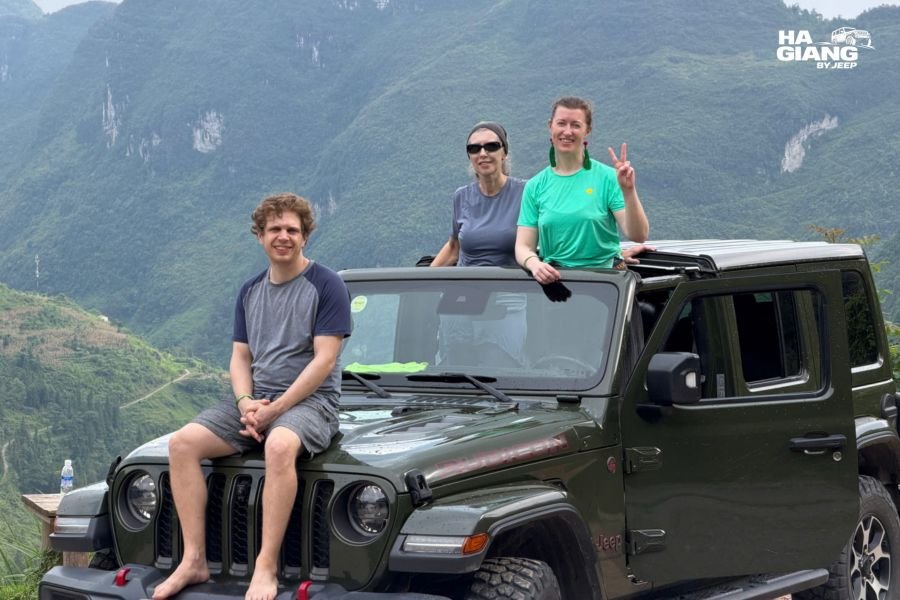
Why What You Wear Matters on a Ha Giang Jeep Tour
The first time I heard someone say, "I brought one outfit for a jeep tour in Ha Giang," I nearly dropped my coffee.
Not because it's impossible, but because I knew exactly how their second day would feel: sore shoulders, regretful pant choices, and a strong wish they'd packed differently.
What you wear on a Ha Giang jeep tour isn't just about looking good for photos (though that happens). It's about whether you actually enjoy the experience or spend seven hours mentally bargaining with yourself about why you didn't bring an extra shirt.
Unlike a motorbike ride, where you're huddled in a helmet for hours, a jeep tour is an entirely different animal. You're exposed to sun, wind, and temperature swings across altitudes. You're sitting in one position for extended stretches. You're stopping frequently to explore villages, markets, and viewpoints. And here's the thing no one tells you: you'll probably eat more than you expected, which means comfort becomes priority number one.
This isn't a fashion article. It's a practical guide based on what actually works when you're driving through the Ha Giang Loop in a private Jeep Wrangler with a local guide who knows every bend, every viewpoint, and exactly where to stop so you can move your legs.
Ha Giang Weather: What You're Actually Facing
Before we talk fabric and fit, you need to understand what Mother Nature throws at Ha Giang. The weather changes dramatically depending on which month you visit, and altitude shifts the climate in ways that catch people off guard.
Summer (May to August)
If you're coming in summer, expect heat. The lowlands around Ha Giang City hover around 28–32°C, which feels warm but manageable inside a jeep with air moving. Higher passes like Ma Pi Leng cool down significantly, and at altitude, a 5–10°C drop is common. The catch: humidity is high, making everything feel stickier than the thermometer suggests.
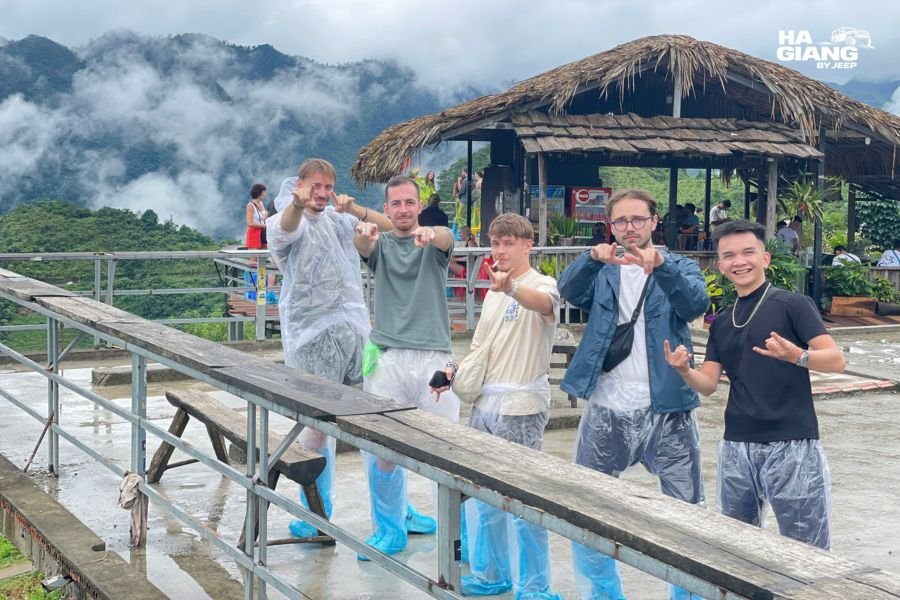
Rain is always a possibility in summer, though not guaranteed every day. When it comes, it's often sudden and heavy, then clears just as fast. An open-air jeep becomes less comfortable in heavy downpours, so your outer layer needs to actually protect you.
Autumn (September to November)
October is peak season for Ha Giang jeep tours. Daytime temperatures sit between 22–26°C in higher elevations, and nights can dip to 15–18°C. The air clears up, visibility is stunning, and rain is less frequent. This is the sweet spot for what-to-wear planning because layering is actually essential, not optional.
Winter (December to February)
Winter is real here, especially above 800 meters elevation. Nights drop to 5–10°C, and occasionally closer to freezing in January. Snow on higher passes isn't common, but icy roads happen. The sun is strong during the day (20–22°C), but when it sets or when you're at the highest points, a proper jacket isn't luxury—it's necessity.
Spring (March to April)
Spring is warm but unpredictable. Temperatures range from 20–28°C depending on altitude and time of day. Rain comes and goes, and wind picks up at higher elevations.
The Real Talk About Rain
Ha Giang rain isn't dainty. When it happens, it's serious. Your jeep has a soft-top that can be raised, but you're still exposed to wind-blown spray and the need to brace yourself on rough sections. This isn't a reason to avoid rainy season—many travelers love it because the mountains are dramatic and crowds thin out—but it means your rain gear needs to actually work.
Layering Strategy for Mountain Driving
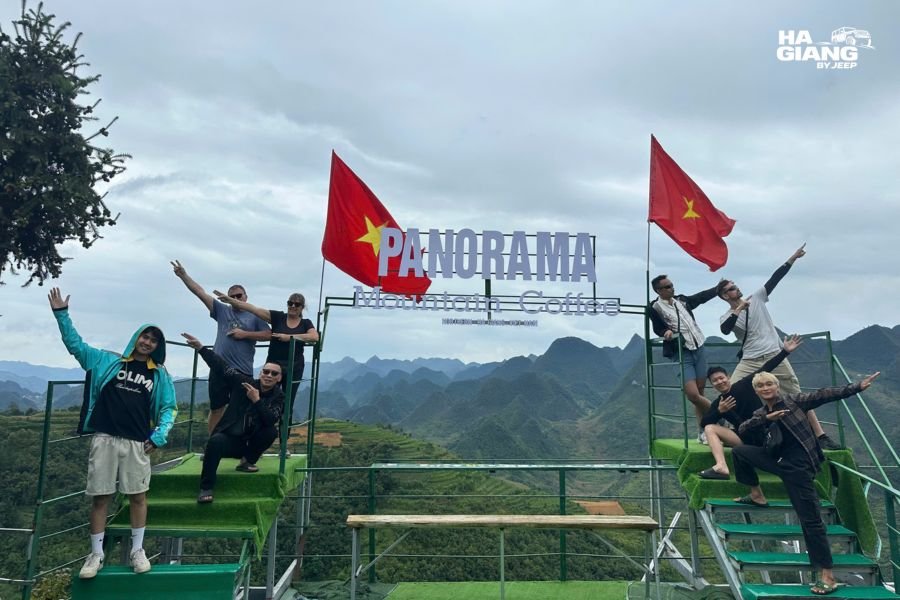
This is the core principle that separates comfortable travelers from uncomfortable ones: layering beats everything.
Why? Because Ha Giang altitude swings are real. You'll start your day at 200 meters elevation, drive to a 1,200-meter pass by late morning, stop for lunch back at 500 meters, then climb again toward evening. Your body can't adjust fast enough, and the sun's intensity plus wind effect compounds the temperature change.
The Base Layer
Start with moisture-wicking material. Cotton is your enemy here. When you sweat—and you will, even on cool days—cotton holds moisture against your skin, leading to chafing and discomfort. Merino wool or synthetic materials (polyester, nylon blends) dry quickly and regulate temperature better.
A simple lightweight long-sleeve shirt in a moisture-wicking blend is your friend. Not thermal wear, just regular-weight fabric that doesn't hold water. Brands like Decathlon have affordable options that work perfectly.
The Mid Layer
This is where layering saves the day. A fleece or lightweight wool sweater gives you insulation without bulk. When temperatures drop at altitude or the sun moves behind a cloud, you throw it on. When you're active or the sun's intense, it goes in your day pack.
For a jeep tour, a shirt-weight fleece (not parka-thick) is ideal. It packs small, washes easily, and adapts to almost any condition. Some travelers use a light wool cardigan for the same effect and like it because it looks more polished if you stop in a village.
The Outer Shell
Rain jacket, windbreaker, or lightweight shell. This is non-negotiable. Your outer layer protects you from rain, wind-chill, and the cooling effect of moving air in an open jeep.
Here's what matters: it needs to pack small. You'll take it on and off multiple times. It needs to actually shed water (not just "water resistant"). And it should breathe to some degree, or you'll overheat when you're climbing and wearing it fully.
A packable rain jacket—the kind that folds into its own pocket—is worth its weight. Seriously.
Choosing Your Ha Giang Adventure
Ready to experience Ha Giang at your own pace? A 4-day Ha Giang Loop tour gives you the full experience without rushing. Private jeep, comfortable driver, flexible stops whenever you need to adjust layers or stretch your legs.
View ToursTops: What Actually Works in an Open Jeep
Let's talk about what goes on your upper half, because this is where tourists and veterans diverge.
Long Sleeves
This is the non-negotiable recommendation. Why?
- Sun exposure: At altitude, UV intensity is higher. You're in a moving vehicle where sunscreen washes off faster, and you can't reapply every 30 minutes. Long sleeves in a UV-blocking fabric (or just tightly woven fabric) reduce burn risk dramatically.
- Insects and dust: Ha Giang roads throw up dust, and while it's not overwhelming, your arms collect debris. More importantly, some regions have insects that bite or fly into exposed skin. Long sleeves are a simple barrier.
- Comfort in wind: When a jeep moves at speed on a high plateau, wind chill is real. Exposed arms get cold faster. A long-sleeve shirt in a breathable blend is the solution.
What kind of long-sleeve shirt? Look for:
- Technical or quick-dry fabric (polyester blends, not cotton)
- Light color (white, cream, or pale gray) to reflect sun
- Fit that's not too tight, so air flows and movement is easy
- Collar or high neckline for sun protection
Practical Alternatives
Can you wear a t-shirt and reapply sunscreen? Technically, yes. Realistically, you'll miss spots, it'll wear off, and you'll burn. Not worth the gamble on a multi-day tour.
Can you wear sleeveless? Only if you're okay with sunburn, insect bites, and wind chill discomfort. Most travelers regret it by hour three.
Fabric Quality Matters
Cotton t-shirts look casual and sound comfortable, but they absorb sweat and take forever to dry. If you're moving from a cool mountain pass to a warm valley and back, damp cotton against your skin becomes uncomfortable fast.
Merino wool, polyester blends, and nylon-cotton hybrids breathe, dry quickly, and regulate temperature. Yes, they cost a bit more. But on a multi-day tour, they're worth it.
Bottoms: Comfort for Long Hours Sitting
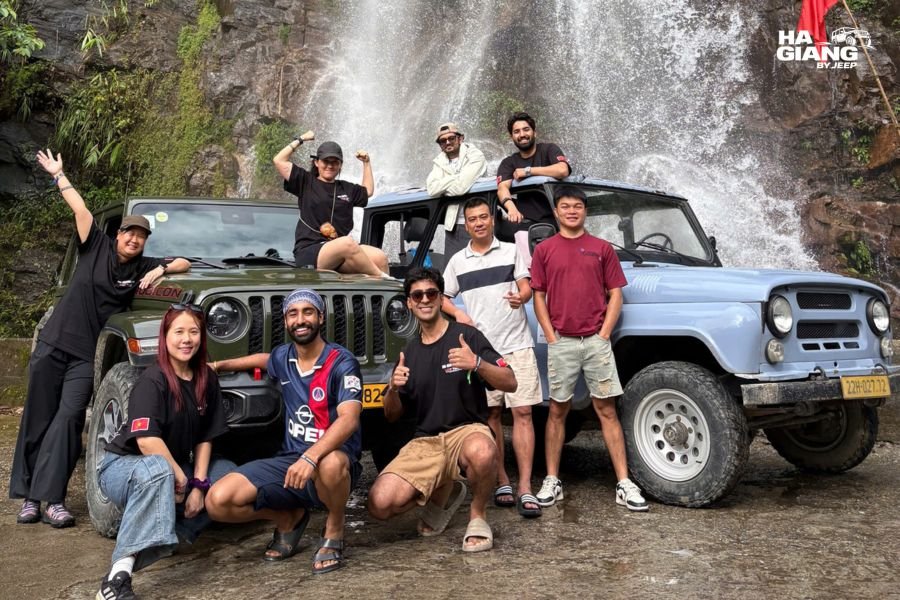
Your legs are going to spend 4–6 hours a day in a jeep seat. That's not trivial. What you wear matters more than you'd think.
Cargo Pants and Hiking Trousers
The gold standard for jeep tours. Why?
- Fit: Cargo pants and hiking trousers are designed for movement. They don't restrict circulation at the thighs, which matters when you're sitting for extended periods.
- Durability: You'll brush against sandy seats, dusty terrain during stops, and rough surfaces. Cargo fabric is tough.
- Practicality: Pockets hold essentials without a backpack. Reinforced seams don't tear easily.
- Weather: Many are water-resistant or quick-dry, crucial for unexpected rain.
Look for pants with articulated knees and a comfortable waistband (not tight). Brands like Decathlon, Patagonia, or Arc'teryx make solid hiking trousers for reasonable prices. You don't need premium gear, just functional clothing.
Shorts (The Complicated Answer)
Wear shorts if:
- You're touring during peak heat (May–August) when daytime temps stay above 28°C
- You're combining a short day tour with other activities
- You're the type who gets extremely hot regardless of planning
Avoid shorts if:
- You're on a multi-day tour where altitudes vary (you'll regret it at high passes)
- You're sensitive to sun or bugs
- It's autumn, winter, or spring
The honest truth: shorts limit your comfort range. A jeep tour isn't a beach day. You'll move between environments quickly, and legs exposed to direct sun or wind chill become a distraction.
Jeans: A Cautionary Note
Avoid tight jeans. Here's why: when you're sitting in a vehicle seat for hours, waistband pressure plus circulation restriction leads to discomfort and bloating. Loose jeans? Fine. Skinny jeans? Please don't. The restriction becomes noticeable around hour three, and you'll spend energy being uncomfortable instead of enjoying views.
Leggings and Joggers
Leggings are comfortable. Joggers are comfortable. They work for casual wear. For a jeep tour with variable weather and altitudes? They're less ideal than cargo trousers because they don't dry as fast if you catch rain, and they lack pockets for small essentials.
That said, if you're wearing leggings, layer them with a rain jacket and plan to have a long-sleeve top tucked in. They're not bad; they're just less versatile than trousers.
Footwear: The One Thing You'll Regret Getting Wrong
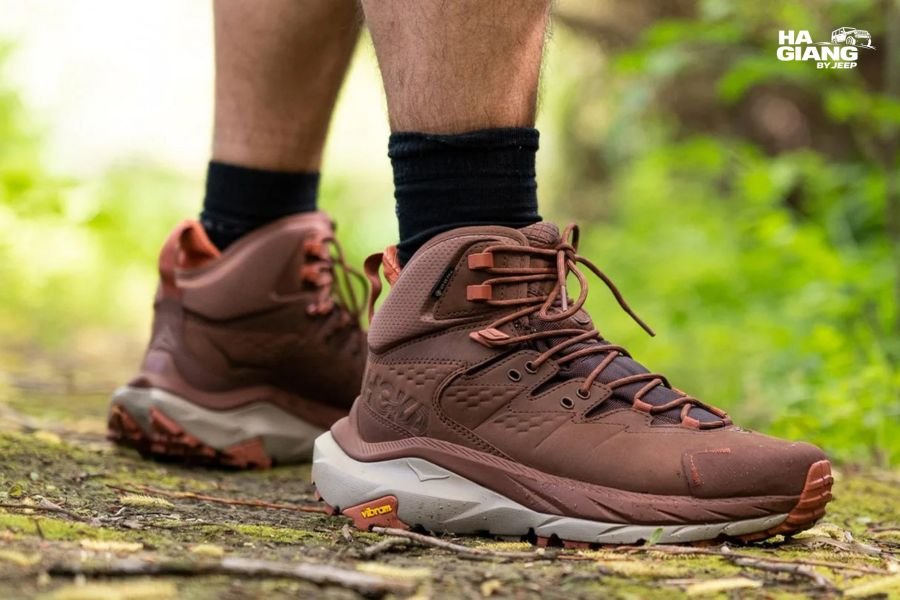
I've never heard a traveler regret good footwear. I've heard many regret bad choices.
Your feet carry you through villages, up stone steps at viewpoints, across uneven terrain during photo stops, and into homestays. They need support, grip, and protection.
Hiking Boots or Waterproof Trail Shoes
This is the right answer for most travelers. A mid-height hiking boot or waterproof trail shoe gives you:
- Ankle support: Uneven terrain, especially on steep sections, is easier to navigate with ankle support.
- Grip: Soles designed for hiking have aggressive tread patterns. Mountain paths get muddy or loose. Good grip prevents slips.
- Protection: Rocks, roots, and debris are less likely to injure your foot if you've got real footwear.
- Water resistance: Rain happens. Waterproof boots keep your feet dry, and dry feet stay comfortable.
- Break-in time: Hiking boots need 2–3 wears to feel fully comfortable. If you show up with brand-new boots, they'll cause blisters. Wear them for walks at home first.
What's the difference between hiking boots and trail shoes? Boots are higher-cut and more supportive. Shoes are lower and lighter. For a jeep tour with moderate walking, either works, but boots are safer if you're not a regular hiker.
Comfortable Sneakers: A Compromise
Decent waterproof sneakers (not fashion sneakers, actual trail or water-resistant shoes) work if you're fit and used to walking, if you're not overly worried about water, or if you're open to potentially damp feet.
Brands like Salomon, Merrell, and Keen make comfortable sneakers with real grip and water resistance. They're lighter than boots and feel more "normal" to wear.
Sandals: The Risky Play
Sandals are tempting because they're lightweight and you can slip them on quickly. Here's why they're risky:
- No protection if you step on sharp rocks
- Loose grip on wet surfaces
- Uncontrolled water entry in rain
- Limited support for walking uneven terrain
- Insects and dust reach your feet easily
Are sandals impossible? No. Many travelers wear them to homestays in the evening and hike in boots during the day. That hybrid approach is sensible. Full-day sandal-only approach? Not recommended.
Socks: Don't Overlook This
Moisture-wicking socks matter as much as your shoes. Merino wool or synthetic blends designed for hiking dry faster and prevent blisters better than cotton socks.
Pack at least two pairs of good hiking socks. Wet feet are uncomfortable; dry feet are non-negotiable.
Accessories That Actually Make a Difference
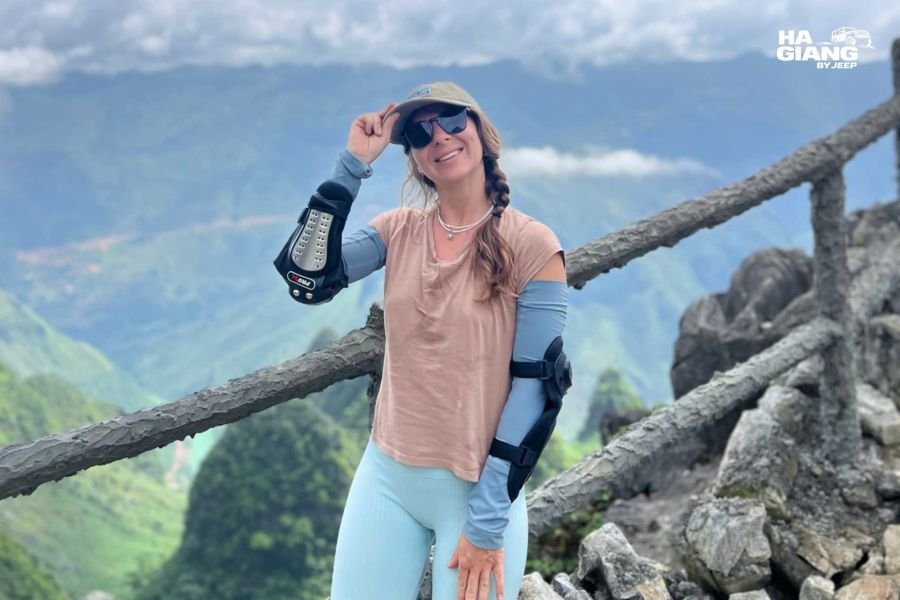
The small things add up to either a great experience or a frustrating one.
Sun Protection: Hat and Sunglasses
A wide-brimmed hat (baseball cap, sun hat, or even a Buff headwrap) shields your face and ears from intense UV at altitude. Your eyes need protection too—sunglasses aren't just style, they reduce glare and strain when you're looking at bright mountain vistas.
Choose:
- Hat: Wide brim, lightweight, packable. A merino wool or quick-dry hat that can be scrunched into a bag is ideal.
- Sunglasses: Polarized lenses reduce glare. Secure fit so they don't fall off on rough roads. Straps help.
Buff or Neck Gaiter
A simple tube of fabric you can wrap around your neck or pull up over your mouth and nose. It protects against dust, sun on your neck, and keeps you warm at altitude. It's one of the most underrated packing items. Seriously, bring one.
Backpack for Essentials
A small daypack (15–20 liters) holds your camera, sunscreen, water, extra layer, rain jacket, and snacks. You don't want these items in a large suitcase; you want them accessible during the day.
Sunscreen and Lip Balm
Reapply sunscreen every 2–3 hours if you're outside the jeep frequently. Bring lip balm with SPF because mountain sun plus wind equals chapped lips. These don't add weight; they're non-negotiable.
Temperature by Altitude: Real Talk
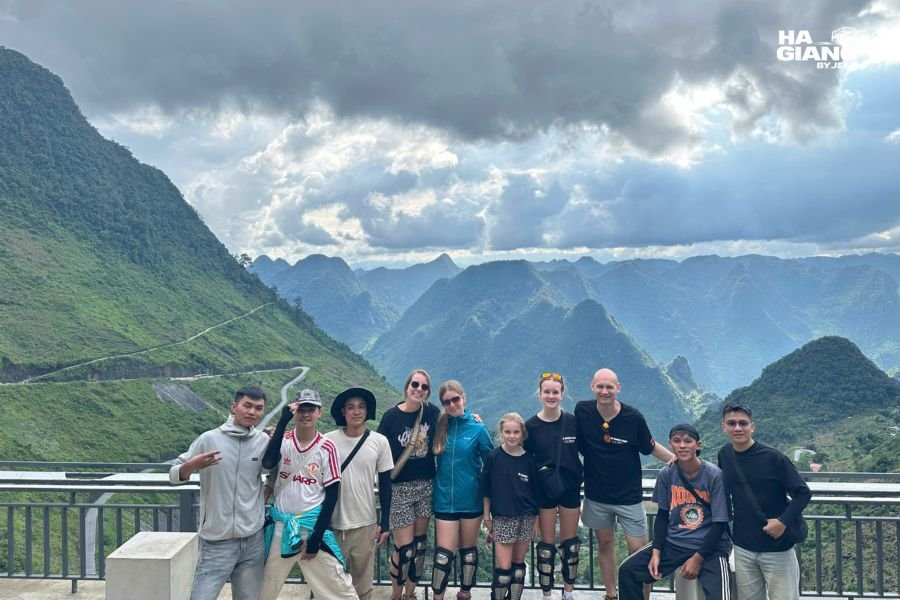
Here's the thing no guide explicitly states: altitude in Ha Giang changes temperature and conditions dramatically within an hour's drive.
Low Altitude (200–400m): Ha Giang City, River Valleys
Daytime temps: 25–30°C depending on season. This is warm, humid, generally sunny. Long sleeves still protect from sun, but you'll be conscious of heat. Evening temps drop 5–8°C.
What to wear: Long-sleeve technical shirt, light pants, hat. Rain jacket tucked in your pack.
Mid Altitude (600–800m): Most Populated Passes and Villages
Daytime: 18–25°C. Wind picks up noticeably. Evening temps drop to 12–18°C. This is where layering becomes obvious.
What to wear: Base layer plus fleece or light jacket plus wind-resistant outer shell.
High Altitude (1000+m): Ma Pi Leng Pass, Highest Points
Daytime sun is intense but air is cool, typically 12–18°C. Clouds roll in quickly. Evening? 5–12°C. Wind chill is real.
What to wear: Full layer system mandatory. Fleece, shell jacket, hat. Gloves possible if it's winter (December–February).
The Sunrise Challenge
If your jeep tour includes a sunrise stop at high altitude (Lung Cu Flag Tower, God's Eye Mountain), temperatures hit their daily low—sometimes close to 5°C even in autumn. You'll want a proper fleece and jacket even if daytime temps are warm.
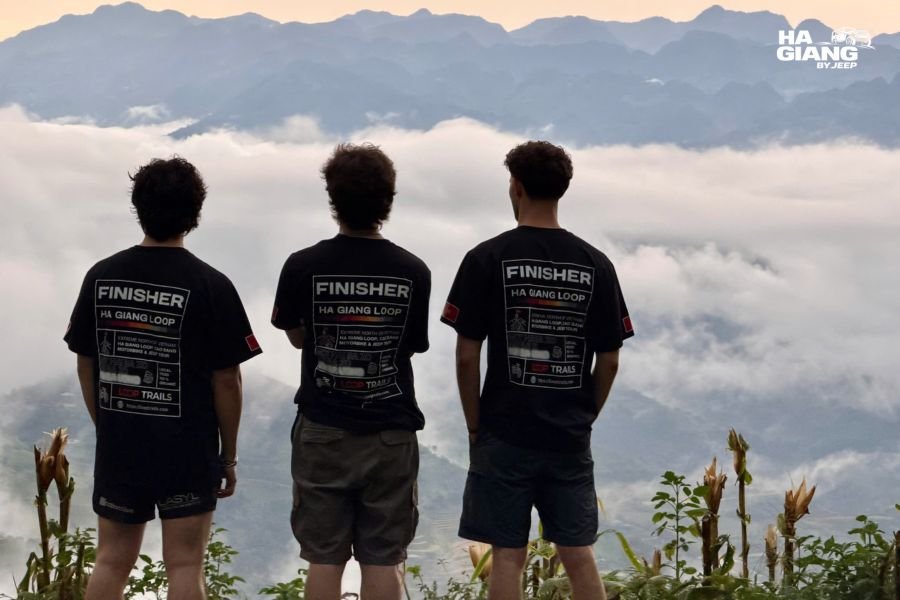
The Food and Fashion Connection
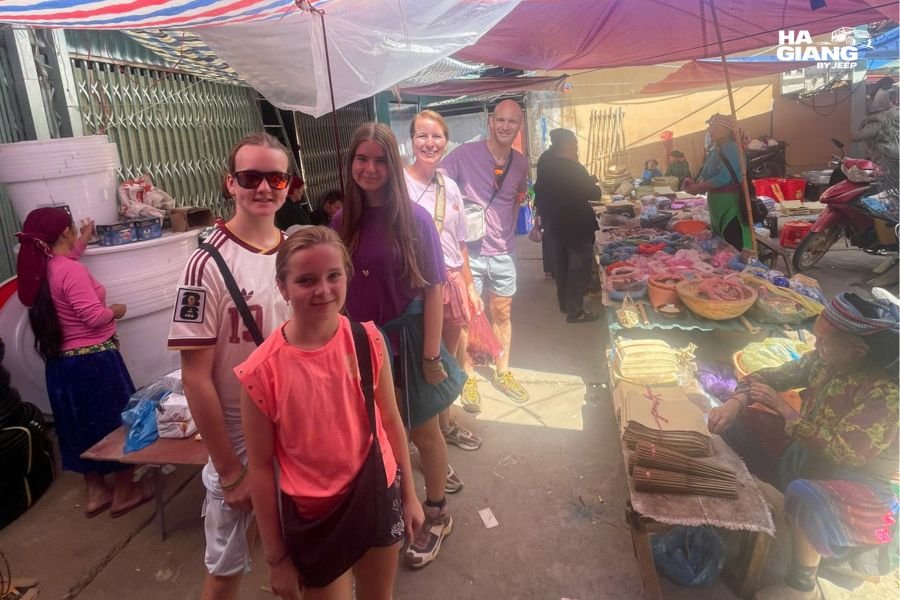
Here's a detail most packing guides skip: what you wear affects how much you enjoy food stops.
On a Ha Giang jeep tour, you'll stop at markets, roadside stalls, and village homestays. You'll eat com lam (bamboo sticky rice), banh cuon trung (rolled rice pancakes with egg), chao au tau (bird's nest soup), and drink ruou ngo (corn wine). The experience is more enjoyable when you're comfortable.
Why This Matters
If you're wearing jeans that dig into your waist, you won't enjoy a leisurely meal. If your shoulders are burning from sunburn, sitting for 20 minutes eating becomes an endurance test rather than a pleasure. If your feet hurt in bad shoes, a market walk feels like a chore.
Here's the upside of a private jeep tour: you stop where you want, when you want. You can grab a fresh sugarcane juice because it genuinely sounds good, not because your guide scheduled it. You can sit by a roadside restaurant and watch village life without rushing. That experience is magic.
The catch is that comfort clothing unlocks that magic. Uncomfortable clothing locks it away.
Market Visits
Dong Van Sunday Market and Khau Vai Market are highlights. You'll walk on uneven stone, browse among vendors, and maybe haggle over souvenirs. Comfortable shoes and breathable clothing make the experience enjoyable instead of a slog.
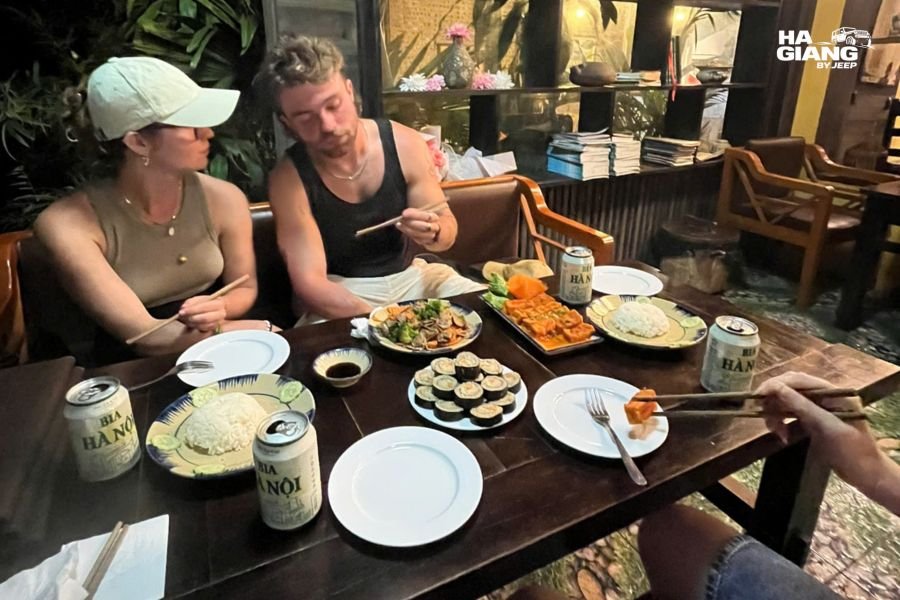
Food Stops and Hydration
Practical clothing with pockets (hello, cargo pants) means you can carry a water bottle without a backpack. You can keep a small amount of cash accessible. You're mobile and relaxed instead of stressed about where to put things.
Common Mistakes Travelers Make
After years of helping travelers pack, patterns emerge. Here are the big ones.
Mistake 1: Overpacking Layers
Bringing a huge jacket for "just in case" means carrying dead weight on warm days. Bring your layers, but choose versatile pieces that compress. A packable down jacket weighs almost nothing but warmth is serious. That's smarter than a bulky fleece you'll never actually wear.
Mistake 2: Fashion Over Function
That Instagram-worthy outfit made of white linen? It wrinkles, shows every speck of dust, and tears easily. Stick to functional fabrics. You can still look good in hiking pants and a technical shirt.
Mistake 3: Forgetting Underwear and Socks
You'll want to change underwear and socks daily on a multi-day tour. Pack one more pair than the number of days (3-day tour equals 4 pairs of each). Wet underwear from sweat or rain is genuinely uncomfortable for hours.
Mistake 4: New Gear Untested
Brand-new hiking boots on day one of a tour? Recipe for blisters. New pants you've never worn? Possible chafing. Test everything at home first. Wear your boots for weekend walks. Sit in your pants for a full day.
Mistake 5: Ignoring Your Personal Heat and Cold Preference
Some people run hot; others run cold. This guide gives general recommendations, but know yourself. If you're always cold, bring an extra fleece. If you run hot, stick to lighter layers.
Mistake 6: Bad Socks
Cotton socks feel fine at home. In a jeep, where you're sitting and your feet aren't moving much, they become uncomfortable fast. Splurge on quality hiking socks. It's the difference between enjoying your day and fighting blisters.
Packing Checklist for Ha Giang
Here's what actually fits in a day pack or small carry-on. This assumes a 3–4 day tour, but the logic scales to longer trips.
Essentials
- 2–3 long-sleeve technical shirts (quick-dry fabric)
- 1 fleece or light wool sweater
- 1 rain jacket (packable, important)
- 1 pair cargo pants or hiking trousers
- 1 pair shorts (optional, depends on season)
- Underwear (one more pair than tour days)
- Socks (hiking-weight, one more pair than tour days)
- Comfortable walking shoes or hiking boots (tested at home)
- Hat (wide brim preferred)
- Sunglasses
- Lightweight Buff or neck gaiter
Comfort and Hygiene
- Sunscreen (SPF 30+, bring more than you think)
- Lip balm with SPF
- Moisturizer (altitude dries skin)
- Toothbrush, toothpaste, basic toiletries
- Insect repellent (lightly useful, more peace of mind)
- Blister treatment (just in case)
Daily Carry (in Your Daypack)
- Water bottle or hydration pack (refill at stops)
- Camera or phone for photos
- Portable phone charger
- Small amount of local cash
- Copy of booking confirmation
- Light snacks (nuts, energy bars)
What NOT to Pack: Heavy jeans, cotton socks, formal shoes, more than one heavy jacket, fancy outfits.
FAQ: Your Clothing Questions Answered
Which Jeep Tour is Right for You?
Now that you know what to pack, let's match you with the right tour. Your comfort depends not just on what you wear, but on the pace and focus of your journey.
Ha Giang Loop in 3 Days and 2 Nights
Best for: Tight schedules, first-timers, travelers who want highlights without deep immersion.
Pace: Moderate. You'll see major passes and villages but won't linger in any one place long.
Why it matters: Fast altitude changes mean layering is crucial.
View 3-Day TourHa Giang Loop in 4 Days and 3 Nights
Best for: Most travelers. This is the full loop done at a comfortable pace with time to explore.
Pace: Leisurely. You'll visit villages, markets, homestays, and have time for coffee breaks and conversations.
Why it matters: Extra day means flexibility if weather shifts. Multiple altitude transitions mean full layer system essential.
View 4-Day TourHa Giang + Cao Bang in 5 Days and 4 Nights
Best for: Extended adventurers wanting to combine two regions. Includes Ban Gioc Waterfall and Pac Bo Historic Site.
Pace: Moderate to leisurely. More driving distance but fewer rushed moments.
Why it matters: You'll experience diverse microclimates. Versatile layering is essential.
View 5-Day TourHa Giang + Cao Bang in 6 Days and 5 Nights
Best for: Photographers, families wanting a relaxed pace, people who want both regions thoroughly explored.
Pace: Slowest and most flexible. Time to take photos, eat multiple meals, explore deeply.
Why it matters: Extra days mean you can adapt to weather. Comprehensive packing covers all scenarios.
View 6-Day TourJeep Wrangler Rubicon Self-Drive Rental
Best for: Experienced drivers confident navigating mountain roads independently. You control the pace entirely.
Pace: Whatever you want. Stop longer in villages, skip sites that don't interest you, explore side roads.
Why it matters: You're responsible for your own safety. Expect rougher roads. Protective gear (helmet, proper footwear) is non-negotiable.
View Rental OptionsAll tours include: Private 4x4 Jeep (no shared rides), English-speaking local driver (for guided tours), Soft-top for weather protection and open-air viewing, Pre-arranged homestay stays, Pickup from Ha Giang City or Hanoi (availability varies).
Ready to Book Your Ha Giang Jeep Tour?
You've got the knowledge. You know what to pack, why it matters, and how Ha Giang's weather and terrain shape your comfort. Now it's time to actually experience it.
A Ha Giang jeep tour isn't just a tour—it's the freedom to explore at your own pace in a vehicle that handles any road and any weather. You'll eat where locals eat, stop where views stop you mid-breath, and sleep in homestays that feel like staying with family. Comfortable clothes let you focus on those moments instead of adjusting your outfit every 20 minutes.
The mountains are waiting. The routes are mapped. The jeeps are ready. All that's left is to secure your spot.
Book Your Spot Today
WhatsApp us: +84 862 379 288 or +84 938 988 593
Email: booking@hagiangbyjeep.com
Or fill out our quick booking form with your preferred tour, dates, and group size.
We'll confirm availability, discuss any questions about what to expect (including final packing tips), and get you locked in.