Ha Giang vs Cao Bang: Which Jeep Tour Should You Choose?
You've got a week in northern Vietnam. The mountains are calling. But you're standing at a crossroads: Ha Giang Loop or Cao Bang? Or maybe both? The question isn't which is "better"—it's which one matches what you actually want from a mountain adventure.
Both regions deliver on the promise of remote landscapes, hairpin curves, and local encounters. Both have waterfalls, limestone formations, and roads that will make you grip the armrest. But they feel fundamentally different. Understanding those differences is what separates a trip you're happy with from a trip you're raving about years later.
This guide walks through both regions side by side. Not to convince you one is superior, but to help you match the experience to what you're looking for: Are you chasing dramatic curves and views? Authentic village life? Food adventures? Or a combination that justifies five or six days in a jeep?
The Ha Giang Loop: Mountain Curves and Endless Views
Ha Giang is the workhorse of northern Vietnam jeep tours. For good reason.
What Makes Ha Giang Special
The Ha Giang Loop is a fixed circuit: roughly 350 kilometers of road that stays mostly contained in one province. That containment is actually the appeal. You're not jumping between regions; you're circling one area, deepening your understanding of it as each day passes.
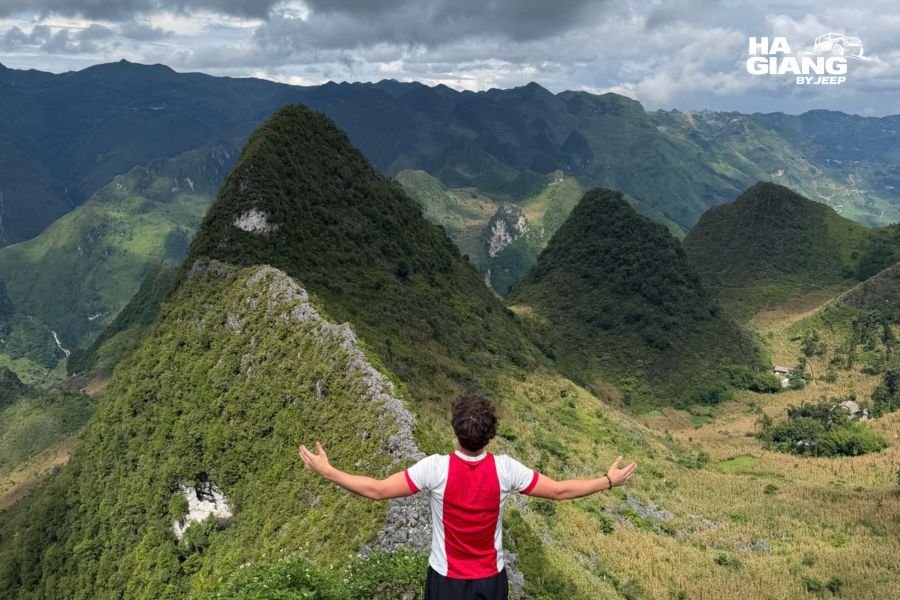
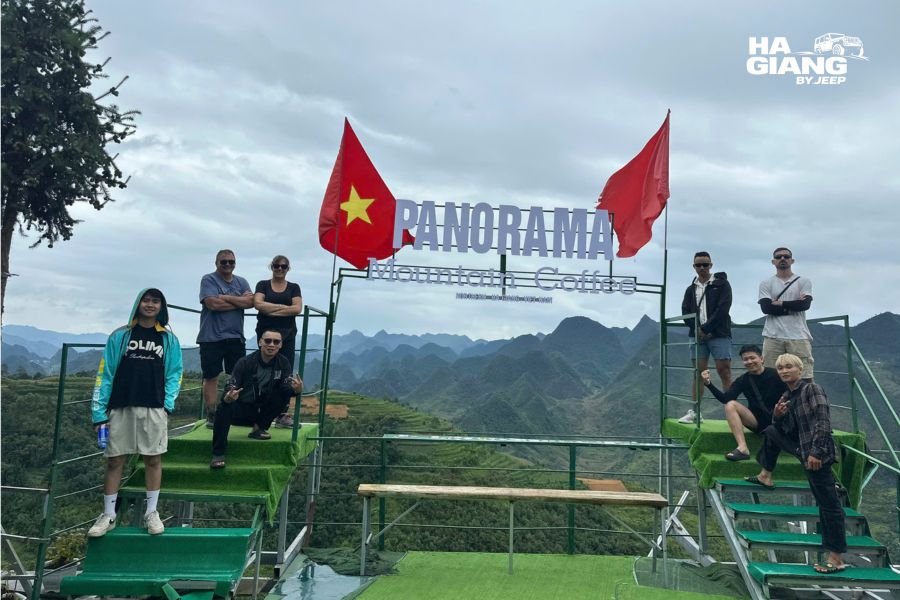
The loop is famous for two things that dominate the experience: curves and karst scenery. Ma Pi Leng Pass, Khau Vai market, Quan Ba Heaven's Gate, Tham Ma Pass—these aren't side attractions. They're the actual journey. You spend hours driving through a landscape that looks engineered by someone who loves dramatic geometry.
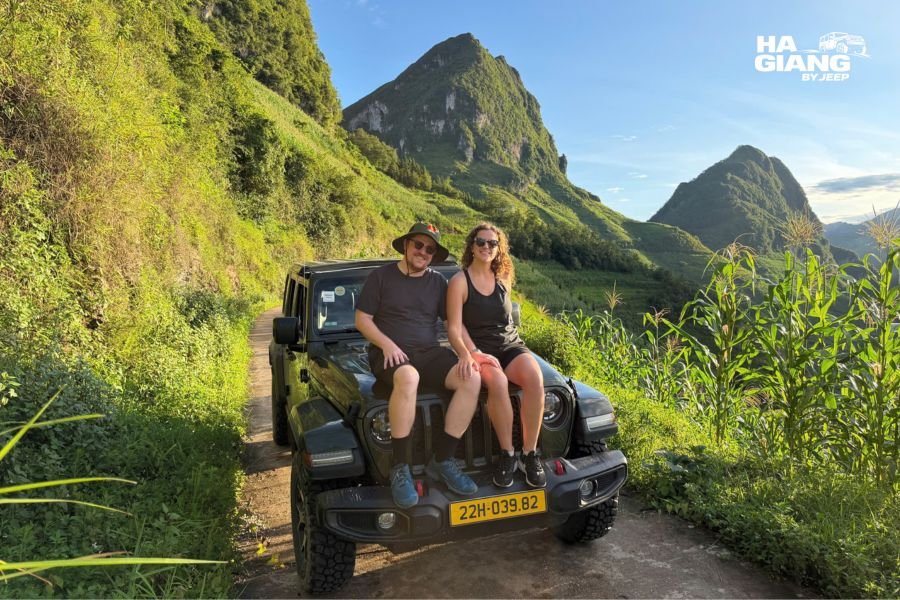
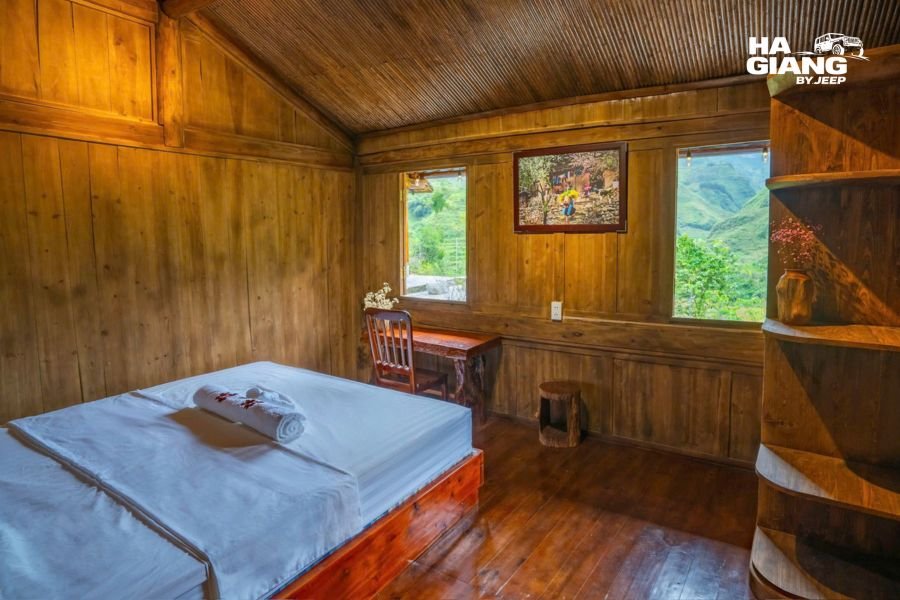
The jeep experience in Ha Giang is smooth because the loop is well-developed for tourism. You'll find established homestays, reliable food stops, and drivers who've done this route a thousand times. That familiarity isn't boring; it's confidence. Your driver knows exactly where to stop for the best light, where the least crowded viewpoint is, and which family-run restaurant makes the best local dishes.
The Ha Giang Loop Itinerary at a Glance
3 Days / 2 Nights: Hanoi to Ha Giang in the morning, a partial loop focusing on Ma Pi Leng Pass and Quan Ba, overnight homestay, return to Hanoi. This catches the highlights but doesn't let the landscape settle into your bones. Good if you're on a tight timeline or testing the waters.
4 Days / 3 Nights: The full loop at a comfortable pace. You'll hit all the famous passes, stay in homestays, eat roadside and at local restaurants, and leave feeling like you actually know the region. This is the most popular option because it balances depth with practicality.
Weather and Best Times to Visit Ha Giang
Ha Giang is high altitude (averaging 1,000+ meters). That means temperature swings. Bring layers year-round.
October through November is perfect: cool, dry, clear skies, and the landscape is green from previous rains. November especially offers that crisp air and early morning fog that photographers dream about. September can be wet. December to February is cool to cold in the mornings (10–15°C) and warms to 20°C+ by afternoon. Spring (March-April) is pleasant but increasingly crowded as tourists arrive. Summer (May-August) is hot, humid, and rainy, particularly in the afternoons.
The road stays passable year-round, but wet season means you're driving in mist, around minor washouts, and occasionally sitting out heavy rain at a roadside stop. Some travelers love this atmospheric experience. Others prefer to avoid it.
Cao Bang: Vietnam's Hidden Northern Gem
Cao Bang feels different the moment you enter the province. Fewer tourists. Quieter roads. A sense that you've found something before it became famous.
Why Cao Bang Feels Different (Geography, Scale, Crowds)
Cao Bang is larger geographically than Ha Giang but less toured. If Ha Giang Loop is a popular hiking trail that's well-maintained and crowded on weekends, Cao Bang is the adjacent forest that fewer people venture into.
The terrain varies more. Instead of a single loop, Cao Bang has multiple attractions spread across the province: Ban Gioc Waterfall to the north (one of Vietnam's largest, on the Chinese border), Pac Bo Historical Site to the east, Ngoc Con Valley, caves. You're not chasing a predetermined route; you're choosing based on what interests you.
The tourism infrastructure is lighter. Fewer homestays are optimized for tourists. Roads are sometimes rougher. Signage is less frequent. This creates adventure for people who want it, but can feel like disorganization for those expecting polish.
Ban Gioc Waterfall and Beyond
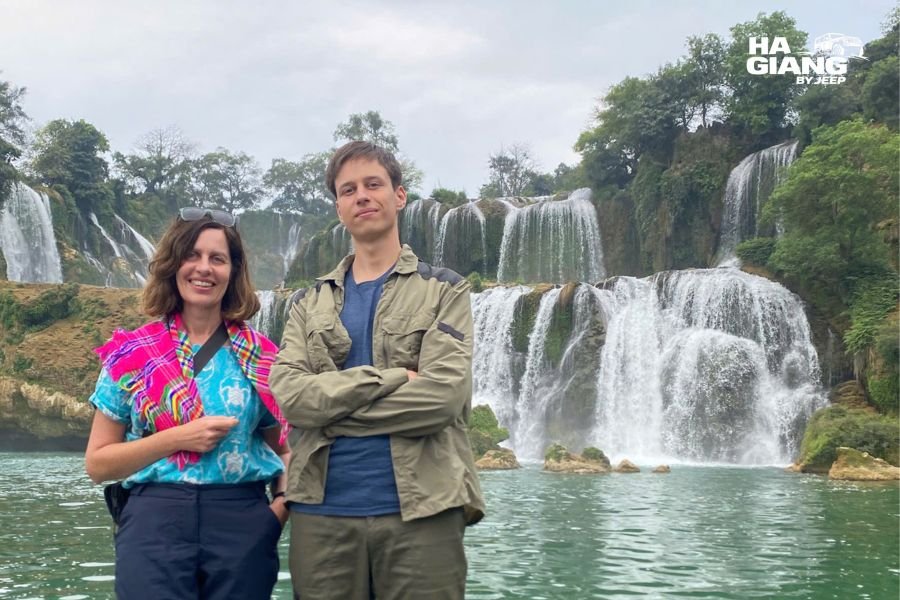
Ban Gioc is the iconic Cao Bang attraction. It's genuinely impressive: water cascading down limestone cliffs, a dramatic enough sight that it justifies the trip on its own. You can swim in the pool below if conditions are safe. The walk around the falls takes 30 minutes to an hour, and it's accessible for most fitness levels.
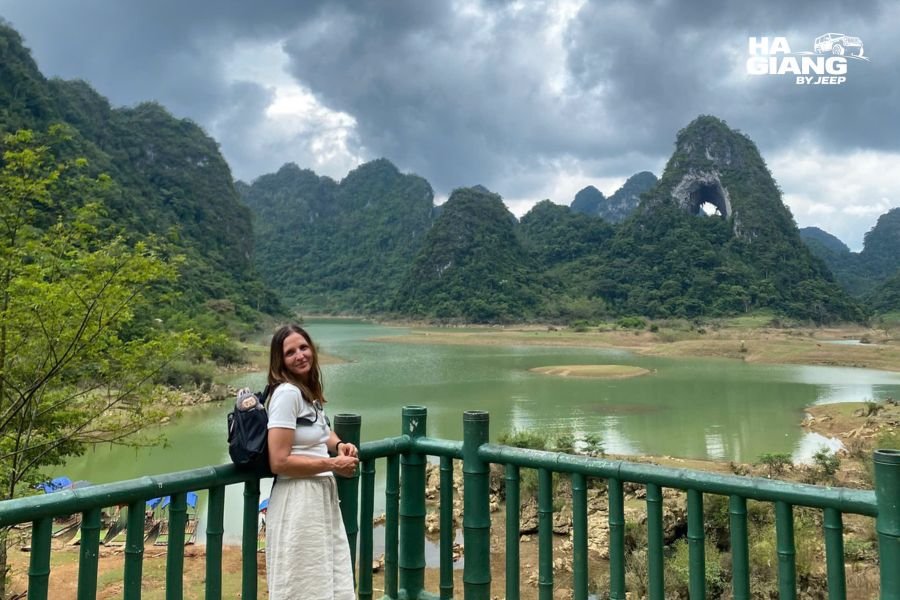
But Ban Gioc isn't the only reason to go. Pac Bo Historical Site (where Ho Chi Minh returned to Vietnam) has cultural significance. Ngoc Con Valley has stunning scenery with fewer tourists than equivalent spots in Ha Giang. Limestone caves exist if you want to break up driving with exploration.
Cao Bang's Seasonal Considerations
Cao Bang follows similar seasonal patterns to Ha Giang but with its own quirks. October-November is excellent. December-February can be surprisingly cold at higher elevations, and the province's northern position means occasional frost.
Ban Gioc's water level fluctuates seasonally. Heavy rains (May-September) mean fuller waterfalls but also dangerous water levels and potential road washouts. Dry season (November-April) offers safe swimming but less dramatic falls.
Ha Giang vs Cao Bang: Head-to-Head Comparison
Time to be direct about what differs.
Scenery and Landscapes: Which Impresses More?
Ha Giang: Curves dominate the experience. Roads wind back on themselves repeatedly, creating visual drama. Mountains surround you; you're always aware of the scale. Views are long-distance and varied—one hour you're looking at a deep valley, the next at karst peaks, the next at terraced rice fields. The landscape is engineered by roads; you see the terrain through the geometry of the jeep's route.
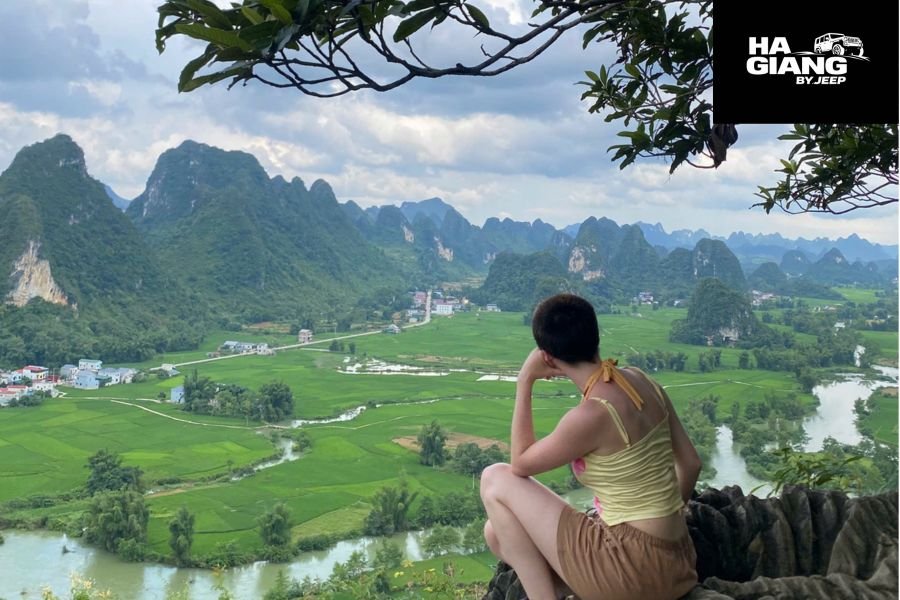
Cao Bang: Scenery is more varied geographically but less concentrated. Ban Gioc's waterfall is specific and impressive. Valleys are deep and peaceful. Karst formations exist but feel secondary to forests and water features. The landscape feels more "natural" in the sense that development hasn't shaped sightlines as much.
Winner for pure road scenery: Ha Giang. Curves and views create continuous visual interest.
Winner for dramatic singular attractions: Cao Bang (Ban Gioc waterfall).
Winner for peaceful landscapes: Cao Bang. Less tourism infrastructure means less visual "tourism footprint."
Road Conditions and Driving Difficulty
Both regions have maintained asphalt roads suitable for standard jeeps.
Ha Giang: Roads are well-maintained because they handle tourism traffic daily. Curves are tight and numerous, but they're also well-engineered. You're rarely surprised by road condition. The difficulty is mental (lots of curves, lots of altitude changes) rather than physical (dodging potholes).
Cao Bang: Roads vary more. Some stretches are excellent. Others are rougher, with more potholes and gravel. The route isn't as standardized, so road quality depends on which attractions you prioritize. Getting to Ban Gioc requires driving through areas that see less regular maintenance.
Local Culture: Authenticity and Connection
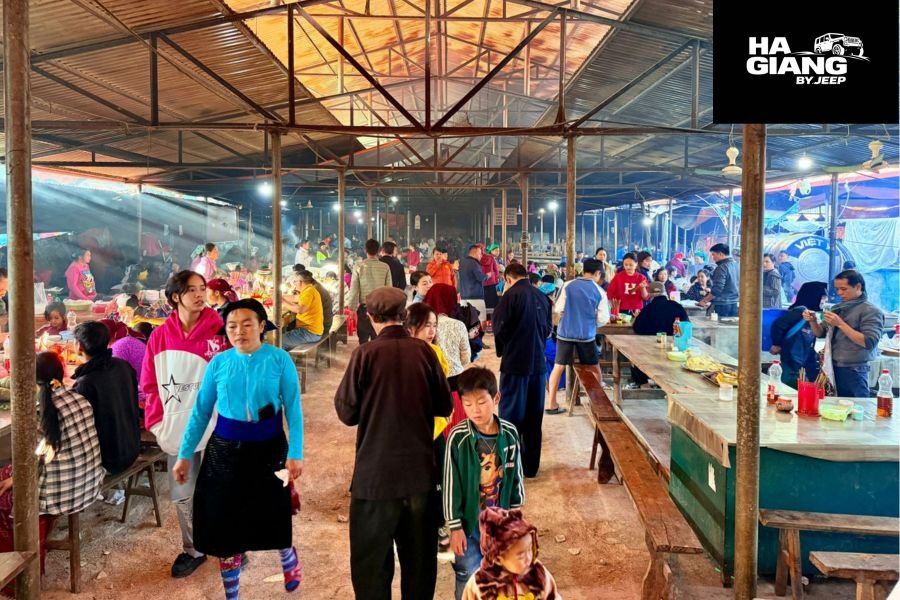
Ha Giang: Tourism has become part of the local economy, but it hasn't overwhelmed it. Homestays are family-run. Drivers are locals who can explain regional history and culture in English. Markets exist for locals primarily, tourists secondarily. You get genuine interaction because you're in spaces where locals actually spend time.
Cao Bang: With fewer foreign tourists, interactions might feel more "unfiltered." You're less likely to encounter anyone performing culture for tourists. Homestay owners often speak limited English, which is a barrier but also creates authenticity—everything requires actual communication, not tourism scripts.
Tourism Intensity: Crowded or Peaceful?
Ha Giang Loop is an established tourist destination. October-November, you'll encounter other jeep groups, trekking companies, and foreign travelers at popular stops. Homestays fill up. Viewpoints have multiple vehicles. It's not overwhelming, but you're sharing the experience with others.
Cao Bang is noticeably quieter. Ban Gioc has tourists, but the roads between attractions often feature just your jeep. Homestays are less likely to be full. Meals at roadside restaurants might be just you and locals.
Food and Roadside Experiences
This is where the practical difference matters.
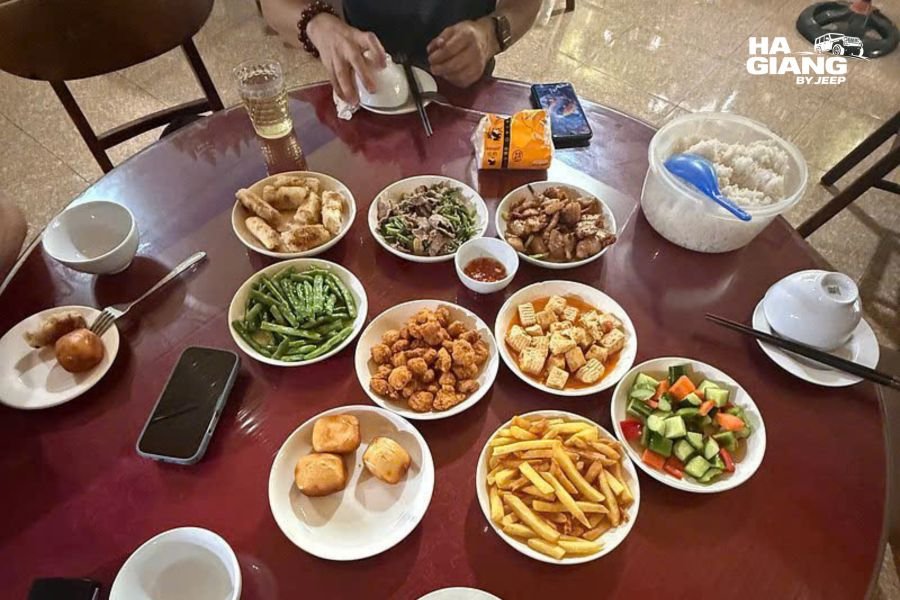
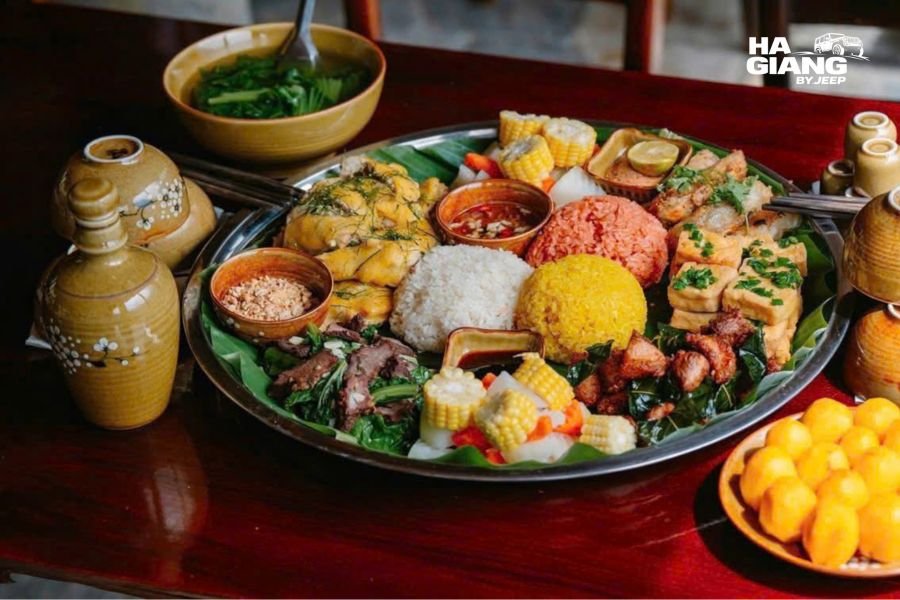
Ha Giang: Roadside food stalls are abundant and established. Com lam (sticky rice cooked in bamboo), banh cuon trung (pork and egg crepes), thang den (local soup made with organ meat—sounds scary, tastes amazing), and fresh spring rolls are available everywhere. You can stop anywhere your driver recommends, and the experience is simultaneously adventurous and safe. Many stalls know tour operators and accommodate tourists with relative comfort.
Cao Bang: Food exists, but roadside culture is less developed. Ban Gioc has restaurants. Highway stops exist. But the established "tourist-friendly roadside food" culture isn't as mature. You're eating at actual local places, which means fewer English menus, less predictability, but often authentic flavors.
With a private jeep, you can also linger. Your driver controls timing. Want to spend two hours at a market eating your way through stalls? Stop at three different spots for lunch? No problem. This is especially valuable in Ha Giang, where roadside food culture is richer.
Combining Both: The Ha Giang–Cao Bang Route
This is where the math gets interesting.
A 5 day trip gives you roughly 3 days for Ha Giang and 2 days for Cao Bang. You hit the Ha Giang Loop highlights (Ma Pi Leng, Quan Ba, a homestay night), then head south to Cao Bang and finish at Ban Gioc Waterfall. It's rushed but doable, and you get the "both" experience without committing to a week.
A 6 day trip lets you do the full Ha Giang Loop (3 nights, hitting everything) plus 2–3 days in Cao Bang with less rushing. You can add Pac Bo Historical Site or Ngoc Con Valley without feeling time-pressured. This pacing is comfortable and thorough.
The transition between regions is straightforward: roughly 2–3 hours of driving from Ha Giang City to Cao Bang City. Most combined tours build this drive into the itinerary and use it as a half-day travel day where you stop at intermediate attractions.
Honest take: A 5 day combo works and delivers variety. A 6 day combo lets you actually breathe in each region. If you're torn between the two, 5–6 days for both beats 3–4 days for one.
Which Jeep Tour is Right for You?
Let's cut through the comparison.
Choose Ha Giang Loop (3–4 days) if:
You prioritize mountain scenery and dramatic curves. You want a well-paced, established tour with minimal logistics stress. You're first-time Vietnam travelers and want comfort alongside adventure. You love roadside food exploration and market experiences. You have limited time (3 days is actually sufficient). You're traveling with people of varying fitness/comfort levels. You want natural photo opportunities without much hiking.
Choose Cao Bang (3–4 days) if:
You want fewer tourists and a quieter experience. Ban Gioc Waterfall is a must-see for you. You're comfortable with rougher roads and less-established tourism infrastructure. You want to explore beyond a fixed route. You prefer peace and fewer tourist crowds over established amenities. You're flexible and patient. Things move at a different pace.
Choose Both: Ha Giang + Cao Bang (5–6 days) if:
You have the time. You want maximum variety in landscapes, attractions, and experiences. You want to compare regional differences yourself rather than wondering "what if." You're a "more is better" traveler. You want both iconic attractions (curves + waterfall) and authentic roadside experiences.
Choose Jeep Wrangler Rental (self-drive) if:
You're a confident driver comfortable with mountain roads. You want complete control over stops, timing, and route. You're traveling with a group and prefer not to rely on a driver's schedule. You want the freedom to explore side roads and detours. You're comfortable navigating without English-speaking local guidance.
A Practical Note About Private Jeeps and Flexibility
This is worth emphasizing because it changes everything.
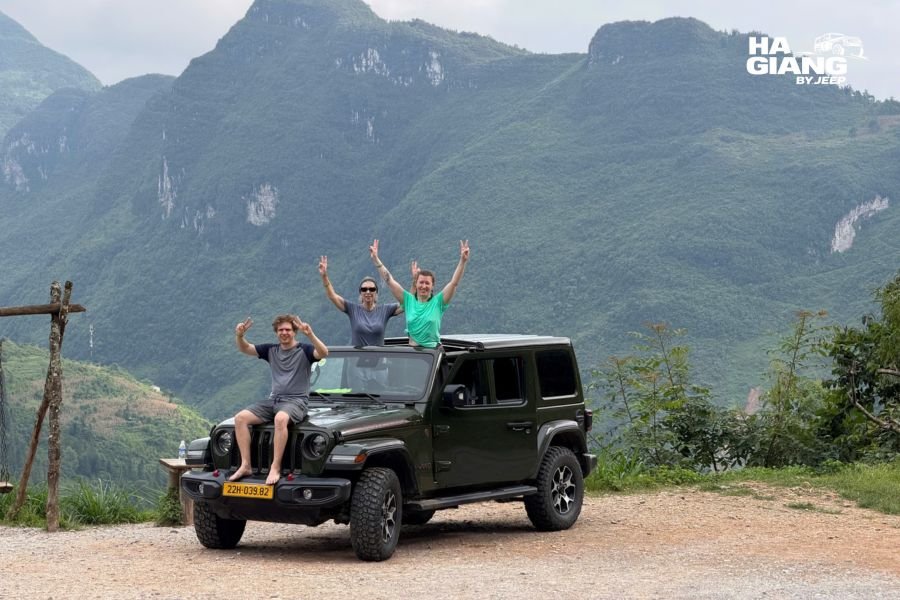
With a private jeep and driver, your itinerary is yours. Want to spend an extra hour at a market instead of rushing to the next viewpoint? Your driver adjusts. Want to eat at a specific roadside stall your driver's family recommends? Stop for two hours. Want to try a different route based on weather or mood? Pivot.
This flexibility is particularly valuable in Ha Giang, where roadside food culture and market experiences are rich. You're not locked into a group tour schedule where everyone eats at the same restaurant at the same time. You explore at your pace.
The same applies to Cao Bang. Fewer tourists means roads don't have established traffic patterns. Your driver can find quiet spots, avoid the Ban Gioc crowds during peak hours, or spend extra time at Pac Bo without worrying about group schedules.
Self-drive offers this same freedom if you're comfortable navigating. Jeep rental with a driver offers it without the navigation and road responsibility.
The Food and Roadside Experience Angle
Here's something that separates a good trip from a great one: food.
Both regions have distinct food cultures. Ha Giang's roadside scene is more developed, which means you can eat your way through the day: breakfast at one stall, a mid-morning snack at a market, lunch at a family restaurant, afternoon com lam and sticky rice, dinner at a homestay. Each stop is different. Thang den, banh cuon trung, local corn wine (ruou ngo)—these aren't restaurant dishes. They're roadside discoveries.
Cao Bang's food scene is quieter, but no less interesting. Ban Gioc area has more established restaurants because it's an active tourist destination. The road to Pac Bo has fewer options. This can be an asset (adventure) or a liability (planning around meal times matters).
With a private jeep, you have agency. You're not eating what a tour company scheduled. Your driver knows which stalls are worth stopping at, which markets have the best local food, where to go for authentic experiences versus tourist traps.
This matters more if you're a "food adventure" traveler. If meals are fuel between activities, the difference is minor. If you want to actually taste a region's food culture, private jeep flexibility wins.
Honest Challenges for Each Region
Ha Giang Loop Challenges
The curves are beautiful, but 6–8 hours of driving per day for 3–4 days means a lot of time concentrating on the road. Some travelers experience mild motion sickness (the repeated switchbacks), especially if you're in the back seat. Motion sickness meds (Dramamine, ginger) help. Driving at a moderate pace (avoiding speed) also helps.
October-November crowds mean homestays fill up, viewpoints aren't empty, and you're part of a tourism flow rather than discovering things. November especially gets busy. If solitude matters, come in shoulder season (April, September) and accept some weather tradeoffs.
Cao Bang Challenges
Road roughness and less-established logistics mean you're responsible for more decision-making. A driver who doesn't speak English leaves you without explanations. Homestays might not have hot water or reliable beds. Ban Gioc Waterfall feels genuinely touristed (entrance fee, tour boats, crowds), which contradicts the "hidden gem" vibe people expect.
The province's distance from Hanoi means longer travel time, which eats into actual tour days. Getting to Cao Bang from the central loop adds 4–5 hours of driving.
Neither region is a "wrong choice." They're just different experiences with different tradeoffs.
Still Deciding?
Talk to us. We'll ask about your travel style, fitness level, group composition, and help you narrow down what actually fits your needs.
Common Questions About Ha Giang vs Cao Bang
Ha Giang. The established tourism infrastructure means child-friendly homestays, predictable meals, and less road stress. Cao Bang isn't impossible for families, but Ha Giang is more comfortable for kids and parents.
Cao Bang, objectively. Fewer foreign tourists visit, roads are quieter, homestays aren't "tourism optimized." But "less touristy" doesn't mean "untouched"—Ban Gioc is actively touristed.
Ha Giang is more forgiving for newer mountain drivers. Cao Bang requires more attention to road surfaces. Both are manageable for someone comfortable with tight curves. Test yourself on the first day before committing.
Some travelers experience it on the Ha Giang curves. Taking preventive medication, sitting in the front, and asking your driver to drive at a moderate pace (not speed) minimizes it. It's not universal, but worth planning for if you're prone to car sickness.
A 2 day Ha Giang partial loop is better than a rushed attempt at Cao Bang (which requires travel time to reach). If you have 3 days, a full Ha Giang Loop is achievable. Cao Bang needs a minimum of 3–4 days to justify the travel time.
Standard travel precautions apply. Book through established operators. Negotiate prices for self-drive rental before committing. Avoid unmarked roadside guides offering "better deals." Both regions are safer than major cities, but opportunistic pricing exists in touristy areas. Our teams are transparent about pricing upfront—no surprises at the end.
Yes, roads stay passable, but conditions are rougher. Visibility is lower (mist and clouds), roads might have minor washouts (cleared quickly), and afternoon rains are common. Some travelers love the moody atmosphere. Others find it stressful. Rain season (May-September) offers lower prices and fewer tourists as a tradeoff.
Vietnamese law is changing. Technically, you need a Vietnamese license or an international driving permit officially recognized. In practice, enforcement is inconsistent. We recommend getting an international driving permit (IDP) through your home country's auto association before traveling—it's inexpensive and removes uncertainty.
Roughly 2–3 hours from Ha Giang City to Cao Bang City depending on road conditions and stops. Most combined tours build this drive into the itinerary as a half-day travel day with interesting stops along the way.
Absolutely. You don't need to do the full combo. A standalone Cao Bang tour focuses on Ban Gioc and surrounding attractions without the Ha Giang Loop portion. Contact us to customize your itinerary.