
Ha Giang Road Conditions by Season: An Honest Guide to the Loop
The roads up here are better than most people fear and more variable than most guides admit. The truth is not about distance, it is about surface, weather and who is at the wheel.
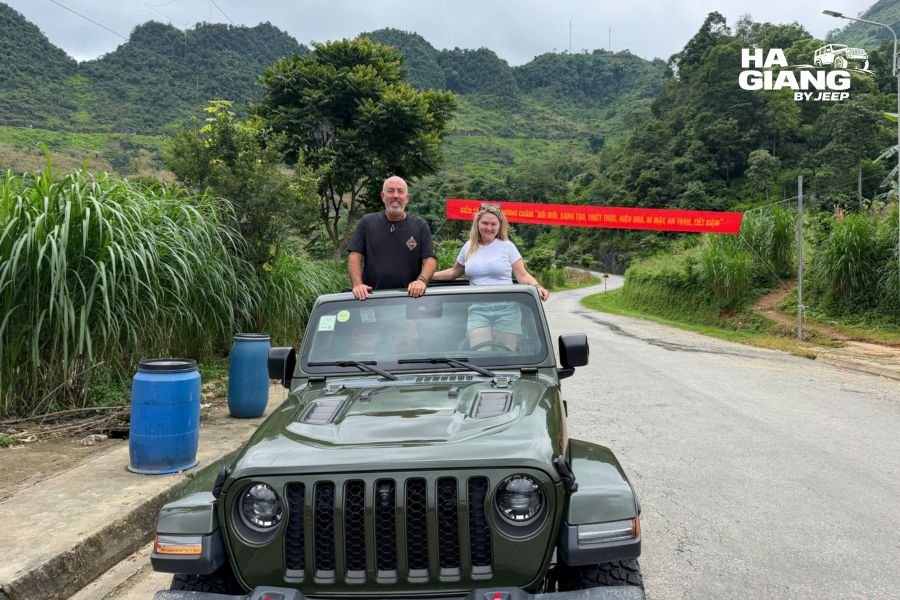
If you have been reading about the Ha Giang Loop, you have probably seen two contradictory stories. One says the roads are terrifying, all cliffs and no barriers. The other says they are perfectly smooth and nothing to worry about. Neither is quite right.
Here is the honest version, written by people who drive these roads every week of the year. Ha Giang road conditions are genuinely good in many places, rougher in others, and heavily dependent on the season and the weather on the day. Understanding that is the difference between a trip that flows and one that frustrates you.
This guide covers what the roads are actually like, how they change through the year, the three things that really shape your day, and why the single most important factor is not the tarmac at all. No scare stories, no false reassurance, no invented numbers.
The Honest Answer: Are Ha Giang's Roads Safe?
Short version: yes, with the right vehicle, the right driver and a bit of respect for the weather.
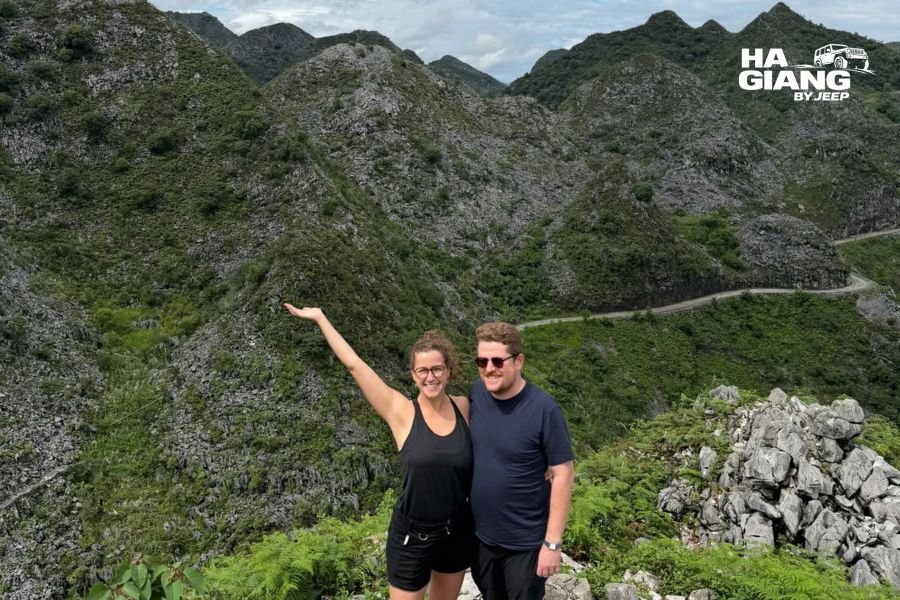
The main tourist route around the loop has improved a great deal over the years, and large parts of it are properly surfaced mountain road. These are not motorways, and they were never meant to be. They are winding, they climb and drop constantly, and in places they run along genuine drops. That is the terrain, and it is also the whole appeal.
What makes them safe or not is rarely the road itself. It is the combination of conditions and decisions around it: how much it has rained, how thick the fog is, whether a section is being worked on, and above all whether the person driving knows the road and is making sensible calls. Get those right and the loop is comfortably within reach of any traveller, including families, older visitors and people who would never want to drive it themselves.
The people who get into trouble up here are almost never undone by the tarmac. They are undone by inexperience, bad weather pushed through instead of waited out, or overconfidence. A private jeep tour of the Ha Giang Loop removes all three of those risks in one go, which is a large part of why people choose it.
What the Roads Are Actually Like
The loop is not one road with one condition. It is a network, and different parts feel very different.
The Main Loop
The core circuit that most people drive, out from Ha Giang City up through Quan Ba, Yen Minh, Dong Van and Meo Vac, is the most travelled and generally the best maintained. Much of it is decent asphalt, with barriers on many of the exposed sections. It carries the most traffic and gets the most attention, so this is the part that has improved the most.
The Passes
The high passes are the drama, and the Ma Pi Leng road between Dong Van and Meo Vac is the headline. It is a narrow ribbon cut into a cliff high above the Nho Que River, and it is spectacular. The surface itself is usually reasonable, but it is exposed, it is narrow, and it demands full attention and a driver who knows where the blind corners are. This is a place to be a passenger soaking up the view, not a nervous first timer gripping a wheel.
The Rougher Detours
Step off the main circuit and things change. Roads out to quieter spots like Du Gia, or up to some of the smaller villages, can be narrower, less maintained, and rougher underfoot, with potholes, broken edges and unpaved stretches. These detours are often the most rewarding parts of a trip, and they are exactly where clearance and a capable vehicle start to matter.
The Cao Bang Extension
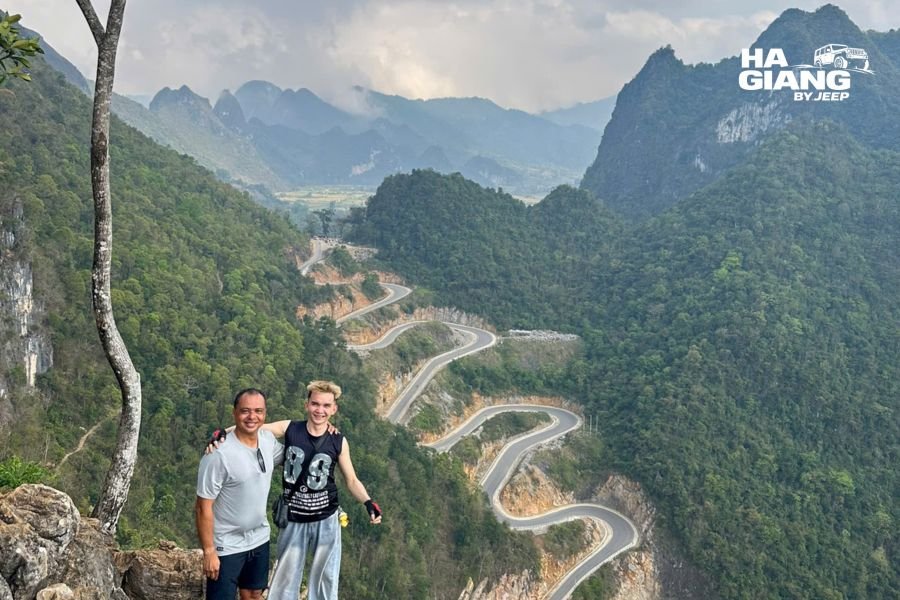
If you continue east toward Ban Gioc and Cao Bang, you get another mix again: some excellent newer road, some remote and rougher sections, and standout stretches like the tightly stacked bends of the 15 step pass. It is quieter than the loop and a wonderful drive, covered in full in our guide to going from Ha Giang to Cao Bang.
Ha Giang Road Conditions by Season
This is where Ha Giang road conditions actually change the answer, so it deserves the detail. The same road can be an easy cruise or a careful crawl depending on the time of year.
Dry Season: The Easiest Driving
Through the drier months, roughly across autumn and into winter, the roads are at their most predictable. Surfaces are dry, grip is good, and the landslide risk drops right down. This is the most reliable time to drive the loop, and if smooth logistics matter most to you, it is the window to aim for. Our guide to visiting Ha Giang in October covers that peak dry stretch in detail.
The Rainy Season: The Most Variable
The wet months are when road conditions become the main character of the trip. Heavy rain can cause landslides, rockfalls, mudflows and temporary closures, and a road that was clear in the morning can be blocked by afternoon. It is very manageable with local knowledge and a flexible plan, but it is the season that most rewards experience and most punishes a rigid schedule. We go deep on this in our guide to the Ha Giang Loop in the rainy season.
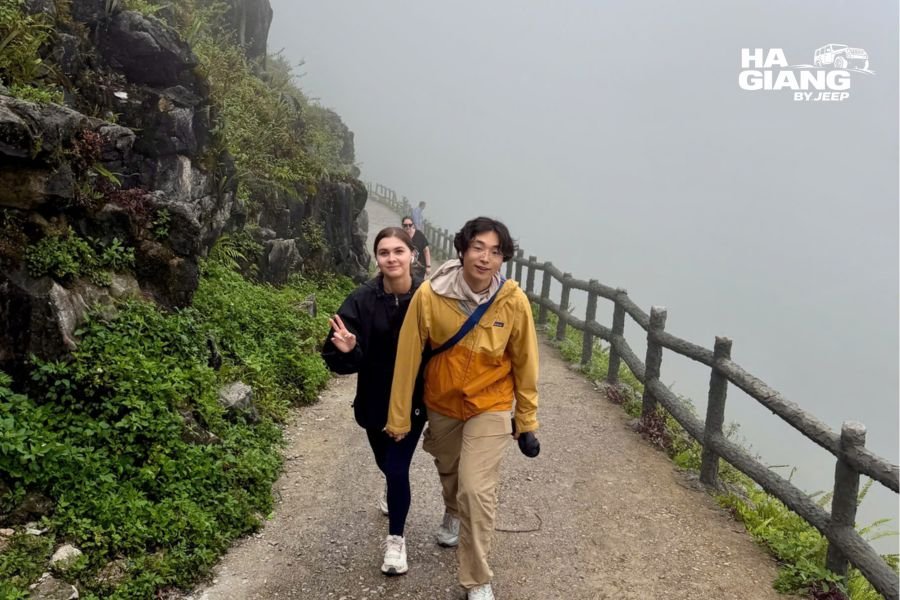
Winter and Cold Snaps
Winter roads are usually dry and fine, with one occasional exception: in extreme cold snaps, ice can form on the highest sections. It is not common and does not happen every year, but it is real, and it is a genuine reason to have a driver who checked the pass that morning. Our Ha Giang in winter guide covers what to expect.
Shoulder Months
Spring and the edges of the seasons are a mixed bag. Early spring can still bring the fine, persistent drizzle that makes surfaces greasy and visibility poor, while late spring warms up and dries out. It is generally gentle driving, with the usual advice to check current conditions near your dates. Our Ha Giang in spring guide has the seasonal picture.
Not sure how the roads will be for your dates? Message us on WhatsApp with when you are thinking of coming, and we will tell you honestly what the roads have been doing lately and what to expect. Real answers from people driving them right now, not a generic seasonal chart.
The Three Things That Actually Affect Your Day
Travellers obsess over distance. In Ha Giang, distance is almost irrelevant. Three other things decide how your day goes.
- Rain. Not because you get wet, but because of what it does to surfaces and slopes. Wet roads are slower and landslides become possible. A soft top and heating keep you comfortable while the driver adjusts the pace.
- Fog. Low cloud on the passes cuts visibility and slows everything down for safety. It usually burns off through the morning, which is a good reason to start early.
- Roadworks. The roads here are constantly being improved, which is good news long term, but it means you can hit an active works section, loose gravel or a short hold up with little warning. It is normal, and a flexible plan absorbs it.
Notice what is not on that list: how many kilometres lie between two villages. That is deliberate, and it leads straight into the next point.
Why We Never Publish Driving Times Between Stops
You will find websites that tell you it is exactly so many minutes from Dong Van to Meo Vac, or a precise number of hours around the loop. We do not do this, and we would gently suggest you distrust anyone who does.
Here is why those numbers are close to meaningless in Ha Giang:
- Weather rewrites them daily. Rain, fog or a fresh landslide can double a section's driving time or close it entirely.
- Roadworks move constantly. An active works zone that was not there last week can add a slow crawl this week.
- Livestock and life happen. Buffalo on the road, a market spilling onto the tarmac, a wedding, a funeral. The mountains do not run to a timetable.
- The whole point is stopping. On a good trip you stop constantly, for a viewpoint, a photo, a bowl of something hot, a village that looks interesting. A "driving time" assumes you never stop, which is the opposite of how you should travel here.
So instead of selling you a false precision, we plan realistic days with built in slack, and we adjust in real time. A number on a page cannot do that. A driver who knows the road can. If a site is quoting you exact minutes between stops, it is guessing, and we would rather be honest that nobody can promise those than pretend we can.
Landslides, Roadworks and Closures: How a Good Operator Handles Them
Because road conditions are so variable, how your trip is run matters as much as the roads themselves. This is where the difference between operators shows.
- We check conditions constantly. Road status, weather and any closures can change within a day, so we monitor them rather than assume. If something is genuinely unsafe, we do not do it.
- The plan flexes. A private trip can reroute, reorder days or wait out a problem instantly, because it is only ever about your group. A fixed itinerary shared with strangers cannot.
- Local relationships help. Drivers who grew up here know who to call about a blocked pass and which alternative roads actually work, not just what a map suggests.
- Waiting is sometimes the right answer. Occasionally the sensible thing is to pause for a few hours until a road clears or a storm passes. We will always choose that over pushing into something risky, and we will tell you straight when that is the call.
None of this makes the mountains tame, and we would never pretend a trip up here is a sterile, controlled experience. It is an adventure. The point is that it should be a well judged one, run by people whose job is to know when to go and when to hold.
Why the Vehicle and the Driver Matter More Than the Road
Once you understand that conditions matter more than the tarmac, the value of the right vehicle and the right driver becomes obvious.
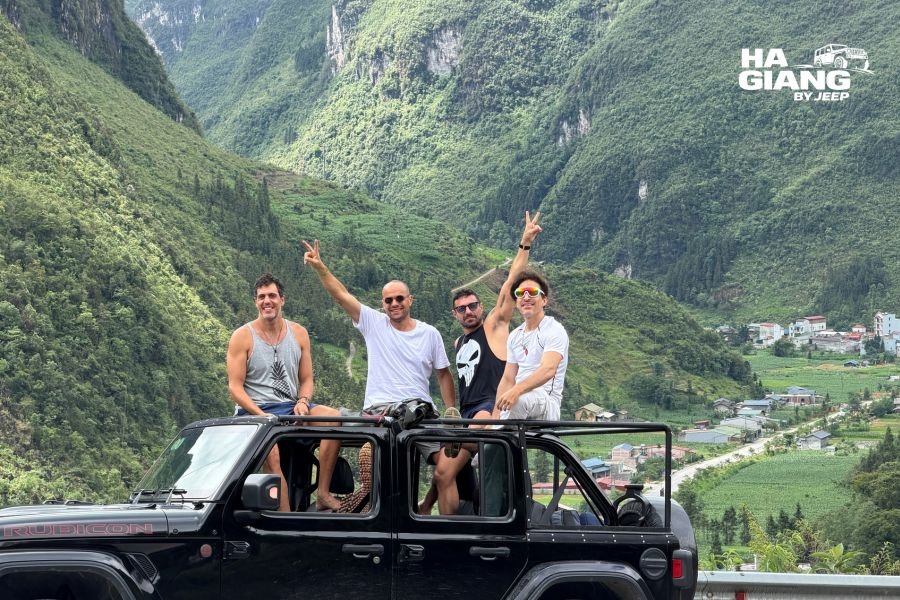
A capable 4x4 with proper clearance handles the rough detours, the wet churned up sections and the occasional broken surface without drama. A soft top and heating mean weather changes your comfort not at all. And a local driver at the wheel means the person making every judgement call, when to slow, when to wait, which line to take through a rutted bend, grew up on exactly these roads.
That last point is the one that matters most. You can put anyone in a good vehicle, but experience of these specific passes in these specific conditions is not something you can buy off the shelf or download. It is why our drivers, born in these mountains, are the real product, and the jeep is just the tool they use.
For a traveller, the effect is simple: the roads stop being something to worry about and become something to enjoy from the best seat, with your hands free for a camera and your attention on the view instead of the next blind corner.
Self Driving vs Being Driven: An Honest Look
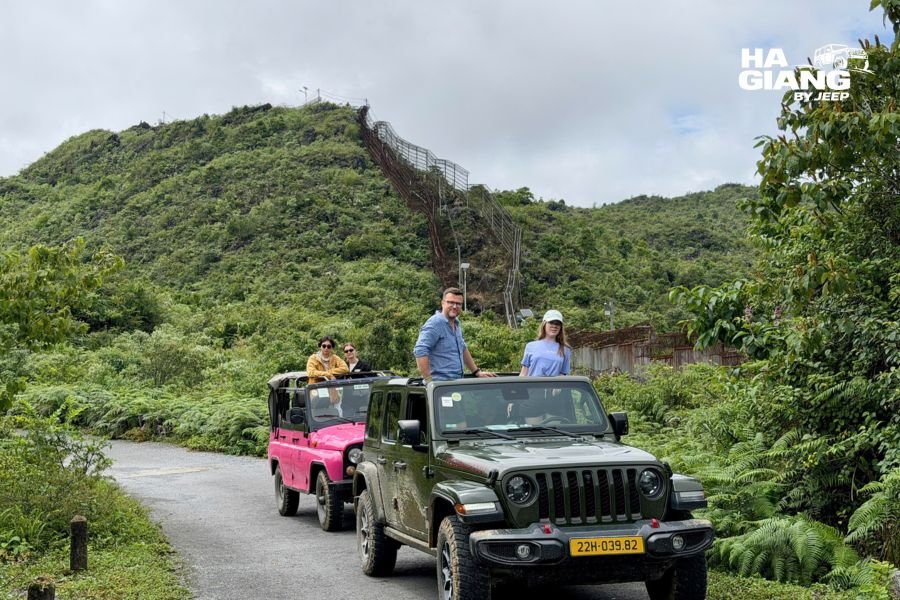
Some travellers want to drive themselves, and for the right person that is a wonderful way to experience these roads. We offer a Jeep Wrangler Rubicon rental for exactly that, self drive and by the day.
Being honest about who it suits:
- Self driving works if you are a confident, experienced driver, comfortable on narrow mountain roads, happy to read changing conditions yourself, and travelling in a season and a window where the roads are predictable. The freedom is real and the payoff is big.
- Being driven works better if you are a first time visitor to these mountains, travelling with family or older companions, coming in a more variable season, or you simply want to look at the scenery instead of the road. It also means you can accept a glass of corn wine at dinner without a second thought, because getting back is not your job.
There is no wrong answer, only the right fit for you. If you are not sure which camp you are in, tell us your experience and your dates and we will give you a straight recommendation, even when that means pointing you to the self drive option rather than a guided tour.
What This Means for Planning Your Trip
Road conditions should shape two decisions more than any others: how many days you give yourself, and which season you come in.
How Many Days
The more variable the conditions, the more days you want, because days are your buffer against weather and closures. In the dry season you can run a tighter trip. In the rainy season, build in slack. We break the whole length question down in our guide to how many days for the Ha Giang Loop, and you can see the whole route in our Ha Giang Loop map.
Which Season
If predictable, easy driving is your priority, aim for the dry months. If you want the dramatic green and can roll with the conditions, the wet season rewards you, as long as you come with the right plan. Every traveller weighs this differently, and there is no single best answer, only the one that fits what you care about.
The reassuring thing is that with a private trip, the season changes the experience but not the safety, because the plan and the driving adapt to whatever the roads are doing.
Which Jeep Tour Is Right for You?
Every jeep we run is private, and every one comes with a driver who knows these roads in every condition. What changes is how much ground you cover and how much buffer you have against the weather.
| Your situation | The trip that fits | Why |
|---|---|---|
| Short on time, want the core loop | Ha Giang Loop, 3 days | Covers the best maintained main circuit efficiently. Less buffer, so best in the drier months. |
| Want the loop with room to adapt | Ha Giang Loop, 4 days | The extra day absorbs weather, roadworks and the rougher detours without stress. |
| Want the loop plus Ban Gioc | Ha Giang and Cao Bang, 5 days | Adds the Cao Bang road network and its standout passes, ending at the waterfall. |
| Want it all, with the most flexibility | Ha Giang and Cao Bang, 6 days | The most slack in the schedule to handle whatever the roads do. |
| Confident on mountain roads yourself | Jeep Wrangler Rubicon rental | Self drive, by the day. We will give you the honest current road picture before you set off. |
Our steer on roads specifically: match your days to your season. Dry months, a tighter trip is fine. Wetter months, give yourself the extra day, because that day is what turns a road problem into a shrug rather than a ruined plan.
Mistakes People Make About Ha Giang Roads
- Believing the scare stories. The roads are better than the internet's worst horror posts suggest, especially on the main loop.
- Believing they are effortless. They are real mountain roads with real drops and real weather. They deserve respect, just not fear.
- Trusting exact driving times between stops. Nobody can honestly give you those. Weather, roadworks and life on the road change everything, and any precise figure is a guess.
- Booking a tight trip in the wet season. This is the classic error. Variable conditions plus no spare days equals stress. Add a day.
- Judging the plateau by the city forecast. The high passes are colder, wetter and foggier than Ha Giang City. Plan for the mountains, not the valley.
- Assuming all the roads are the same. The main loop, the passes, the rough detours and the Cao Bang roads are all different. A capable vehicle handles the whole spread.
- Underestimating the value of a local driver. Knowing these specific roads in these specific conditions is the thing that actually keeps a trip smooth and safe.
Ha Giang Road Conditions: FAQ
Broadly yes, with the right vehicle, an experienced driver and respect for the weather. The main loop is largely well surfaced, and the risks that do exist come from conditions like rain and fog rather than the roads themselves. A private jeep with a local driver removes most of the worry.
Mixed and scenic. The main circuit is mostly decent asphalt with barriers on many exposed sections, the high passes are narrow and dramatic, and the quieter detours can be rough and unpaved. It is proper mountain driving, not a highway.
The drier months, roughly autumn into winter, are the most predictable, with dry surfaces and low landslide risk. The wet season is the most variable and rewards a flexible plan and local knowledge.
They demand more care. Heavy rain can cause landslides, mudflows and temporary closures, and conditions can change within a day. It is very manageable with an experienced driver and extra days in your plan, which is why a rigid schedule is a mistake in the wet months.
Snow is rare. In extreme winter cold snaps, ice can form on the highest sections, though not every year. It is a real reason to travel with a driver who checks the passes each morning rather than driving yourself in deep cold.
There is no honest single answer, because weather, roadworks, livestock and how often you stop all change it, and we do not publish exact driving times because they would mislead you. We plan realistic days with slack and adjust in real time. Tell us your dates and we will talk you through a sensible pace.
For self driving, yes. These are narrow mountain roads with real drops and changing conditions, best suited to confident, experienced drivers in a predictable season. If that is not you, being driven is the safer and more relaxing choice.
Yes, as passengers in a private jeep. The vehicle handles the rough sections, the driver handles the conditions, and you get proper seats, your luggage with you, and stops whenever you want. This is what "adventure without exhaustion" means in practice.
A private trip reroutes, reorders the days, or waits it out, and a local driver knows which alternative roads actually work. Extra days in your itinerary make this a minor adjustment rather than a crisis.
The main towns have fuel and basic services, and the main loop is well travelled. Remote detours have less, which is another reason local knowledge and a well prepared vehicle matter. We handle all of that on a tour.
Some areas near the border require paperwork, and requirements can change. We arrange permits for our guests as part of the trip. If you are self driving, ask us what is currently required before you set off.
Possibly, in the sense that you may hit a works section or a short hold up, since the roads are constantly being improved. It is normal and a flexible plan absorbs it easily. It is another reason exact timings are impossible to promise.
Secure Your Spot
The roads of Ha Giang are not something to fear. They are something to enjoy, from the right seat, with the right person driving, at a pace that lets you actually see the place. Understand the seasons, give yourself enough days, and let someone who grew up on these passes handle the conditions.
Everything is private. Your driver was born in these mountains and reads these roads for a living. The soft top goes up and the heating comes on when the weather turns, your luggage travels with you, and the plan flexes the moment the roads ask it to. All you have to do is look out of the window.
Ha Giang road conditions sorted: let's get your dates held
Secure Your Spot with a 20 percent deposit. We use it to pre pay your homestays, your driver and your border permits, so everything on your route is genuinely held. The remaining 80 percent is cash on arrival, with nothing hidden behind it.
Questions about the roads for your dates? Tell us when you are coming and we will give you the honest current picture, and if we think another month would suit you better, we will say so.
Secure your spot WhatsApp us Contact pageWhatsApp: +84 862 379 288 or +84 938 988 593
Email: booking@hagiangbyjeep.com