
Ha Giang Loop · Jeep Guide
Ha Giang Loop 4 Day Itinerary: Day by Day by Jeep
Four days on the Ha Giang Loop is the version most people wish they had booked. You still get the famous passes and the postcard viewpoints, but you also get slow mornings, quiet villages, and the time to actually enjoy them.
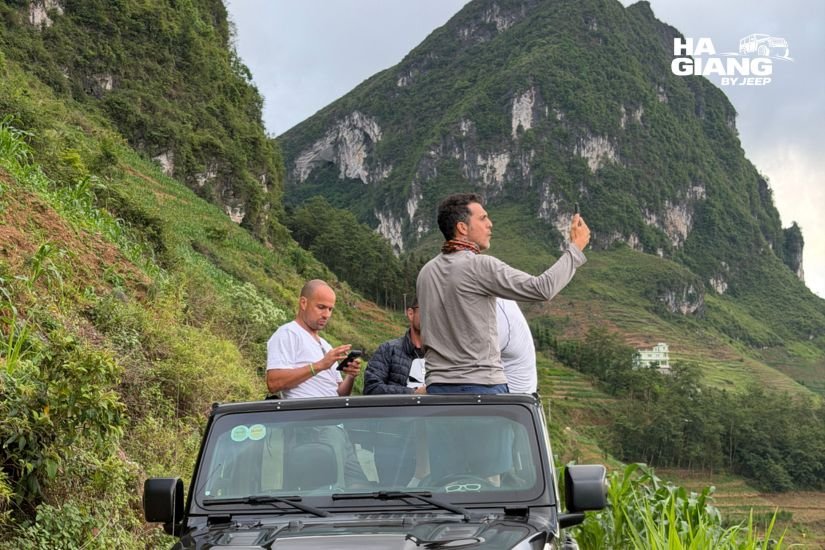 Image 01Open-air jeep at a Ma Pi Leng viewpoint
The Ha Giang Loop is the most dramatic drive in northern Vietnam. It climbs through limestone mountains, hangs over a river canyon, and threads past villages where daily life looks much as it has for generations. Most first timers try to fold all of that into three days. It works, but it moves quickly, and the best moments tend to be the ones you did not schedule.
This Ha Giang Loop 4 day itinerary gives the route room to breathe. You still reach the headline sights, Quan Ba, Dong Van, Ma Pi Leng, but you also get to the places three day trips usually skip: the sleepy old town of Pho Bang, the flag tower at Lung Cu, the waterfalls near Du Gia. Doing it in a jeep means you watch all of it from a comfortable seat with a 360 degree view, a soft top for cold or rain, and a local driver who grew up on these roads.
The whole route sits inside the Dong Van Karst Plateau, a UNESCO Global Geopark recognised for limestone that dates back hundreds of millions of years and for the seventeen ethnic communities who live among it. Here is the plan, day by day, plus what to pack, what to eat, and how to pick the right trip for your group.
Why four days is the sweet spot for the Ha Giang Loop
Three days is the classic loop, and it is a great trip if your schedule is tight. You cover the core route, sleep two nights on the mountain, and get back to Ha Giang City with the big memories intact. The trade off is pace. On a 3 day plan you are often back in the jeep before you have finished your coffee, and viewpoints become quick stops rather than places you sit and take in.
A four day plan changes the feel completely. You add a night, so the driving each day gets shorter and the mornings get gentler. You get time for the corners of the region that reward slowing down: a linen village, a valley of stone houses, a swim under a waterfall on the way home. For couples, families, older travelers, and anyone who simply does not want to be rushed, that extra day is the difference between ticking off a route and actually relaxing into it.
It is also the version that suits a jeep best. With a private 4x4 you are never trying to beat the light or worry about a long ride at the end of a tiring day. You stop when a view or a market or a roadside noodle stall says stop, and the driver handles the rest.
If you already know four days is your pace, our full 4 day Ha Giang Loop jeep tour follows almost exactly the route below. If you are short on time, the shorter 3 day loop and our 3 day itinerary guide cover the condensed version.
Not sure three or four days is right?
Send us your dates and your group and we will match the route to your pace. No pressure, just honest advice.
Ha Giang Loop 4 day itinerary at a glance
Here is the whole route in one look. Days can flex a little around markets, weather, and how much your group likes to linger, and a good driver adjusts on the fly.
| Day | Route | Highlights | Overnight |
|---|---|---|---|
| Day 1 | Ha Giang City to Yen Minh | Quan Ba Heaven's Gate, Twin Mountains, Lung Tam Linen Village | Yen Minh |
| Day 2 | Yen Minh to Dong Van | Sung La Valley, Pho Bang, Lung Cu Flag Tower | Dong Van |
| Day 3 | Dong Van to Meo Vac | Dong Van Market, Ma Pi Leng Pass, Nho Que River | Meo Vac |
| Day 4 | Meo Vac to Ha Giang City | Du Gia, waterfall, the road home | Trip ends |
Day 1: Ha Giang City to Yen Minh
Morning: rolling out of Ha Giang City
Day one starts easy. Ha Giang City sits in a bowl of green hills where the Lo River runs through town, and for the first stretch the road follows the valley floor before it begins to climb. This is the moment the trip turns from an idea into a drive: the buildings thin out, the mountains close in, and the karst peaks that define the whole region start rising on either side.
Because you are in a jeep, there is no warm up needed and no gear to fuss with. You settle in, the roof is open if the weather is kind, and the first pass appears sooner than you expect.
Quan Ba Heaven's Gate and the Twin Mountains
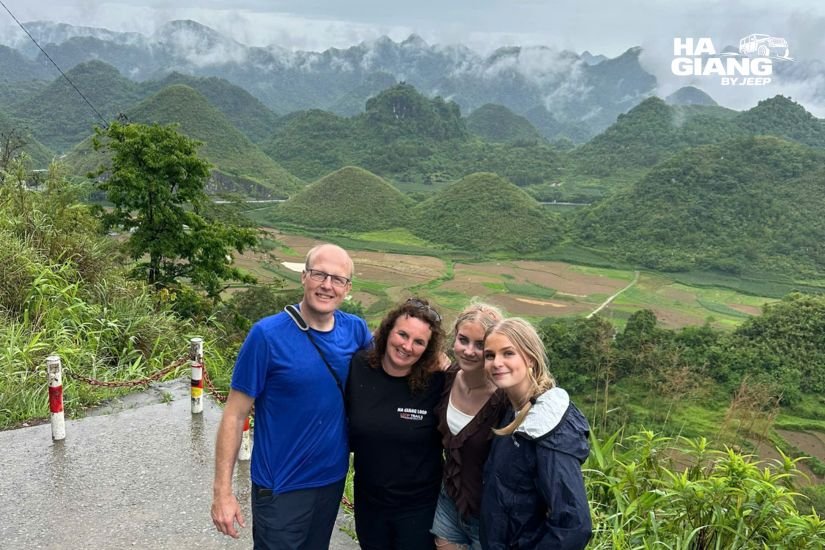 Image 02Quan Ba Twin Mountains from Heaven's Gate
The first real stop is Quan Ba. The road switchbacks up to a saddle known as Heaven's Gate, and from the viewpoint the valley opens beneath you in a way that makes almost everyone reach for a camera. Below sit the Twin Mountains, two smooth green hills that locals call the Fairy Bosom, rising out of the patchwork of rice fields around Tam Son town.
This is also, in a sense, the front door to the geopark. Quan Ba is the southern gateway into the Dong Van Karst Plateau, and from here the landscape only gets bigger.
Lung Tam Linen Village
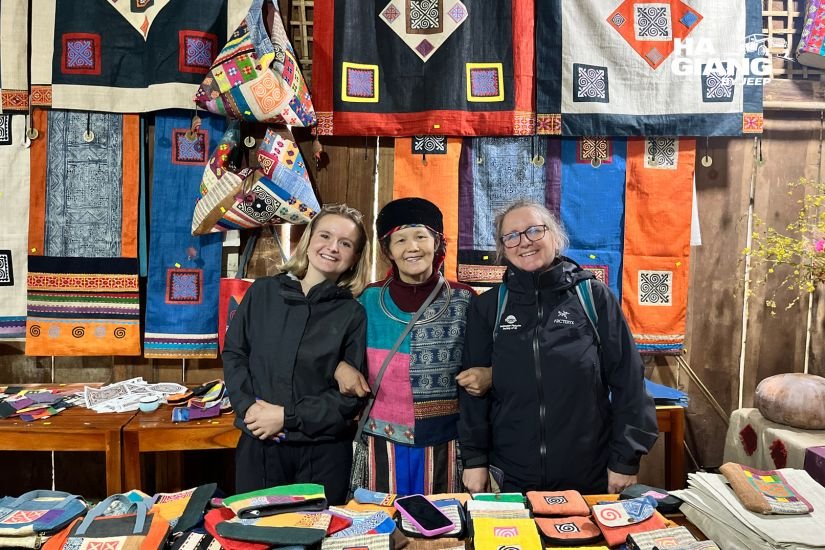 Image 03Weaving indigo linen at Lung Tam
A short detour brings you to Lung Tam, a Hmong village known for its hemp linen. If the timing is right you can watch the whole process: stripping the hemp, spinning it, weaving it on wooden looms, and dyeing it with indigo until it turns that deep blue you see on traditional clothing across these mountains. It is a genuine working cooperative rather than a staged show, and it is one of those stops that a rushed loop tends to leave out.
Evening in Yen Minh
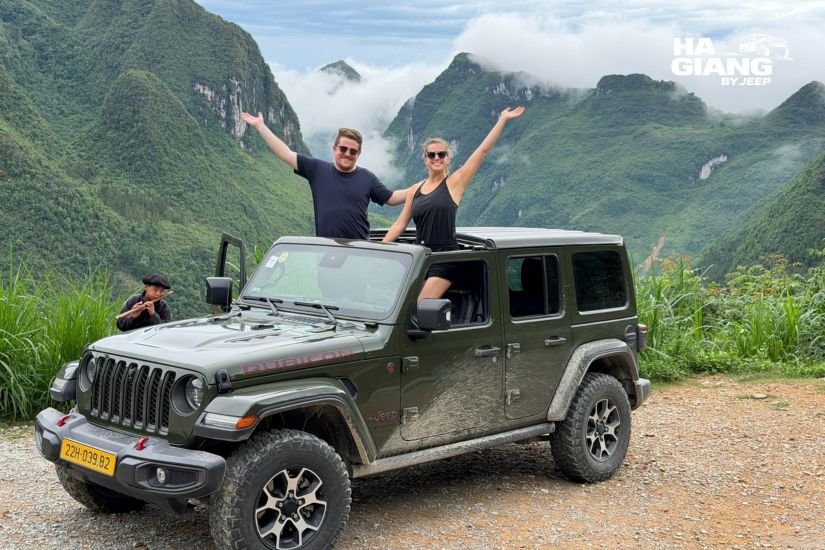 Image 04Jeep on the pine forest road to Yen Minh
The road on to Yen Minh runs through pine forest, which feels almost alpine after the open karst earlier in the day. Yen Minh is a quiet town, and the first night on the loop is a good one to eat well, get an early night, and let the altitude settle in. Depending on the season, evenings up here get cool, which is exactly when the jeep's soft top and heater earn their keep.
Day 2: Yen Minh to Dong Van
Sung La, the valley of flowers
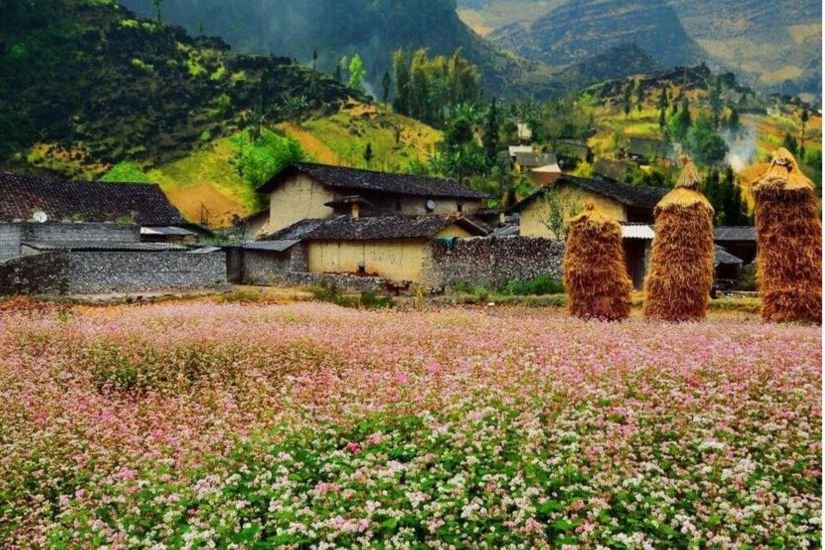 Image 05Stone house in Sung La Valley
Day two is the cultural heart of the loop. Not long after Yen Minh you reach Sung La, a bowl of a valley scattered with old stone houses and, in season, flower gardens. One of those houses became famous as a film location and now welcomes visitors, but the valley itself is the star: dry stone walls, tiled roofs, and fields wedged between limestone outcrops.
Pho Bang, the town that time forgot
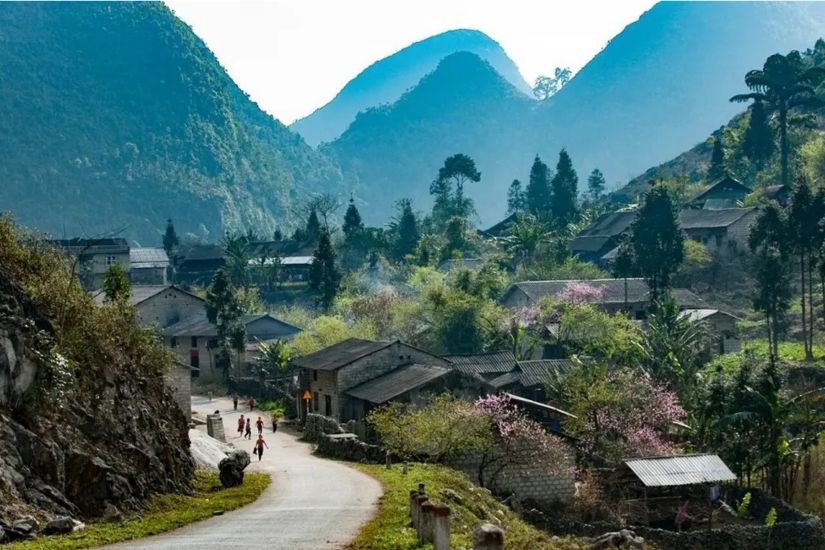 Image 06Adobe walls in Pho Bang
A spur road leads to Pho Bang, and it is worth the small backtrack. This is an old trading town of weathered adobe walls and faded shutters, tucked into a fold of the mountains and largely bypassed by the main loop. Very few motorbike tours divert here, which is part of the appeal. On a slower four day plan you have the time, and Pho Bang rewards it with a stillness the busier stops have lost.
Lung Cu Flag Tower, the top of Vietnam
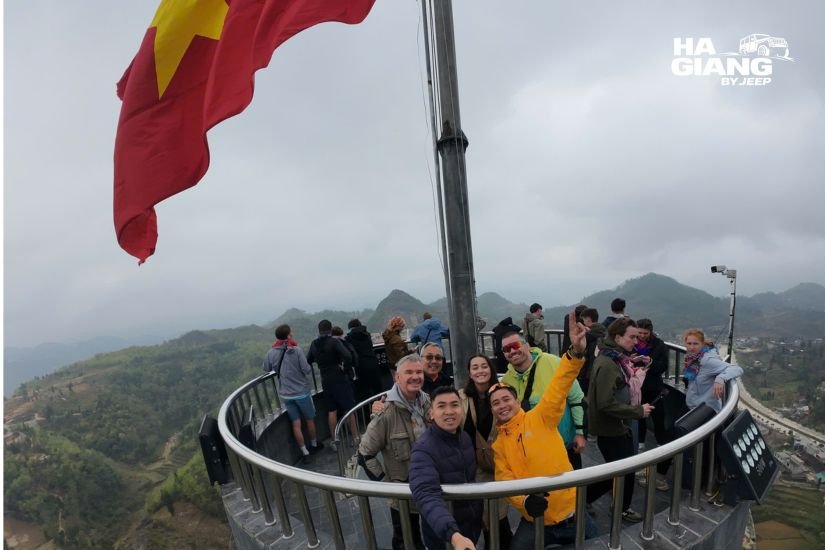 Image 07Lung Cu Flag Tower
From here you climb toward Lung Cu, where a tower on a hilltop marks the northernmost point of Vietnam. Climb the steps and the view runs out over rolling border country, with China on the far side of the ridges. It is a short, sharp effort with a genuine sense of standing at the very edge of the country, and it is another stop the classic 3 day route often trims to save time.
Dong Van Old Quarter after dark
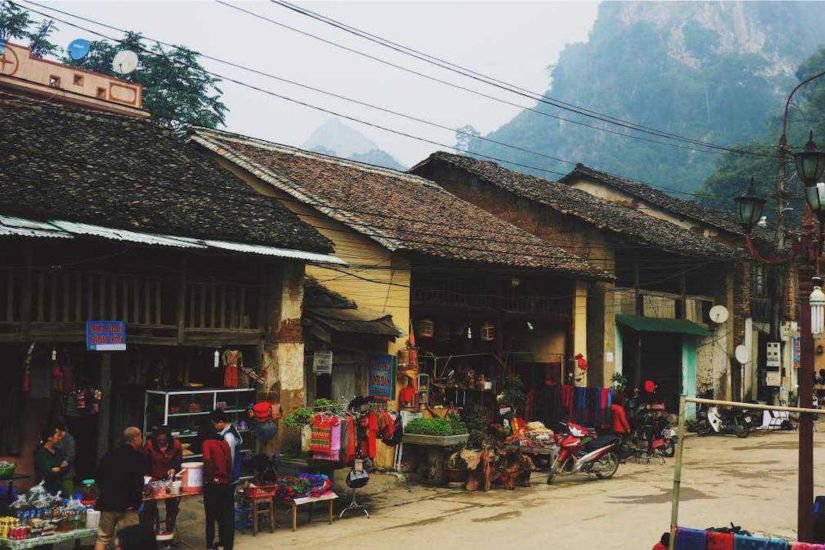 Image 08Dong Van Old Quarter at night
You finish the day in Dong Van, and this is where you want to arrive with energy left over. The Old Quarter is a small huddle of century old houses around a market square, and in the evening the cafes light up with lanterns and the place fills with a gentle buzz. Order a coffee or a bowl of something warm, wander the lanes, and enjoy being somewhere that feels a long way from anywhere.
Want a clearer picture of the rhythm of a day like this before you book? Our guide to what to expect on a Ha Giang jeep tour walks through it hour by hour, and there is an honest jeep tour review from real guests too.
Day 3: Dong Van to Meo Vac over Ma Pi Leng
Dong Van Sunday Market, if the timing lines up
If your day three lands on a Sunday, you are in luck. The Dong Van Sunday Market pulls in people from villages across the plateau, dressed in their best, trading everything from livestock to textiles to bowls of noodles eaten standing up. It is loud, colourful, and completely unstaged. Market days can shift, so treat this as a happy bonus rather than a fixed plan, and check the latest local schedule.
Ma Pi Leng Pass
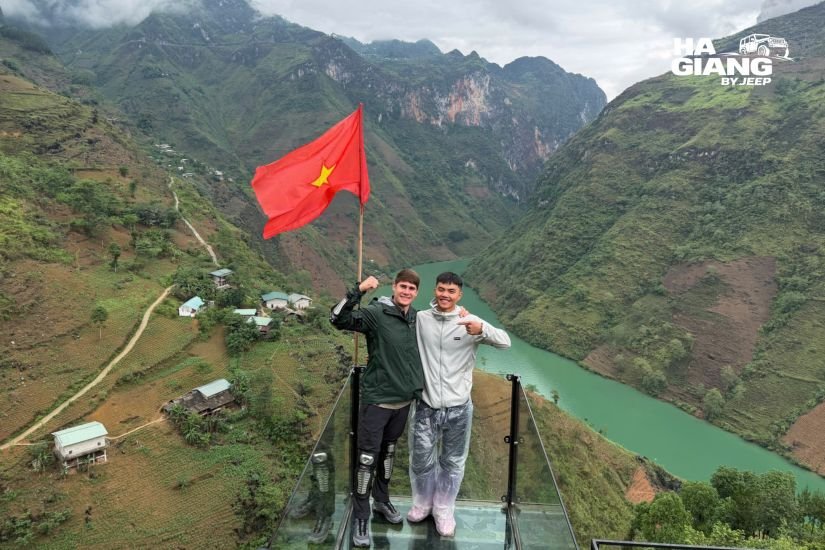 Image 09The Ma Pi Leng Pass road
Then comes the drive everyone remembers. The road from Dong Van to Meo Vac crosses the Ma Pi Leng Pass, a stretch cut into the cliffs high above the Nho Que River. It regularly turns up on lists of the great drives in the world, and it earns the reputation. On one side the rock wall rises sheer above the road, on the other the land simply drops away into one of the deepest canyons in Southeast Asia.
You are not gripping handlebars on an exposed road. You are sitting still, roof open, free to look straight down into the gorge while the driver takes the corners.
There are pull offs along the pass where you can stop, breathe, and take it in properly. This is the moment the jeep really pays off.
Down to the Nho Que River
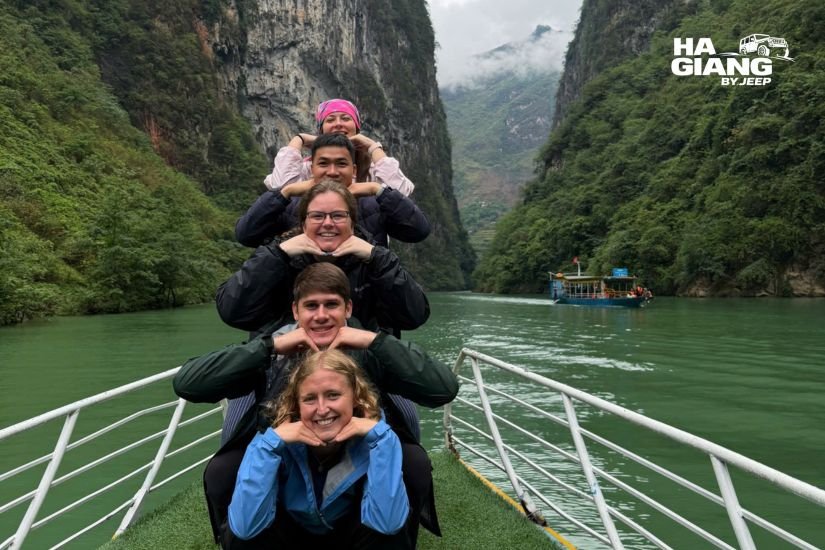 Image 10Turquoise Nho Que River in the gorge
Far below the pass, the Nho Que River glows an improbable turquoise as it runs through the Tu San canyon. A side road drops down toward the water, where small boats run trips through the narrowest, most cathedral like part of the gorge. Boat operations depend on water levels and the season, so it is worth confirming on the day, but when they are running it is a memorable way to see the canyon from the bottom up.
Meo Vac and Khau Vai
You end the day in Meo Vac, a market town ringed by stone mountains. Nearby is Khau Vai, home to the famous Love Market, a once a year gathering steeped in local legend. Most days it is simply a quiet corner of the highlands, but the story is part of what gives this whole area its character.
Day 4: Meo Vac to Du Gia to Ha Giang City
The back road to Du Gia
The final day is where four days really separates itself from three. Instead of retracing the main highway straight back, you take the quieter mountain road toward Du Gia. This stretch is all terraced hillsides, small hamlets, and river valleys, with far less traffic and a much more local feel. It is one of the prettiest and most relaxed drives of the whole trip.
Du Gia waterfall
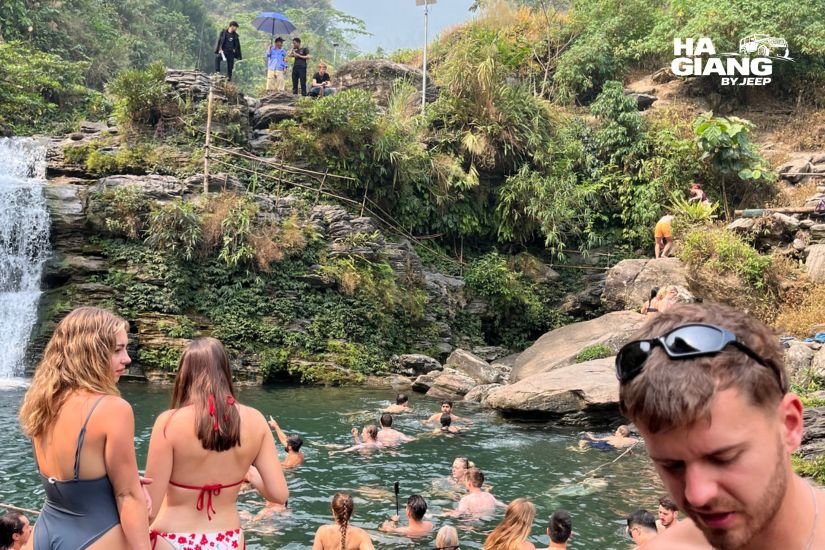 Image 11Du Gia waterfall pool
Du Gia is a village built for slowing down, and its waterfall is the reward at the end of the loop. The water collects in a clear pool that is perfect for a cold, bracing swim after four days on the road. Pack a swimsuit and a towel within easy reach, because after the dust of the mountains this is exactly the reset you want.
The road home
From Du Gia the road winds back down toward Ha Giang City, and the mountains gradually release you into the valley where the trip began. It is a fitting way to close the loop: not a rush to the finish, but a long, easy descent with the best of the highlands behind you.
What a day on a Ha Giang jeep tour actually feels like
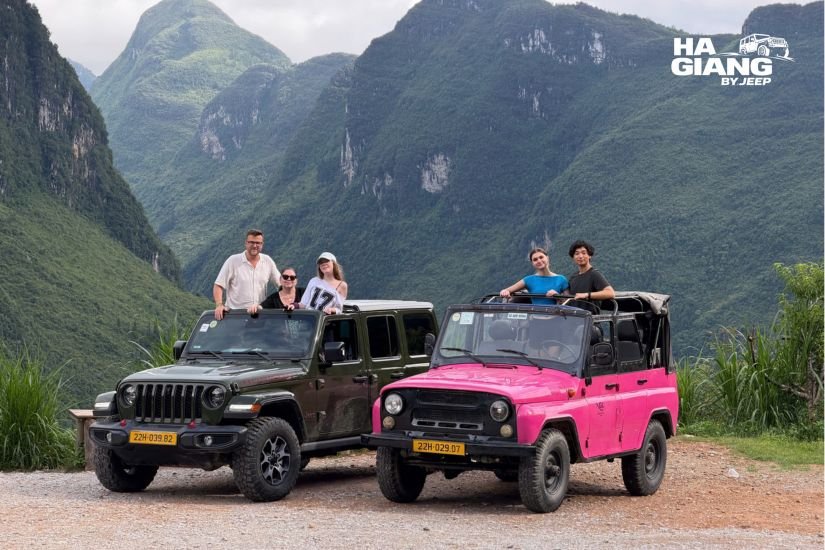 Image 13Guests with their local driver and jeep
If you have never done a trip like this, here is the honest shape of a typical day. You start after a proper breakfast, not before dawn. Driving happens in comfortable stretches, broken up by stops for viewpoints, villages, coffee, and lunch, so you are rarely in the seat for long without a reason to get out. Your driver, who was born in these mountains and speaks English, doubles as a guide, a photographer, and the person who knows which roadside stall does the best noodles.
The jeep is open air by design, so on a clear day you ride with the roof off and nothing between you and the view. When the weather turns cold or wet, the soft top goes up and the heater comes on, and you carry on in comfort. There is space for bags, room to stretch, and no helmet, no aching wrists, and no anxious moments on a slick corner. That is what people mean when they call it adventure without exhaustion.
You do not miss anything by choosing a jeep over a motorbike. Same passes, same villages, same viewpoints, same stops. The only real difference is how you feel at the end of the day.
Food you should not skip on the loop
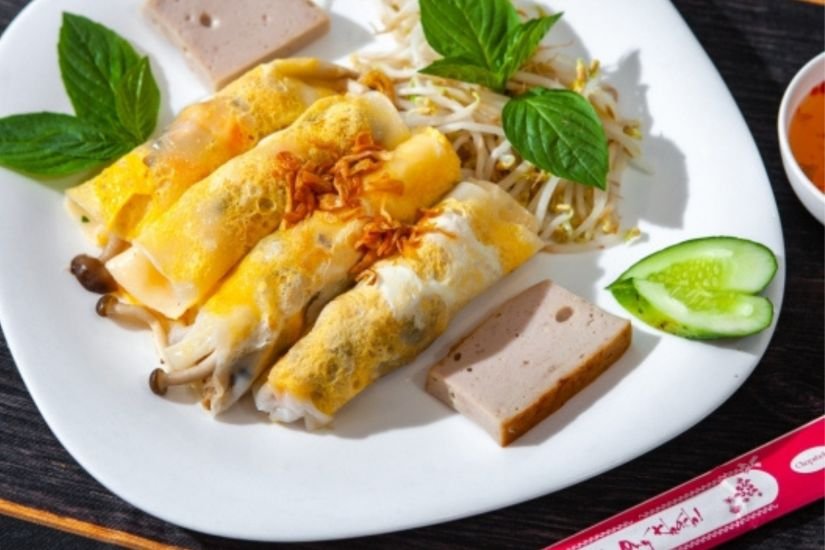 Image 12Banh cuon trung with broth
Half the fun of the loop is eating your way around it, and the food up here is its own little world. A few things to look out for:
- Banh cuon trung: silky steamed rice rolls filled with egg, served with a bowl of warm bone broth rather than the usual fish sauce. A classic Ha Giang breakfast.
- Thang den: soft glutinous rice balls in a sweet ginger syrup, perfect on a cold evening.
- Com lam: sticky rice cooked inside a bamboo tube over a fire, smoky and good with grilled meat.
- Chao au tau: a warming porridge made from a local tuber, slightly bitter, usually eaten at night.
- Ruou ngo: the local corn wine, poured freely at markets and homestays.
Here is a quiet advantage of doing all this by jeep. You can stop at any market stall, roadside grill, or village kitchen you pass, with nowhere to park a bike and no worry about getting back on the road after a glass of corn wine. Someone else is driving. That single fact turns the loop into a proper food trip rather than a series of careful, sober lunches.
What to pack for four days
You do not need much, but a few things make a real difference up here:
- Layers. Mornings and passes can be cold even when the valleys are warm, so bring a fleece and a light jacket on top of your normal clothes.
- A waterproof. Mountain weather changes fast. A packable rain layer is worth its weight.
- Cash. Card acceptance thins out quickly outside the towns. Bring enough Vietnamese dong for meals, drinks, and market finds.
- A small day bag. For your camera, water, sunscreen, and a swimsuit and towel for Du Gia.
- Any personal medication, plus the basics for a long drive if you are sensitive to winding roads.
- Comfortable shoes for the short walks at viewpoints, markets, and the Lung Cu steps.
Practical tips before you go
Getting to Ha Giang City. Most travelers start from Hanoi. The common options are an overnight sleeper bus, a daytime limousine van, or a private transfer. Times and operators change, so check current schedules close to your trip. We can help arrange the leg from Hanoi if you would like it handled.
Permits and the border area. Parts of the plateau sit close to the border and need a simple travel permit. On our tours we sort this out for you from our office in Ha Giang City, so it is not something you need to organise yourself. Rules in border regions can change, so it is always worth confirming current requirements before you travel.
When to go. Every season has its look. Late spring and summer bring green rice terraces and the occasional heavy shower. Autumn, roughly October into November, is buckwheat flower season, when the hillsides turn pinkish white. Deep winter can be cold and misty, with peach and plum blossom appearing toward the end of it. There is no bad time, only different weather, and a jeep with a soft top and heater keeps you comfortable through all of it. Conditions vary year to year, so check the latest forecasts as your dates approach.
Money and connectivity. Bring cash, expect patchy signal in the mountains, and treat the quiet stretches as a feature rather than a fault.
For a wider view of route options across different trip lengths, our Ha Giang itinerary guide lays them out side by side.
Which Ha Giang jeep tour is right for you
Not sure which version fits your group? Here is the short version.
- 3 days, 2 nights. The classic loop, condensed. Best if your schedule is tight but you still want the core passes and villages. See the 3 day Ha Giang Loop jeep tour.
- 4 days, 3 nights. The full loop at a relaxed pace, with Du Gia and the quieter corners added in. The route in this guide. See the 4 day Ha Giang Loop jeep tour.
- 5 to 6 days, Ha Giang plus Cao Bang. Everything above, then east to Cao Bang and the huge Ban Gioc waterfall on the Chinese border. See the 5 day Ha Giang and Cao Bang jeep tour or the slower 6 day version.
- Self drive. Confident behind the wheel and want the freedom to set your own pace? You can rent a Jeep Wrangler Rubicon and drive the loop yourself.
Every option is a private jeep with your own driver, so you never share with strangers, and every route can be tailored around your interests, from markets to food to photography.
Ready to book your Ha Giang Loop 4 day itinerary?
Once you have a confirmed travel date, it pays to book early. Most guests reserve one to three months ahead, and because jeep availability is limited, an early booking lets us line up the right driver, homestays, and border permits properly.
Tell us your dates and your group, and we will send back a clear plan and a straight answer on availability.
Frequently asked questions
How many days do you need for the Ha Giang Loop?
Three days is the usual minimum and covers the core route. Four days is the comfortable version, adding an extra night so the driving is shorter and you reach quieter spots like Pho Bang and Du Gia. If you can spare the time, four days is the one most people enjoy more.
Is a 4 day loop really worth it over 3 days?
For most travelers, yes. The extra day is not about seeing more sights for the sake of it, it is about not rushing the ones you do see and adding places a fast loop skips. If comfort and a relaxed pace matter to you, four days is worth it.
Is the Ha Giang Loop suitable if I don't ride a motorbike?
Completely. That is exactly who a jeep tour is for. You get the same passes, villages, and viewpoints from a comfortable seat with a local driver, so no riding experience is needed at all.
Do I need a licence or permit to do the loop by jeep?
On a guided tour, no. Your driver handles the driving, and we arrange the border area travel permit for you. If you self drive a rental you will need the correct licence and paperwork, and rules can change, so check current requirements before you go.
Is the loop safe for kids and older travelers?
It is a popular choice for both. A private jeep with a soft top, seatbelts, and a careful local driver is a big part of why families and older guests choose this over a motorbike. Let us know your group and we will plan the pace to suit.
When is the best time of year to drive the loop?
There is no single best month. Autumn brings buckwheat flowers, summer brings green terraces, and winter brings mist and blossom. Each has its own beauty, and the jeep keeps you comfortable in any of them. Check the forecast close to your dates.
Can we stop for food and markets along the way?
Yes, and it is one of the joys of a private jeep. You can pull over at any market or roadside stall, and because you are not driving, no one has to skip the corn wine at lunch.
Where do we sleep on a 4 day loop?
Nights are usually spent in Yen Minh, Dong Van, and Meo Vac, in a mix of comfortable homestays and small hotels depending on availability and your preference. We confirm the specifics when you book.
How do we get from Hanoi to Ha Giang City?
Most people take an overnight sleeper bus, a daytime limousine van, or a private transfer. We can help arrange this leg so the whole trip is joined up. Schedules change, so we confirm current options when you book.
Do we miss anything by being in a jeep instead of a motorbike?
No. Same route, same stops, same experiences. The only difference is that you finish each day rested rather than worn out.
Can the itinerary be customised?
Yes. Every tour is private, so the route, pace, and stops can flex around what you care about, and the driver adapts to weather and market days as you go.